
US Military Testosterone Screening Changes Spark Major Readiness Debate
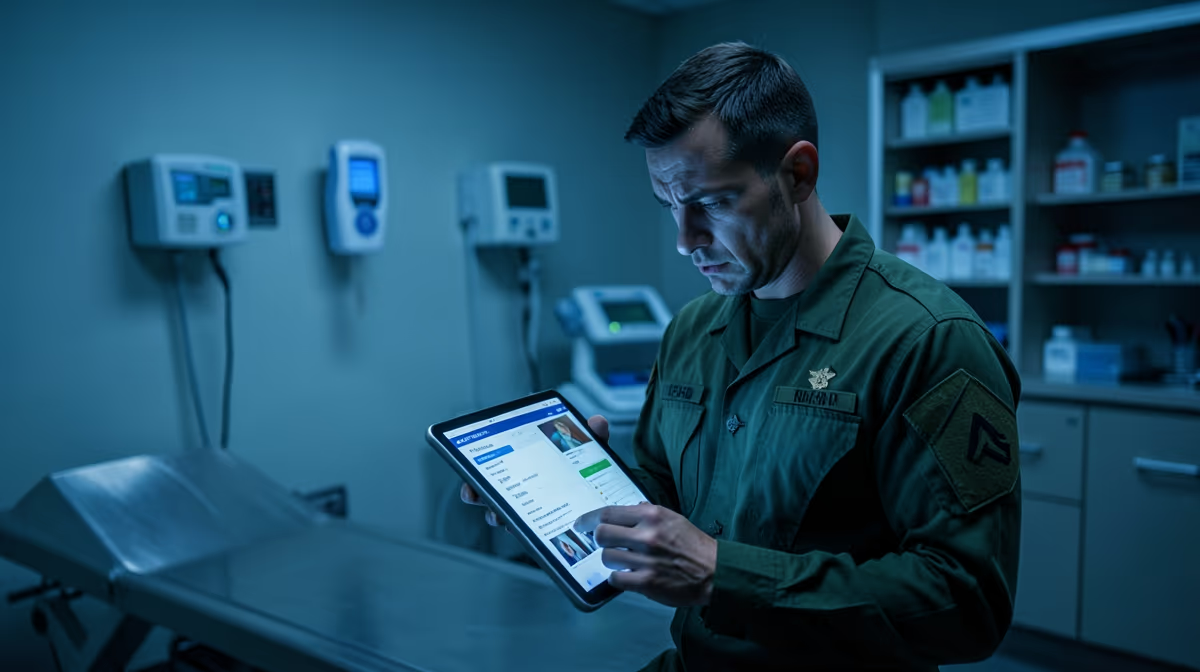
The U.S. Department of Defense is currently navigating a quiet transformation in its medical evaluation protocols as it addresses a decline in physical readiness among recruits. As the US military recruitment crisis continues to dominate defense headlines, questions regarding us military testosterone screening and existing medical standards have come under intense scrutiny from both policymakers and internal health experts.
The Evolving Medical Landscape
Military medical commands have begun analyzing the prevalence of hypogonadism and age-related hormonal decline within the ranks. While mandatory universal screening has not been enacted, military physicians have been granted increased flexibility to order hormone panels for troops exhibiting symptoms of fatigue, muscle atrophy, or cognitive impairment that could affect mission readiness. This shift acknowledges a reality where modern health data suggests potential declines in fitness and metabolic wellness across active-duty personnel.
By identifying hormonal imbalances early, the military aims to extend the operational lifespan of special operations forces and career infantry. The current initiative reflects a broader national trend where civilian medical organizations have noted a significant uptick in hormone-related consultations among adult males. Pentagon health officials emphasize that these screenings are currently being treated as diagnostic clinical tools rather than a standardized administrative requirement for all recruits or active-duty service members.
The Logic of Human Performance Optimization
At the core of this policy evolution is the move toward Human Performance Optimization. The goal is to balance individual medical care with the physical demands required for combat and operational roles. Defense analysts suggest this focus aligns with a wider strategic effort to improve long-term lethality and physical resilience. By establishing transparent rules, the military hopes to eliminate ambiguity in medical evaluations, ensuring that every soldier, sailor, airman, and marine can serve effectively while receiving appropriate healthcare support.
This development addresses a root cause identified by internal analysts: the decline in baseline physiological resilience linked to environmental factors and sedentary lifestyle shifts. To maintain global dominance, the military must ensure that its force meets standardized hormonal health baselines. However, this shift has also sparked internal debate regarding medical privacy and the potential for increased reliance on pharmaceutical interventions, creating a complex balancing act between inclusivity and the harsh requirements of combat readiness.
Strategic and Economic Implications
The geopolitical dimension of this shift is clear, as the maintenance of a competitive edge in frontline infantry is increasingly compared to peer-competitors like China and Russia. These nations prioritize state-sponsored biological optimization for their military personnel, forcing the United States to evaluate its own readiness posture. Beyond the battlefield, the economic angle is significant; there are growing concerns regarding escalating healthcare expenditures for the Veterans Affairs system and long-term disability claims related to hormonal imbalances, bone density loss, and metabolic syndrome among aging active-duty personnel.
There is also a hidden variable in this equation: the silent impact of endocrine-disrupting chemicals found in military housing infrastructure and plastic-bottled water supplies. These factors are believed to have a long-term impact on the cognitive and physical performance of the force, mirroring the historical parallel of the 1940s, when screening protocols during World War II identified widespread malnutrition and forced the implementation of national health initiatives to ensure a future recruit pipeline.
Navigating Institutional Risks
The Department of Defense faces a delicate path forward. In the next 24 hours, the Pentagon is expected to issue a clarification statement to quell social media speculation regarding mass hormonal testing mandates. Within the next 72 hours, members of the House Armed Services Committee are expected to request a formal briefing from the Department of Defense regarding personnel health screening protocols to ensure transparency.
Expert predictions suggest the DOD will likely maintain current standard physical examination protocols rather than implementing universal hormonal screening, citing cost-inefficiency and medical privacy concerns. The best-case scenario involves the DOD providing transparency that modernizes health screenings while safeguarding individual medical privacy and improving overall force wellness. Conversely, the worst-case scenario involves significant institutional distrust and internal morale decline resulting from perceived invasive medical overreach, which could exacerbate current recruitment and retention difficulties.
Key Facts and Policy Context
The Department of Defense has confirmed that it has not issued a mandate for universal testosterone testing. Military medical providers currently have the discretion to order hormone panels based on clinical symptoms rather than administrative routine. These health screenings are intended to prevent potential side effects of hormone treatments and ensure that personnel meet the physical standards necessary for their specific roles.
These updates apply to all service branches under the Department of Defense. The policy shift is particularly significant for active-duty service members undergoing hormone replacement therapy or those requiring medical monitoring for hormonal imbalances. By refining medical guidelines for hormone usage, the military aims to standardize physiological monitoring while maintaining the integrity of military fitness protocols across all branches.
Frequently Asked Questions
Does the US military screen for testosterone levels during basic training?
The US military does not conduct routine testosterone testing for all recruits during basic training. Screening is generally only performed if there is a specific medical indication or suspicion of an underlying endocrine disorder that would impact a service member's ability to perform their duties.
Can you join the military if you are on testosterone replacement therapy?
Taking testosterone replacement therapy (TRT) generally disqualifies an individual from initial military service. Applicants must typically be off hormone replacement therapy for a specified period and meet physical standards before they can be considered for a medical waiver.
Is testosterone considered a banned substance in the military?
Testosterone is classified as an anabolic steroid and is strictly regulated under military policy. Unauthorized use of testosterone for performance enhancement is prohibited and can lead to disciplinary action, including discharge from service.
Do military medical exams check for hormone imbalances?
Standard military medical exams, such as those conducted at MEPS, focus on overall physical fitness and identifying pre-existing conditions that might hinder service. Hormone levels are not part of the standard blood panel unless a physician orders them to investigate a specific medical concern.
What happens if a service member is prescribed testosterone by a military doctor?
If a military physician determines that a service member has a legitimate medical condition requiring testosterone, it may be prescribed. However, the service member must follow strict medical monitoring protocols and may be subject to limited duty status depending on the diagnosis and treatment plan.
Are random drug tests in the military designed to detect testosterone?
Routine military drug testing primarily screens for illicit substances, such as narcotics and performance-enhancing drugs. While specialized testing can detect exogenous testosterone, it is not part of the standard urinalysis protocol for every service member.
Conclusion
The U.S. military is currently in the process of refining its medical guidelines to better manage the physical and hormonal health of its personnel. While the Pentagon continues to move toward a more diagnostic approach to hormone health, there is no move toward universal, mandatory testing. The focus remains on Human Performance Optimization and ensuring that service members can meet the physical rigors of their duties while receiving necessary clinical care. Moving forward, the Department of Defense is expected to prioritize transparency and medical privacy, aiming to balance the requirements of force readiness with the individual needs of those in uniform. The ongoing dialogue between military leadership and congressional oversight will likely define the parameters of these medical protocols in the coming months.


.webp)


.webp)
