
Vladimir Putin Shadow Tanker Drones Signal a Major Maritime Shift
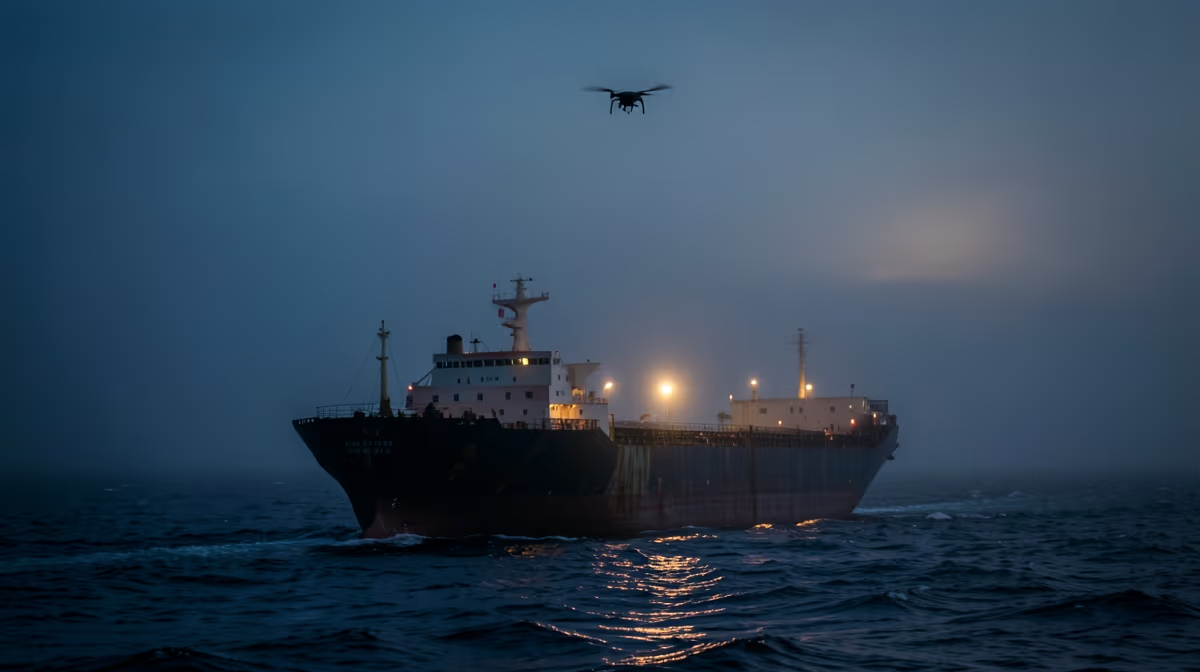
A clandestine network of aging vessels is increasingly utilizing sophisticated unmanned technology to navigate maritime corridors, challenging international oil sanctions amid the ongoing Ukraine war. As global intelligence agencies ramp up scrutiny, the emergence of Vladimir Putin shadow tanker drones has transformed the cat-and-mouse game of maritime enforcement into a high-stakes technological standoff.
The Anatomy of the Shadow Fleet
Following the full-scale invasion of Ukraine in 2022, the United Kingdom and its G7 allies implemented strict price caps and sanctions on Russian energy exports. This pivot in global energy policy forced Russia to assemble a vast, covert network of older, dark tankers. These vessels often operate without standard international insurance or clear ownership records, making them difficult to regulate. A primary tactic employed by this shadow fleet is the frequent disabling of Automatic Identification System (AIS) transponders to conceal their movements and cargo origins as they traverse the North Sea and English Channel. By operating in these legal grey areas, the fleet undermines the economic measures designed to restrict the funding for the Russian war chest.
Autonomous Surveillance and Logistics
Intelligence reports suggest that the operational scope of these tankers is evolving through the integration of autonomous maritime systems and unmanned aerial vehicles. These drones serve as a force multiplier for the shadow fleet, primarily functioning in a reconnaissance capacity. By monitoring the proximity of coast guard vessels and naval patrols, operators can time their illegal ship-to-ship fuel transfers to minimize the risk of interception. While the specific technical capabilities of these systems remain under evaluation, experts suggest that they are designed to provide real-time updates on patrol locations, effectively helping the shadow fleet avoid the gaze of authorities while conducting transfers in international waters.
Geopolitical and Economic Implications
The shift toward drone-integrated logistics represents a direct challenge to maritime security paradigms. For the UK government and the G7 Price Cap Coalition, the existence of this fleet is not merely a violation of sanctions but a threat to regional stability. These tankers often lack proper maintenance and insurance, creating a significant environmental risk. A catastrophic spill in British waters would likely leave the UK government or local authorities to foot the cleanup bill, as there is no reputable insurer to hold accountable. Politically, the presence of these vessels forces a diplomatic crisis between the UK Maritime and Coastguard Agency and the flag states that facilitate these transfers, complicating broader efforts to maintain global energy market stability.
The Evolving Maritime Security Challenge
The challenge for naval intelligence is compounded by the nature of the vessels themselves. Because they operate outside of standard regulatory frameworks, their behavior is unpredictable. Analysts suggest that the imperative to bypass Western maritime insurance has driven a rapid maturation of these logistics, moving from simple AIS manipulation in 2022 to the current phase of testing semi-autonomous systems to reduce human risk and legal liability. For British coastal communities and environmental agencies, the concern is that this technological evolution allows illicit trade to thrive in areas previously considered secure, demanding new monitoring technologies to identify and intercept these high-risk vessels.
Predictive Security Outlook
Looking at the immediate horizon, naval intelligence assets are expected to increase satellite monitoring of transit routes across the Baltic and North Seas within the next 24 hours. The diplomatic effort is likely to intensify over the next 72 hours, with pressure mounting on flag states to enforce rigorous vessel inspections and tighten maritime insurance regulations. Expert consensus suggests that the UK will lead these efforts, which may result in localized naval standoffs or aggressive intercept maneuvers. While a best-case scenario involves international coordination to reduce uninsured tanker traffic and stabilize energy markets, there remains a worst-case risk of a major environmental incident that could trigger a direct escalation between the British Royal Navy and Russian-affiliated entities.
Frequently Asked Questions
What are shadow tanker drones used for by Russia?
Shadow tanker drones are primarily used by Russia to bypass international sanctions by facilitating ship-to-ship oil transfers at sea. These operations allow Russian crude oil to be rebranded or mixed to obscure its origin before reaching global markets.
How do shadow tankers help Vladimir Putin bypass sanctions?
Shadow tankers enable Russia to export oil using a ghost fleet of aging, uninsured vessels that operate outside of Western-regulated insurance and shipping networks. By transferring cargo away from prying eyes, these tankers prevent authorities from effectively enforcing price caps on Russian energy exports.
Are there drones specifically designed as tankers for Russia?
While the term shadow tanker refers to the fleet of maritime vessels, Russia has increasingly utilized unmanned aerial vehicles (UAVs) for reconnaissance to protect these shipping routes. There is no evidence of aerial drones functioning as fuel tankers for ships, but maritime drones are used in broader naval military operations.
What is the impact of Russia's shadow fleet on the global oil market?
The shadow fleet allows a significant volume of Russian oil to remain in circulation, preventing supply shocks that might otherwise occur due to Western sanctions. However, it raises major environmental concerns due to the poor maintenance of the vessels and their lack of proper maritime insurance.
How is the UK monitoring Russian shadow tanker activity?
The UK government, alongside international partners, monitors these tankers using satellite imagery and maritime tracking data to identify suspicious ship-to-ship transfers. Efforts are ongoing to restrict these vessels from accessing ports or utilizing Western maritime services like insurance and vessel classification.
Why is the shadow fleet considered a threat by Western nations?
Western nations view the shadow fleet as a threat because it undermines the efficacy of economic sanctions intended to restrict funding for Russia's military operations. Additionally, the risk of a massive oil spill caused by these unvetted and poorly maintained tankers poses a severe environmental danger to international waters.
Conclusion
The integration of unmanned technology into the Russian shadow tanker fleet signals a tactical shift in how sanctioned oil moves across the globe. As UK authorities continue to investigate the role of these autonomous systems in reconnaissance and logistics, the focus remains on preventing environmental disasters and maintaining the integrity of maritime sanctions. Future developments will likely center on enhanced satellite surveillance and increased diplomatic pressure on the flag states that enable these activities. The situation remains a fluid, high-stakes security challenge that requires a coordinated international response to mitigate both the economic evasion of sanctions and the looming threat of ecological damage to coastal waters.


.webp)

.webp)
