
Vladimir Putin Shadow Tanker Drones Signal a Major Maritime Shift
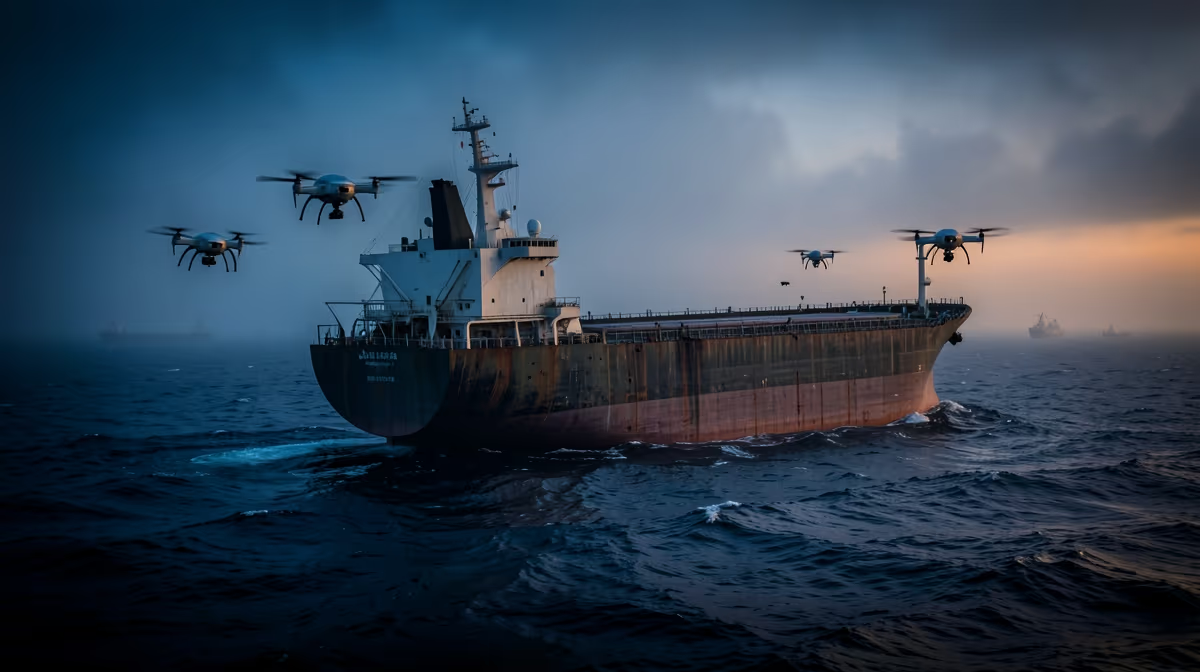
A fleet of converted, aging oil tankers is increasingly utilizing advanced surveillance technology and complex obfuscation tactics to bypass Western sanctions on Russian petroleum, fundamentally challenging the stability of global maritime security. The emergence of Vladimir Putin shadow tanker drones marks a significant escalation in maritime illicit trade, as Moscow seeks to circumvent tightening Western restrictions and sustain its war-funded state economy.
The Mechanics of the Shadow Fleet
Following the 2022 invasion of Ukraine, Western nations imposed strict price caps on Russian crude oil to limit the Kremlin’s ability to finance its military operations. In response, Russia developed an elaborate network of opaque ship sales and shell companies to create a parallel shipping infrastructure. This shadow fleet, consisting of hundreds of aging, poorly maintained tankers, operates by frequently disabling GPS transponders to mask movements. These ships conduct ship-to-ship transfers in international waters, away from the scrutiny of major ports, to obscure the origin of their cargo. By decoupling these vessels from Western insurance providers and standard regulatory oversight, Russia has established a high-stakes logistics network that persists despite multilateral attempts at maritime isolation.
Technological Advancements in Sanction Evasion
While the primary method of evasion remains the manual disabling of tracking systems, intelligence reports indicate a technological shift within the shadow tanker fleet. Some vessels have been outfitted with sophisticated long-range aerial and maritime drones designed to monitor coastal surveillance and intercept attempts by Western naval patrols. Energy security analyst Sarah Miller noted that the sophistication of the surveillance technology on these aging vessels is a deliberate pivot by Moscow to weaponize logistics against the global regulatory framework. While there is no evidence that uncrewed, automated tankers are currently transporting oil, the integration of these drone systems represents a tactical escalation to ensure illicit cargo reaches buyers in Asia and the Middle East without detection.
Global Energy Security and Environmental Risks
The existence of this shadow fleet poses a dual threat to international stability. Economically, it undermines the efficacy of G7 price caps, allowing Russia to generate revenue for its military by selling discounted crude to non-aligned markets. Environmentally, the reliance on older, unclassed, and uninsured tankers creates a ticking time bomb. These vessels frequently travel through busy international waterways without proper safety oversight, creating a high risk of catastrophic oil spills. Because these ships lack standard Protection and Indemnity insurance, a major incident would leave coastal nations with no clear party to hold accountable for environmental remediation costs, threatening maritime ecosystems along vital transport routes.
The Geopolitical and Economic Landscape
The root cause of this infrastructure is the necessity to bypass G7 price caps and insurance prohibitions to maintain Russian oil export volumes. This has resulted in a systemic erosion of Western-led maritime hegemony. The creation of this opaque energy logistics architecture, involving shell companies in jurisdictions like the UAE and India, complicates liability and enforcement. Historically, this strategy parallels the Iranian ghost fleet tactics of the 2010s, yet it has been scaled to a global industrial level. The presence of these rogue assets in sensitive chokepoints like the Danish Straits and the Bosporus has turned energy supply chains into instruments of hybrid warfare, forcing global regulators to reconsider maritime engagement protocols.
Predictions and Near-Term Developments
The immediate future of maritime security is likely to be defined by increased friction. In the next 24 hours, experts anticipate an surge in satellite monitoring of shadow tanker movements in the Baltic and Black Seas following reports of maritime drone swarms targeting logistical hubs. Within 72 hours, diplomatic tension regarding freedom of navigation is expected to rise, with insurance firms potentially raising premiums for any tankers suspected of bypassing Western sanctions. Looking ahead, the reliance on autonomous systems to disguise or protect these operations will likely force international maritime authorities to develop new enforcement powers to inspect and impound unregistered vessels, as the current situation risks an accidental combat engagement.
Frequently Asked Questions
What are Vladimir Putin's shadow tanker drones?
The term shadow tanker drones often refers to clandestine fleets of oil tankers used by Russia to bypass international sanctions. These vessels frequently disable their AIS tracking systems to transport crude oil covertly, though the term drone in this context is sometimes used metaphorically to describe automated or remotely managed logistics networks.
How does Russia use shadow tankers to bypass sanctions?
Russia utilizes shadow tankers by operating ships with opaque ownership structures and falsified documentation to trade oil globally. These vessels often perform ship-to-ship transfers in international waters to mask the origin of the cargo and avoid detection by regulatory authorities.
Are there automated maritime drones involved in Russian oil transport?
While Russia invests heavily in military autonomous maritime drones, there is no evidence that automated, uncrewed tankers are currently being used to transport oil. Most shadow fleet operations rely on aging, manually operated tankers that simply turn off their tracking transponders to evade sanctions monitoring.
Why is the shadow fleet a concern for international security?
The shadow fleet poses significant environmental and safety risks because many of these tankers are old, poorly maintained, and lack proper insurance coverage. In the event of an oil spill or collision, the lack of accountability and financial backing makes cleanup operations and liability claims nearly impossible to manage.
How do sanctions affect Putin's ability to sell oil?
Sanctions restrict Russia's access to Western maritime services, including insurance and shipping finance, which are essential for standard global trade. By forcing Russia to rely on the shadow fleet, sanctions effectively increase the costs of export and limit the profit margins available for funding military operations.
Can international authorities stop the shadow tanker fleet?
International authorities and G7 nations are actively working to curb the shadow fleet by imposing stricter reporting requirements and sanctioning the companies and insurers that facilitate these trades. However, the decentralized and secretive nature of these shipping networks makes complete eradication a complex and ongoing diplomatic challenge.
Conclusion
The proliferation of the Russian shadow tanker fleet and its integration of advanced drone technology represent a sustained challenge to international maritime enforcement. Confirmed developments show that while Moscow has successfully established a parallel shipping network to bypass the G7 price cap, this system relies on high-risk, aging vessels that threaten both global energy markets and the environment. As international authorities debate new inspection and impoundment powers, the maritime security environment remains volatile. The next phase of this conflict will likely involve tighter satellite monitoring and potential shifts in maritime insurance requirements, as the global community attempts to close the loopholes currently exploited by this opaque logistical architecture.


.webp)

.webp)
