
Iran Khamenei Gulf Unity Call Sparks Major Regional Security Shift
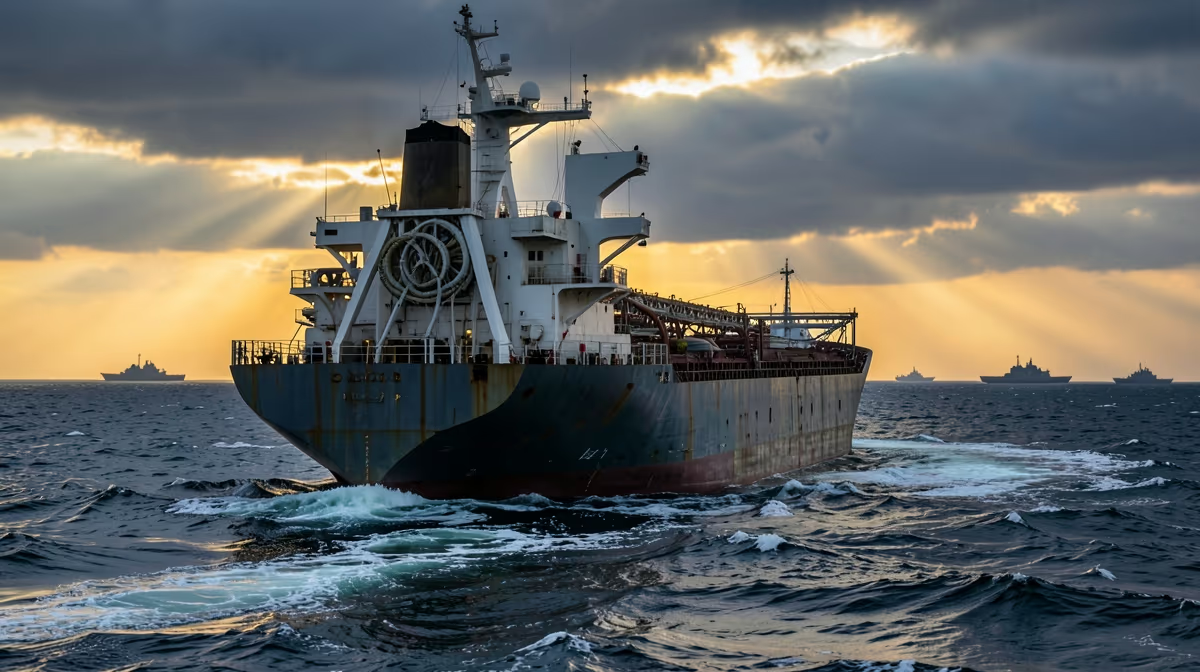
Amid escalating regional friction, the recent Khamenei Gulf unity call highlights a strategic shift in Tehran's foreign policy as maritime disputes continue. As the conflict passes the six-month mark, statements attributed to Iran's leadership, including messages from figures such as Mojtaba Khamenei, have reached out to Gulf rulers regarding regional confrontation and resistance against sanctions.
Strategic Shifts Behind the Khamenei Gulf Unity Call
Persistent strategic tensions in the Strait of Hormuz and ongoing international sanctions have forced Tehran to seek diplomatic leverage through regional outreach. The developments unfold alongside persistent geopolitical friction involving the United States and strategic maritime choke points like the Strait of Hormuz. Meanwhile, international media coverage continues to monitor power struggles within Iran that could heavily influence the trajectory and conclusion of the ongoing war.
Iranian leadership has publicly called for regional unity and a united stance among Muslim nations and Gulf rulers amidst ongoing war and sanctions. Written messages and public statements have been directed at Gulf rulers amid ongoing tensions, as the broader conflict has passed the six-month mark, bringing ongoing economic and military pressures. Tensions persist around strategic waterways including the Strait of Hormuz, leaving regional officials and international observers to issue statements responding to Iran's diplomatic overtures and warnings.
- Iran's leadership has called for Gulf unity and Muslim world solidarity
- The appeal urges regional nations to confront what is termed the real enemy
- Tensions continue to persist around the critical Strait of Hormuz shipping lanes
- Messages have been communicated through written statements and public addresses
- The developments coincide with ongoing geopolitical strains and sanctions in the region
Implications for Regional Security and Shipping
The Strait of Hormuz is a vital global trade route for oil and goods. Any diplomatic shifts or escalation of tensions in this key waterway can directly impact international energy supplies and global economic stability. The continuation of U.S. sanctions and prolonged conflict strain regional economies, making stability in key shipping lanes like Hormuz critical for financial survival.
Calls for Muslim world and Gulf unity challenge traditional Western security alignments in the Middle East, altering diplomatic calculations for regional actors. Behind the public calls for unity may lie quiet back-channel diplomacy aimed at securing economic relief and neutralizing maritime threat perceptions among smaller Gulf states, echoing periodic diplomatic thaws and tactical rapprochements between Iran and Saudi Arabia during heightened periods of regional economic strain.
Political and Economic Dimensions
Domestic leadership dynamics in Iran, including succession questions and power struggles, intersect with foreign policy shifts toward Gulf neighbors. Internal power struggles and leadership messaging emerge regarding the direction of the conflict as Iranian leadership issues public and written appeals to Gulf rulers to confront external pressures.
- U.S. sanctions and regional hostilities pass the six-month mark of intense escalation
- Internal power struggles and leadership messaging emerge regarding the direction of the conflict
- Iranian leadership issues public and written appeals to Gulf rulers to confront external pressures
How Gulf nations will formally respond to Iran's outreach and whether these diplomatic maneuvers will shift regional security dynamics in the Strait of Hormuz remain unclear. Observers are closely monitoring whether Gulf leaders will respond to Tehran's overtures for cooperation or maintain alignment with international partners.
Outlook and Future Scenarios
Tensions surrounding the Strait of Hormuz will remain elevated as regional leaders digest the call for Gulf unity and Muslim solidarity from Iranian leadership amidst ongoing sanctions and conflict. Diplomatic and political maneuvering is expected to continue across the region as observers assess the domestic power structures in Iran and potential impacts on shipping lanes and international diplomacy.
Calls for unity open diplomatic channels that help de-escalate tensions in the Strait of Hormuz and reduce immediate security risks in the region.
Analysts would likely expect that appeals for unity by Iranian leadership amid persistent Hormuz tensions will prompt careful diplomatic reassessments among neighboring Gulf states and international actors monitoring the conflict. While best-case outcomes involve open diplomatic channels helping to de-escalate tensions and reduce risks, worst-case projections see tensions persisting without resolution, leading to continued friction and entrenched hostility despite rhetorical appeals for alignment.
Frequently Asked Questions
What did Iran's Khamenei call for amid Strait of Hormuz tensions?
Amid ongoing tensions in the Strait of Hormuz, Iranian leadership has called for greater unity among Gulf and Muslim nations. Reports indicate that messages were urged to regional rulers to help confront what is described as a 'real enemy'.
Why are calls for Gulf unity important right now?
These appeals come at a critical juncture as regional conflicts and economic sanctions continue to put pressure on the Middle East. Unity among Gulf states could significantly influence maritime security and geopolitical stability in the vital shipping lane.
Who is affected by the ongoing tensions in the Strait of Hormuz?
The persistent tensions directly impact international shipping, global energy supplies, and neighboring Gulf countries. Furthermore, populations across the region face heightened risks of instability as diplomatic and military friction persists.
What happens next as the regional conflict continues?
Observers are closely monitoring whether Gulf leaders will respond to Tehran's overtures for cooperation or maintain alignment with international partners. The ongoing power struggle within Iran may also play a crucial role in determining how regional policies unfold.
What is the background of the recent messages sent to Gulf rulers?
The calls for solidarity emerged alongside broader geopolitical friction, including the ongoing fallout from U.S. sanctions and a prolonged regional war passing the six-month mark. Iranian figures, including Mojtaba Khamenei, reportedly utilized written communications to reach out to regional counterparts.
What specific detail highlights the current diplomatic messaging?
A notable aspect of the recent outreach involved written messages directed specifically at Gulf rulers urging them to unite against external pressures. This diplomatic maneuver underscores Tehran's desire to reshape regional alliances while maritime tensions remain elevated.
Conclusion
Iranian leadership has publicly called for regional and Muslim unity, urging Gulf neighbors to confront external pressures as the conflict and associated sanctions pass the six-month mark. Tensions continue to persist around strategic waterways including the Strait of Hormuz, while international observers monitor internal power struggles and potential diplomatic shifts. Regional leaders and international actors will continue to assess these diplomatic overtures as maritime and geopolitical friction remains a central challenge for the Middle East.
Sources
- Live Updates: Iran vows to resist U.S. sanctions as war passes 6-month mark — CBS News
- A power struggle in Iran could decide when Trump’s war ends — CNN
- Iran war live: Khamenei calls for Muslim world to confront ‘real enemy’ — Al Jazeera
- Iran’s Mojtaba Khamenei urges Gulf rulers in written message to confront ‘real enemy’ — NBC News
- Iran's leader calls for Muslim unity, NBC crew attacked in West Bank and other Mideast news — AP News
- Iran’s Khamenei calls for Gulf unity as Hormuz tensions persist — Al Jazeera


.webp)