
Japan and Tokyo Earthquake Shakes Region With Sudden 5.9 Tremor
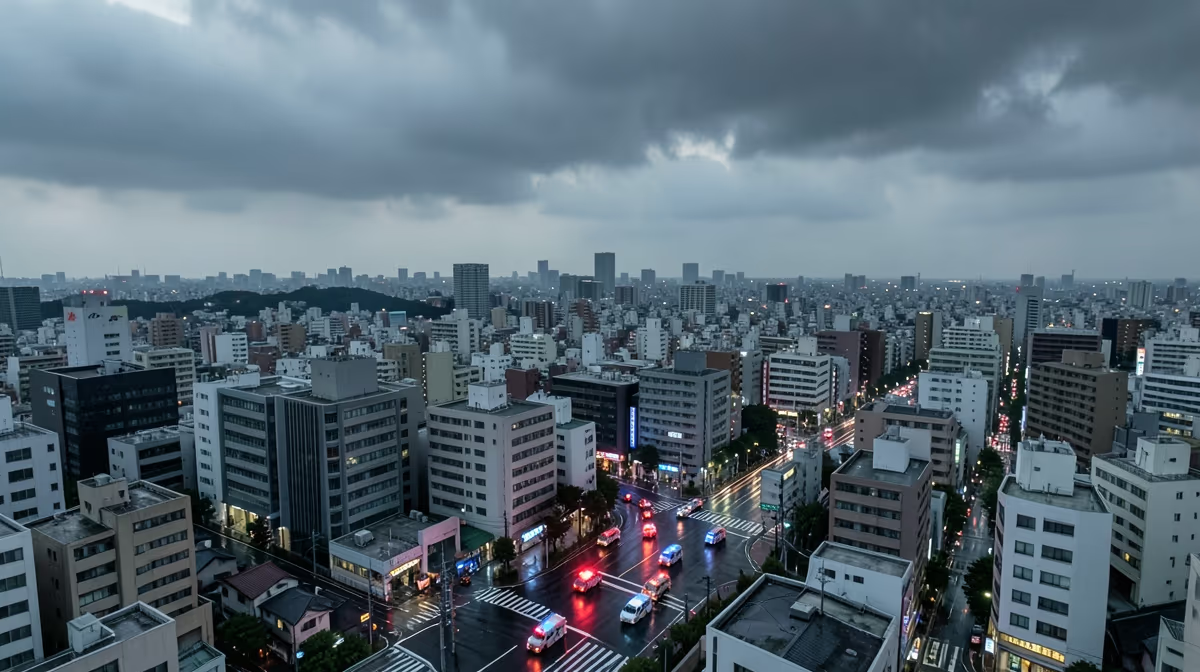
A sudden Japan and Tokyo earthquake has rattled the metropolitan region, causing minor disruptions. Beneath the surface of the Pacific Ring of Fire, subterranean tectonic shifts can instantly alter the rhythm of millions of lives across the urban landscape.
Details of the Magnitude 5.9 Tremor
A moderate earthquake with a magnitude of 5.9 recently struck eastern Japan, sending strong tremors through the Tokyo region. While the shaking was intense enough to rattle buildings and alarm residents, authorities quickly confirmed that there is no tsunami threat to the coast.
Initial reports indicate that more than 30 people sustained injuries during the seismic event, mostly due to falling objects or minor accidents caused by the sudden shaking. Emergency services and local officials have been assessing the affected areas for any structural damage, though widespread devastation has not been reported.
- A moderate earthquake with a magnitude of 5.9 struck eastern Japan, including the Tokyo region.
- More than 30 people sustained injuries during the tremors.
- No tsunami threat was issued following the earthquake.
- Reports of damage and injuries are primarily concentrated around the greater Tokyo area and northeast Japan.
- Emergency services and local authorities responded promptly to assess infrastructure and assist the injured.
Impact and Safety Status Across Tokyo
The seismic event struck eastern Japan, heavily impacting the Tokyo region with notable tremors. According to reports from major news outlets including AP News, Kyodo News, and India Today, the earthquake measured a magnitude of 5.9.
In the immediate aftermath of the tremor, authorities and emergency services responded to reports of injuries. Over 30 people have been reported injured in the Tokyo region and surrounding areas as a result of the shaking.
Despite the strength of the quake and the resulting injuries, officials have confirmed that there is no tsunami threat to the region. Transportation and local infrastructure are being evaluated for potential minor disruptions as structural checks continue.
Emergency management teams remain on alert to assist those affected and to assess any additional structural damage throughout eastern Japan following the moderate tremor.
Why This Matters
Even moderate earthquakes in densely populated urban centers like Tokyo can cause injuries, disrupt daily life, and raise anxiety among residents. Understanding how the region responds helps highlight the importance of earthquake preparedness and robust emergency infrastructure in seismically active areas.
Residents, commuters, and workers in Tokyo and eastern Japan experienced the sudden shaking and subsequent emergency responses firsthand. Japan is one of the most seismically active countries in the world, situated along the Pacific Ring of Fire where several tectonic plates meet. Because earthquakes are frequent occurrences, the country has developed strict building codes and advanced early-warning systems to minimize damage and protect the public during seismic events.
Analyst View and Structural Context
Seismic activity along tectonic plate boundaries in the Pacific ring of fire frequently results in moderate to strong earthquakes affecting eastern Japan and the Tokyo metropolitan area. This incident tests the disaster preparedness and emergency communication protocols of local and national Japanese authorities, putting pressure on administrative leaders to demonstrate swift and effective response management.
While infrastructure damage appears limited and no tsunami warning was issued, sudden earthquakes in the capital region can cause temporary disruptions to public transport, manufacturing supply chains, and commercial operations, highlighting urban vulnerability. Japan's advanced earthquake engineering and rapid-response infrastructure serve as a global benchmark for disaster resilience, indirectly influencing how other seismically active nations plan urban disaster management.
Frequent moderate earthquakes, while rarely catastrophic on their own, may gradually strain aging urban infrastructure and underground utilities in Tokyo, potentially accelerating long-term maintenance and structural upgrade costs. The 2011 Great East Japan Earthquake, though vastly more powerful and destructive, fundamentally shaped modern Japanese building codes, public alert systems, and emergency preparedness protocols seen in today's responses.
Future Outlook and Next Steps
Authorities will continue assessing structural damage and treating the more than 30 people injured following the magnitude 5.9 earthquake that struck eastern Japan and the Tokyo region. Transportation networks and local infrastructure will undergo safety inspections and potential minor repairs, while officials monitor for any potential aftershocks following the tremor.
Analysts expect minor disruptions to daily transit and normal operations in the Tokyo area while infrastructure checks are completed, with no long-term economic impact anticipated due to the absence of a tsunami threat. Regional authorities, emergency response teams, and the Japan Meteorological Agency remain key players in managing the recovery across the Tokyo region, eastern Japan, and local infrastructure.
Authorities continue assessing structural damage and treating the injured following the magnitude 5.9 earthquake in eastern Japan and the Tokyo region.
Frequently Asked Questions
What was the magnitude of the earthquake that struck Japan?
The earthquake measured a magnitude of 5.9.
Were there any tsunami warnings issued?
No, authorities quickly confirmed that there is no tsunami threat following the seismic event.
How many people were reported injured?
More than 30 people sustained injuries during the tremors, primarily due to falling objects or minor accidents in the Tokyo region.
Conclusion
A magnitude 5.9 earthquake struck eastern Japan and the Tokyo region, resulting in over 30 reported injuries and strong shaking across the capital area. Official assessments confirmed that no tsunami threat was triggered by the seismic activity. Emergency services, regional authorities, and the Japan Meteorological Agency continue to monitor the situation, perform structural and infrastructure inspections, and treat those injured while transportation and local services undergo safety evaluations.
Sources
- A moderate earthquake shakes Japan, injuring more than 30 people in the Tokyo region — AP News
- BREAKING NEWS: M5.9 earthquake strikes eastern Japan, including Tokyo — Japan Wire by Kyodo News
- Japan earthquake jolts Tokyo area, over 30 injured, no tsunami threat — India Today
- A Moderate Earthquake Shakes Northeast Japan, Injuring Over 20 People In Tokyo Region — ETV Bharat
- M5.9 quake shakes eastern Japan, injuring more than 20 people — Japan Today


.webp)
