
Onion Prices Touch 62 Per Kg As Government Blames Middlemen
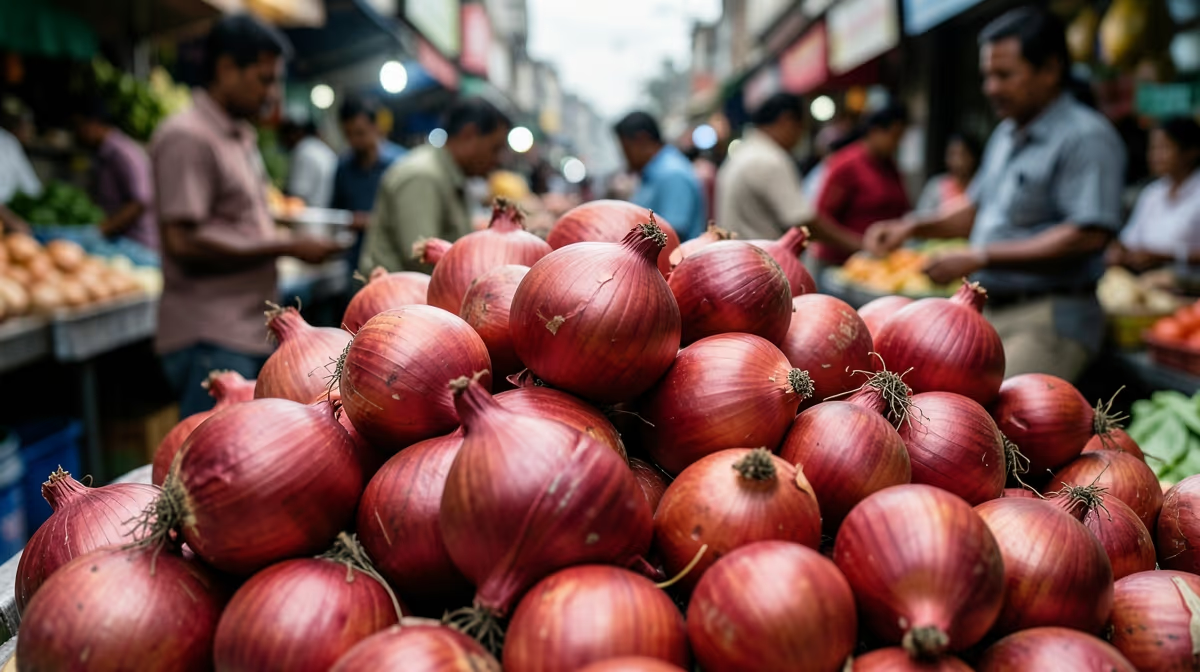
The sudden surge in onion prices India has sparked widespread concern among consumers as rates touch 62 per kg, prompting government intervention. Behind this volatile trajectory lies a complex web of agricultural supply chain vulnerabilities, where intermediary pricing structures directly challenge the stability of retail markets.
Background and Market Realities
Retail onion prices have climbed to around ₹62 per kilogram, putting a noticeable squeeze on household budgets across the country. As consumers feel the pinch at local vegetable markets, authorities have pointed a finger at middlemen, blaming intermediary traders for driving up the costs before the produce even reaches retail shelves. Price spikes of this nature are a recurrent challenge in agricultural markets, often sparked by supply chain bottlenecks, transport issues, or uneven crop yields. While farmers and final buyers both struggle with these fluctuations, authorities frequently scrutinize the middle layers of the supply chain to determine why end prices are so much higher than farm-gate rates.
- Retail onion prices have reached ₹62 per kg
- The government has blamed middlemen for the recent price rise
- Food and vegetable pricing remains a sensitive political and economic issue for households
- Intermediary supply chain layers are currently under scrutiny for inflating consumer costs
Vegetables like onions are essential staples in daily cooking for millions of households. When basic food items experience sharp price increases, it directly strains family finances, forces cutbacks on other essential expenses, and contributes to broader domestic inflation concerns. Everyday household consumers, local retail vegetable vendors, and farmers navigating complex agricultural supply chains face direct effects from these market dynamics. Onion prices in India are notoriously volatile, subject to seasonal weather variations, storage capabilities, and supply chain inefficiencies. Historically, when prices surge rapidly, governments often step in by monitoring hoarding, adjusting buffer stocks, or examining the margins taken by middle-tier traders.
Structural Causes and Policy Responses
Structural supply chain vulnerabilities and speculative inventory holding across agricultural distribution networks drive sudden retail price spikes for essential commodities like onions. Food inflation acts as a critical political flashpoint for the government, compelling officials to shift blame onto intermediate traders and middlemen to deflect public dissatisfaction ahead of festive seasons. Retail prices climbing to 62 per kg squeeze household budgets, dampening broader consumer demand and threatening profit margins across the broader food supply chain. Domestic agricultural price volatility restricts India's export posture, often leading to sudden export bans or restrictions to safeguard domestic food security, impacting regional trade partners.
The recurring focus on middlemen may obscure deeper structural deficiencies in cold storage infrastructure, warehousing capacity, and post-harvest management that structurally limit supply resilience. Past instances of severe onion and pulse inflation in South Asia frequently triggered government intervention, stock limits, and crackdowns on perceived hoarding.
Government scrutiny on the onion supply chain is expected to intensify as retail prices touch 62 per kg, with further calls to crack down on alleged middleman manipulation.
Broader Trends in Food Inflation and Commodity Prices
Retail prices for essential kitchen staples have been drawing significant attention recently, with onions climbing to ₹62 per kg. In response to the escalating financial burden on consumers, authorities have attributed the price surge to intermediaries operating within the supply chain rather than basic supply shortages. While consumers grapple with the rising costs of daily commodities, related markets have also seen government intervention. In the sugar sector, for instance, authorities have recently stepped up measures to curb hoarding and boost festive-season supply, successfully driving down prices in various urban markets. Market observers note that supply chain inefficiencies and the role of middlemen remain persistent challenges for agricultural pricing in the country. Stakeholders continue to monitor the situation closely as policymakers contemplate further interventions to stabilize market rates.
Authorities may consider targeted market interventions, similar to recent measures taken in the sugar sector to curb hoarding and boost festive-season supply, to stabilize onion prices ahead of the festive season. Central government officials, middlemen, retail vendors, and consumers remain the key players navigating these shifting supply and pricing pressures across retail food inflation, household budgeting, and the agricultural supply chain.
Frequently Asked Questions
Why are onion prices touching ₹62 per kg?
Onion prices have climbed to ₹62 per kg, prompting the government to closely monitor the market situation. Authorities have pointed towards middlemen as a primary factor contributing to the sudden price spike.
Who is being blamed by the government for the onion price rise?
The government has explicitly blamed middlemen and intermediaries for manipulating supply chains and driving up the cost of onions for everyday consumers. This blame shifts focus onto distribution bottlenecks rather than basic crop shortages alone.
Who is most affected by the rising onion prices?
Household consumers across the region bear the brunt of these escalating vegetable costs, which strain monthly grocery budgets. Retail buyers face immediate financial pressure as staple items like onions become significantly more expensive.
What does this price surge mean for the broader food market?
Sudden increases in essential commodity prices like onions raise concerns about persistent food inflation affecting the public. It also highlights vulnerabilities in agricultural supply chains leading up to peak consumption periods.
What happens next as onion prices continue to remain high?
Authorities may step up market interventions, inspections, or supply-boosting measures to curb hoarding and stabilize retail rates. Similar regulatory actions have recently been deployed for other commodities like sugar to protect festive-season supply.
What is the exact current retail price of onions mentioned by authorities?
Reports indicate that onion prices have specifically touched the threshold of ₹62 per kg in retail markets. This exact figure has triggered official scrutiny and calls for accountability among market intermediaries.
Conclusion
As retail onion prices hold firm at ₹62 per kg, the government continues to attribute the escalation to intermediary supply chain pressures and middlemen. With historical precedents in related commodities like sugar showing active administrative intervention, market watchers anticipate potential regulatory measures aimed at stabilizing essential vegetable supplies. Households and policymakers alike remain focused on whether upcoming administrative steps can effectively ease retail price burdens heading further into the season.
Sources
- Maruti Baleno Prices Hiked For Select Variants — CarWale
- MG Hector Tomahawk EV Excite 7-Seater On Road Price (Electric(Battery)), Features & Specs, Images — CarDekho
- As onion touches ₹62 per kg, government blames middlemen for price rise — The Hindu
- Sugar price surge threatens margins of packaged food companies ahead of festive season — ChiniMandi
- Sugar prices fall 20% as Centre steps up measures to curb hoarding, boost festive-season supply — The New Indian Express
- Retail sugar prices ease below ₹60 a kg in Kolkata and Mumbai — BusinessLine


.webp)