
Meta Glasses Face Ban in UK Cinemas Amid Growing Privacy Fears
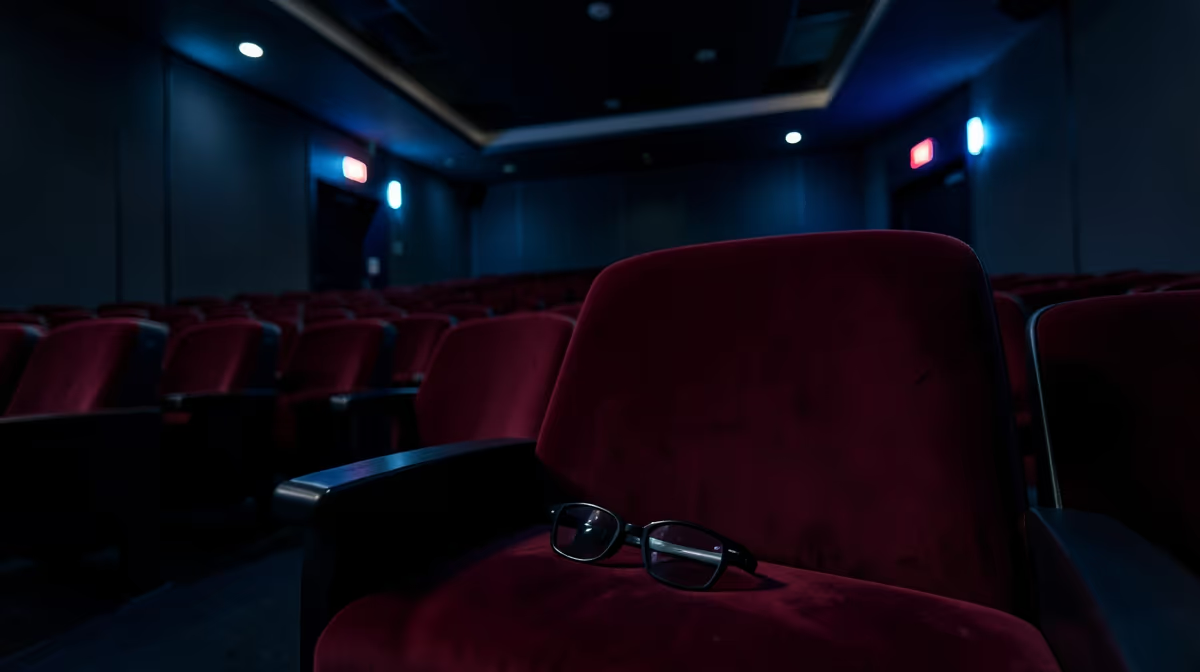
UK cinemas are considering a ban on Meta smart glasses amid growing concerns surrounding unauthorized recording and privacy violations in public screening spaces. As wearable technology continues to evolve, major UK cinemas consider ban on Meta glasses to protect patron privacy and prevent unauthorized film recording.
Background and the Rise of Smart Glasses
Cinemas across the UK are currently considering a ban on Meta smart glasses amidst growing concerns over unauthorized filming and privacy violations. These wearable devices allow users to seamlessly record video and take photos in public spaces without drawing obvious attention, sparking worry among moviegoers who value their privacy in darkened theaters.
The debate follows similar moves by other organizations and highlights the rising tension between everyday wearable technology and privacy rights. As smart glasses become more common, entertainment venues are forced to figure out how to protect copyrighted films and the personal privacy of their patrons from covert recording.
- UK cinemas are considering a ban on Meta smart glasses.
- Concerns center around unauthorized filming and privacy violations in public spaces.
- Meta's smart glasses allow users to record video and take photos discreetly.
- The issue highlights ongoing tensions between emerging wearable technology and privacy rights.
- Other organizations, such as ICE, have also restricted workers from wearing Meta smart glasses on the job.
Smart glasses with built-in cameras have sparked ongoing debates about consent and surveillance since their introduction to the market, as their discreet design makes it difficult for bystanders to know when they are being recorded. The rapid commercialization of wearable smart glasses with discrete recording capabilities has outpaced existing social norms, privacy regulations, and intellectual property protections, forcing public venues to confront widespread unauthorized filming.
Current Developments and Institutional Reactions
The potential restrictions on Meta glasses follow mounting discussions regarding privacy and the ease with which users can capture video footage without the explicit consent of those around them. As wearable recording technology becomes more discreet, entertainment venues and public institutions are facing new challenges in protecting audience privacy.
The conversation surrounding the use of smart glasses extends beyond entertainment venues, with government agencies also taking a stance on the devices. Recent reports indicate that authorities have restricted personnel from wearing Meta's smart glasses while on the job due to similar concerns over data privacy and recording policies. For instance, ICE recently barred its workers from wearing Meta's smart glasses while on duty to mitigate potential security risks.
As the debate continues to unfold across multiple sectors, privacy advocates and technology analysts are scrutinizing the balance between consumer tech convenience and the right of individuals not to be recorded without their knowledge. Industry representatives and cinema operators are expected to issue statements regarding venue policies and privacy measures.
Why This Matters
As wearable recording technology becomes sleeker and harder to detect, public spaces like cinemas are facing new challenges in balancing consumer tech adoption with basic privacy and anti-piracy measures. Incidents of covert recording undermine trust in public venues where people expect a reasonable degree of privacy.
Governments and public institutions are facing mounting pressure from privacy advocates and citizens demanding protection from clandestine surveillance, leading to internal workplace bans and public discussions about regulating consumer recording devices. Entertainment venues like cinemas face severe financial and reputational risks if unauthorized recordings of feature films proliferate, threatening box office revenues and intellectual property integrity while forcing investments in new security protocols.
The cross-border proliferation of consumer smart devices challenges national regulatory frameworks regarding surveillance and consent, highlighting a growing friction between Silicon Valley hardware innovation and regional privacy laws such as the UK's data protection standards.
UK cinemas are evaluating potential bans on smart glasses to safeguard intellectual property and ensure patron privacy during public screenings.
Future Outlook and Industry Implications
UK cinemas are likely to face immediate discussions and preliminary announcements regarding the implementation of bans on Meta glasses, following growing public concern over unconsented recording. Other entertainment venues and public spaces across the UK may follow cinemas' lead in considering restrictions on smart glasses, while workplace policies similar to ICE's ban could see broader adoption discussion.
Analysts would likely expect a wave of proactive bans by entertainment venues seeking to protect patron privacy and prevent unauthorized recording, putting pressure on tech companies to address surveillance concerns. Venues may implement clear, transparent policies regarding smart glasses without heavily impacting regular patrons, prompting Meta to introduce stronger hardware indicators or privacy features for recording devices. Conversely, a widespread proliferation of covert recording could lead to aggressive confrontations in public venues, stricter blanket bans on all wearable tech, and prolonged legal and regulatory battles over privacy infringement.
Frequently Asked Questions
Why are UK cinemas considering a ban on Meta glasses?
UK cinemas are weighing potential bans on smart glasses due to growing privacy concerns regarding secret filming and recording during screenings. The discreet nature of devices like Meta's smart glasses makes it difficult for other patrons to know if they are being filmed without their consent.
How do Meta glasses spark privacy concerns in public spaces?
Meta glasses feature built-in cameras that allow users to capture video and photos effortlessly while blending in with standard eyewear. This capability has led to widespread discussions about consent and surveillance, with critics dubbing them "spy glasses" due to the potential for unauthorized recording.
Who is affected by the growing restrictions on Meta glasses?
Consumers, cinema-goers, and professionals alike are feeling the impact as various organizations begin cracking down on smart eyewear. Beyond entertainment venues, agencies like ICE have also barred workers from wearing Meta's smart glasses on the job to protect sensitive information.
What happens next as cinemas and workplaces address smart glasses?
As public awareness grows around covert recording devices, more entertainment venues and businesses are expected to formalize policies regarding wearable tech. Organizations will likely implement stricter entry rules or outright bans to ensure patron and employee privacy.
Are other organizations banning Meta smart glasses besides cinemas?
Yes, security and government agencies are taking preemptive measures against wearable recording devices. For instance, ICE recently barred its workers from wearing Meta's smart glasses while on duty to mitigate potential security risks.
What specific challenges do Meta glasses present for consent?
The primary challenge is that it is often impossible for bystanders to determine whether the wearer is actively streaming or recording footage. This lack of clear visual indicators leaves individuals vulnerable to being filmed without their knowledge or permission in public and private spaces alike.
Conclusion
UK cinemas are actively considering bans on Meta glasses amid documented concerns regarding unconsented recording and patron privacy in public screening rooms. While discussions continue across entertainment venues and institutional workplaces regarding wearable tech, whether major cinema chains will officially implement the bans and structure enforcement policies remains to be seen.
Sources
- UK cinemas consider ban on Meta glasses — Sky News
- Did someone wearing Meta Glasses film you today? Are you sure? — The Guardian
- Cost of Meta glasses: Who consented to being recorded? — Daily Sabah
- ICE Bars Its Workers From Wearing Meta’s Smart Glasses on the Job — nytimes.com
- ICE boss to agents: Leave the Meta spy glasses at home — The Register
- Meta Can’t Stop the Avalanche of Content Filmed on Pervert Glasses — PetaPixel


.webp)
