
Yaroslavl Oil Refinery Drone Strike Sparks Major Energy Security Concerns
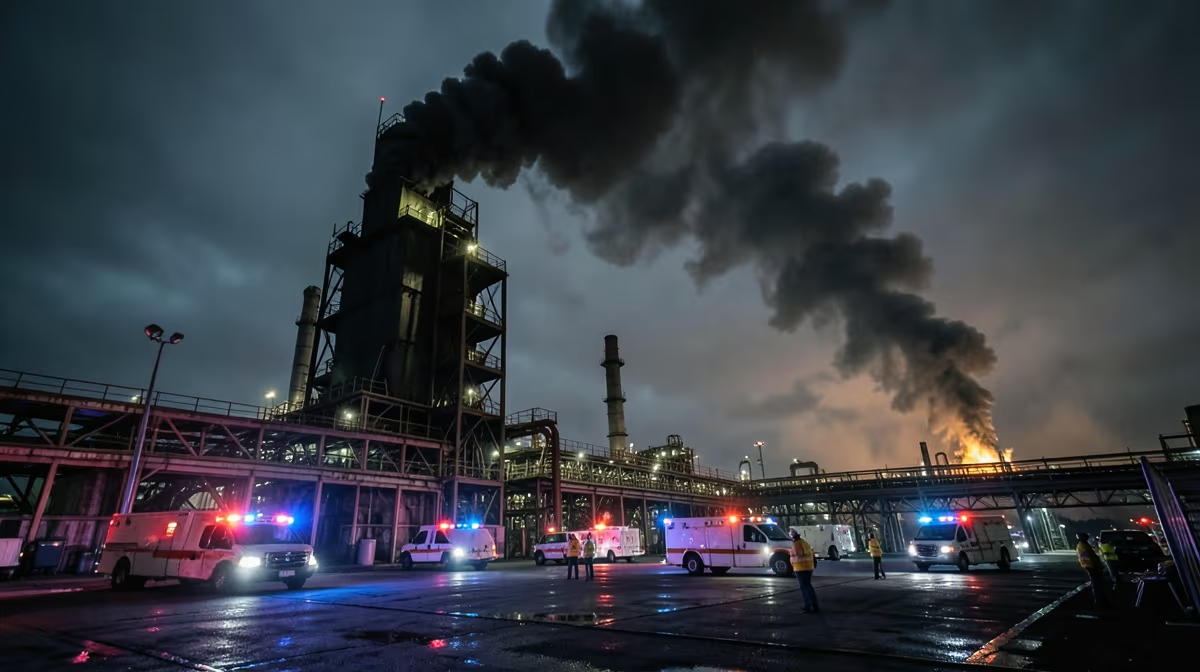
A Ukrainian drone strike targeted the Slavneft-YANOS oil refinery in Yaroslavl, Russia, on Wednesday, sparking a localized fire and testing regional air defenses roughly 250 kilometers northeast of Moscow. A major yaroslavl oil refinery drone strike has once again highlighted the vulnerability of Russia's critical energy infrastructure as regional officials report explosions and subsequent fire incidents.
The overnight assault on one of Russia's major oil processing facilities highlights the expanding geographic range of unmanned aerial vehicle attacks deep within Russian territory. Emergency services and regional firefighting crews were promptly dispatched to the industrial site to contain the blaze, which authorities reported was brought under control without immediate widespread casualties. Preliminary assessments from energy analysts indicate that while processing units may experience temporary downtime for safety inspections, the overarching impact on Russia's national petroleum output remains limited. However, the incident underscores the persistent vulnerability of critical energy infrastructure to long-range aerial strikes as the conflict enters a new phase. Russian air defense units have increasingly faced challenges intercepting low-flying drones targeting industrial hubs far from the front lines. Regional governors and federal officials continue to reiterate that security measures are being upgraded around vital facilities to prevent subsequent breaches. Yaroslavl Region Governor Mikhail Evraev confirmed the incident via Telegram, stating that an aerial drone was neutralized at the Slavneft-YANOS refinery enterprise and adding that there are no casualties, and emergency services are working at the scene to ensure safety.
Background Context And Mechanics
A major oil refinery located in the Russian city of Yaroslavl was recently targeted in a drone attack. Drones, which are flying robots controlled from a distance, managed to reach the facility and cause damage, leading to fires and disruptions at the site. Yaroslavl is situated northeast of Moscow, and its refinery is one of the largest in Russia, responsible for producing huge amounts of gasoline, diesel, and other fuel products. Incidents like this have become more common as the conflict between Russia and Ukraine continues, with energy facilities frequently becoming targets for aerial strikes.
The historical context of these operations reflects asymmetric technological warfare aimed at neutralizing Russia's refined petroleum export capacity through long-range unmanned aerial systems. This strategy has evolved from the initial deployment of long-range reconnaissance drones by Ukraine, progressing through first successful deep-strikes on peripheral Russian border fuel depots, the technological upgrading of drone payloads and range to reach the upper Volga region, precision strikes hitting primary processing units at the Yaroslavl refinery, and culminating in the current phase of persistent, attritional campaigns targeting Russian refining capacity ahead of seasonal demand cycles.
Verified Facts Of The Incident
Official reports and verified documentation confirm several key parameters of the event. A drone strike targeted the Slavneft-YANOS refinery in Yaroslavl, located approximately 250 kilometers northeast of Moscow. A localized fire broke out as a result of the impact. Regional authorities reported no casualties from the incident. An aerial drone successfully reached and impacted the Yaroslavl oil refinery, causing a fire that has since been extinguished by emergency responders.
Developing intelligence focuses on determining the full extent of the structural and operational damage to the refinery's processing units, as well as the exact origin and trajectory of the launched drone. Plant personnel were evacuated immediately upon impact, and emergency protocols were activated to prevent secondary explosions. Local governors and emergency ministries continue to provide updates regarding site conditions and ongoing safety checks.
Economic And Market Impact
Attacks on large oil refineries directly impact Russia's ability to produce and supply fuel for both its domestic market and its military operations. For the rest of the world, disruptions to Russian energy production can influence global oil prices, potentially leading to higher costs for fuel and energy products internationally. Russian citizens experience potential fuel shortages or higher prices, while the companies operating the refinery and local residents living near the facility face safety risks from fires and operational interruptions. Global consumers may also see fluctuations in international energy prices depending on the duration of processing outages.
Economically, these strikes lead to the disruption of domestic fuel supplies and increased repair costs for complex Western-dependent catalytic cracking units, creating upward pressure on regional fuel prices. While direct impacts on global crude oil benchmarks are often limited unless sustained, long-term shutdowns occur at major export terminals, markets closely monitor these incidents for potential escalations affecting refined product supplies, such as diesel and gasoline.
Strategic And Geopolitical Analysis
The political angle of the incident centers on demonstrating the vulnerability of central Russian infrastructure to domestic and international audiences, directly challenging the Kremlin's security narrative. Geopolitically, the escalation of energy infrastructure targeting prompts debates among Western allies regarding the strategic utility versus escalation risks of strikes deep within internationally recognized Russian territory.
A hidden angle in these developments is the strain on Russian localized air defense networks, which are increasingly forced to choose between protecting front-line military positions and safeguarding critical domestic industrial hubs. In response to recurring drone attacks, Russian industrial facilities and regional authorities have increasingly deployed electronic warfare systems and makeshift physical barriers. Air defense units are also positioned near critical infrastructure to intercept incoming threats before they reach their targets. Despite these countermeasures, the vast geographical expanse of Russia makes securing every energy facility extremely challenging, keeping security forces on high alert across central Russian oblasts.
Outlook And Future Projections
In the next 24 hours, observers expect increased air defense patrols around major Russian industrial facilities, regional damage assessments, and official statements from Moscow blaming Kyiv. Looking toward the next 72 hours, potential retaliatory missile strikes by Russian forces on Ukrainian infrastructure remain a primary concern, alongside heightened security alerts across central Russian oblasts.
Expert prediction indicates that attacks on Russian refining capacity will likely persist as a strategic asymmetric tactic by Ukraine, forcing Russia to divert critical air defense systems away from the front lines. The best-case scenario involves minimal structural damage to the refinery allowing for rapid repairs, with no disruption to regional fuel supplies or escalation in civilian casualties. Conversely, the worst-case scenario entails severe structural damage leading to prolonged refining outages, domestic fuel shortages, and a significant escalation in retaliatory strikes on Ukrainian urban centers.
Frequently Asked Questions
What happened during the Yaroslavl oil refinery drone strike?
The Yaroslavl oil refinery, operated by Slavneft-YANOS, has been targeted by long-range drone attacks amid ongoing regional conflicts. These strikes typically aim to disrupt fuel processing capabilities and inflict economic impact on critical Russian energy infrastructure. Emergency services usually respond quickly to contain resulting fires and assess structural damages.
Where is the Yaroslavl oil refinery located?
The Yaroslavl oil refinery is situated in the city of Yaroslavl, which lies approximately 250 kilometers northeast of Moscow, Russia. As one of the largest refineries in the central region of the country, it plays a vital role in supplying refined petroleum products to the domestic market. Its geographical location places it within range of certain long-range aerial threats.
Who is responsible for the drone attacks on Russian refineries?
While Ukrainian authorities rarely officially claim direct responsibility for specific strikes deep inside Russian territory, Kyiv has openly acknowledged a broader strategy of targeting Russian military and energy assets. These operations are designed to degrade the logistics and supply chains supporting the ongoing military campaign. International observers and intelligence agencies generally attribute these attacks to Ukrainian long-range uncrewed aerial vehicles.
What is the impact of the Yaroslavl oil refinery strikes on global oil markets?
Attacks on Russian refineries like the one in Yaroslavl cause temporary disruptions to regional fuel production and processing capacities. However, their direct impact on global crude oil benchmarks is often limited unless they cause sustained, long-term shutdowns of major export terminals. Markets primarily monitor these incidents for potential escalations affecting refined product supplies, such as diesel and gasoline.
How are Russian refineries defending against drone strikes?
In response to recurring drone attacks, Russian industrial facilities and regional authorities have increasingly deployed electronic warfare systems and makeshift physical barriers. Air defense units are also positioned near critical infrastructure to intercept incoming threats before they reach their targets. Despite these countermeasures, the vast geographical expanse of Russia makes securing every energy facility extremely challenging.
Are employees or civilians injured during these refinery attacks?
Most reported drone strikes on Russian refineries result in localized fires and material damage to processing units rather than mass casualties. Plant personnel are typically evacuated immediately, and emergency protocols are activated to prevent secondary explosions. Local governors and emergency ministries provide updates regarding any injuries or fatalities resulting from falling debris.
Conclusion
The drone strike on the Slavneft-YANOS facility in Yaroslavl underscores the ongoing vulnerability of critical Russian energy infrastructure to long-range aerial attacks. While emergency responders successfully contained the resulting fire without immediate widespread casualties, the incident highlights the persistent security challenges facing central industrial hubs. Authorities continue to assess structural and operational damages as regional air defenses remain on heightened alert for potential developments.


.webp)

