
Harvey Weinstein Sentenced to 15 Years in Landmark New York Ruling
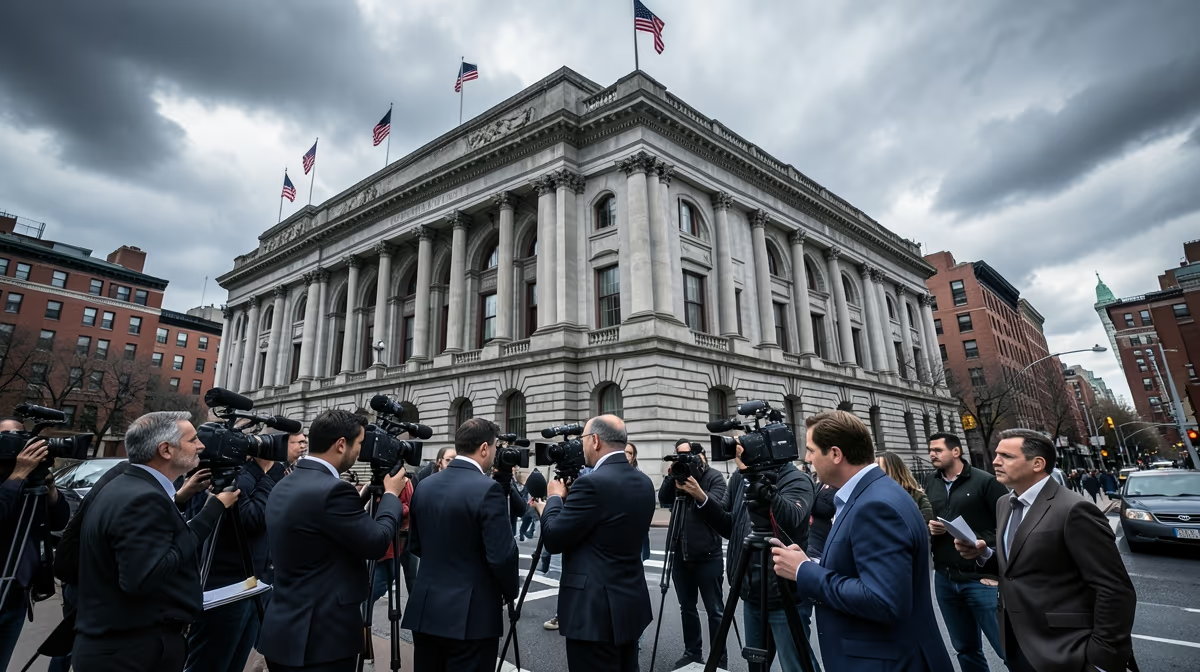
The finality of the latest Harvey Weinstein sentencing marks a decisive moment in a legal journey that has fundamentally reshaped the landscape of power, consent, and accountability in the modern era. By handing down a 15-year prison term for a 2006 sex crime, the New York court has not only addressed a specific instance of criminal conduct but has also reinforced the enduring impact of a movement that began nearly a decade ago.
The recent Harvey Weinstein sentencing has brought a significant update in the high-profile legal proceedings, offering a definitive resolution to a case that has faced multiple appellate reviews and intense public scrutiny. This sentence stems from charges that originally helped ignite the global MeToo movement, as numerous women came forward to accuse the once-powerful movie mogul of sexual assault and abuse within the entertainment industry over several decades. The ruling, delivered in a New York courtroom, follows a complex retrial process necessitated by the overturning of a previous conviction.
The sentencing reinforces judicial accountability for workplace sexual assault, serving as a focal point for the entertainment industry and legal systems handling crimes against survivors.
The Mechanics of the New York Retrial and Verdict
The path to this 15-year sentence was anything but linear. Following the overturning of an earlier conviction on appeal, the New York judicial system was tasked with conducting a retrial to address the 2006 sex crime. This legal process was designed to ensure that the rule of law was upheld while allowing prosecutors another opportunity to present their case regarding the sexual assault conviction. Major news outlets, including AP News, Variety, and The Guardian, have meticulously documented the proceedings, noting that the 15-year term specifically addresses the gravity of the 2006 offense.
Legal observers have pointed out that the New York retrial was a high-stakes endeavor for the justice system. The successful prosecution and subsequent sentencing demonstrate the viability of pursuing justice in high-profile cases, even when initial verdicts are challenged or vacated. This particular sentence serves as a continuing focal point for legal professionals who specialize in crimes against survivors, as it highlights the persistence required to navigate the intricacies of the appellate and retrial systems.
Implications of the Latest Legal Updates
The conclusion of this retrial carries profound weight for the survivors of sexual assault and the advocacy groups that have supported them throughout the years. For many, the 15-year sentence represents a milestone in the ongoing effort to hold powerful figures accountable for their actions. The case remains one of the most significant legal reckonings in the modern entertainment industry, signaling that the systemic shielding of influential individuals is no longer a guaranteed protection against criminal prosecution.
Beyond the immediate legal results, the sentencing has also reignited discussions regarding industry-wide conduct. Reports have surfaced reflecting on the broader culture of the era, including retrospectives on how figures like Mark Wahlberg reportedly sought a form of personal "revenge" or professional distance from Weinstein following previous movie-related disputes. These anecdotes contribute to a growing historical record of the producer's influence and the eventual erosion of his once-dominant position in Hollywood.
Timeline of Legal Developments
The progression of the Weinstein case reflects a broader shift in how the legal system handles allegations of institutionalized misconduct.
| Phase | Description of Legal Milestone |
|---|---|
| Initial Allegations | 2017 reports trigger a global movement against workplace misconduct and abuse of power. |
| Primary Conviction | Original legal battles lead to conviction, serving as a landmark moment for the #MeToo movement. |
| Appellate Review | Higher courts review the case, leading to the overturning of previous convictions and the ordering of a retrial. |
| New York Retrial | Prosecutors pursue a new trial specifically addressing the 2006 sex crime and sexual assault charges. |
| Final Sentencing | The court hands down a 15-year prison term in late September 2026, concluding the New York proceedings. |
Analyst Perspective: Root Causes and Systemic Shifts
At the core of the Weinstein saga is a systemic enmeshment of power within the entertainment industry that historically shielded high-profile figures from legal accountability. For decades, the structures of Hollywood often prioritized the protection of influential assets over the safety and rights of individuals. This sentencing serves as a clear indication that those structures are being dismantled in favor of more robust accountability standards.
Economic and Governance Impact
The fallout from this case has transcended the courtroom, influencing the very way media and entertainment conglomerates operate. In the post-#MeToo era, there has been a significant reshaping of corporate governance, compliance, and risk management structures. Companies are now forced to adopt more stringent protocols to detect and prevent workplace harassment, viewing such measures not just as moral imperatives but as essential components of institutional stability. This shift has redefined the economic landscape of the industry, as compliance and survivor advocacy have become central to corporate risk assessments.
The Geopolitical Dimension
Interestingly, the implications of the Harvey Weinstein sentencing extend to the global stage. The projection of Western legal norms and cultural standards regarding workplace conduct and accountability has begun to influence international entertainment industries. As the United States reinforces these standards through high-profile trials and significant prison terms, other nations are taking note of the shifting dynamics of justice. This case serves as a template for how legal systems can address decades-old sex crimes while maintaining the integrity of judicial standards.
The Future of Accountability and Legal Precedents
As the legal community reflects on the conclusion of the New York retrial, several key areas of impact have been identified. Analysts expect ongoing discussions regarding the implications of retrials in high-profile sexual assault cases and how such sentences shape the standards of evidence and witness testimony. The "hidden angle" of this case lies in the intricate behind-the-scenes legal strategies and retrial mechanics that continue to set complex precedents for future prosecutions.
The conclusion of the legal proceedings provides a definitive resolution for all parties involved, reinforcing transparency and the rule of law in high-profile judicial matters.
In the next 24 to 72 hours, global media coverage is expected to remain focused on the analysis of the 15-year sentence. Legal analysts will likely dive deeper into the specifics of the New York retrial, while entertainment industry figures may offer retrospectives on the era that allowed such misconduct to persist. While the best-case scenario involves a reinforced sense of justice and rule of law, the worst-case scenario could involve prolonged public friction or sensationalized coverage that distracts from the broader societal discussions regarding institutional accountability.
Behind the Numbers: Understanding the 15-Year Term
The specific 15-year sentence handed down in New York is a calculated judicial response to a 2006 sex crime. It reflects the court's assessment of the severity of the offense and the necessity of a significant term of incarceration, even as Weinstein navigates other legal battles across different jurisdictions, including California.
- The sentence is tied directly to a 2006 sexual assault conviction.
- It follows the successful navigation of a New York retrial.
- The term ensures continued incarceration for the former producer.
- Legal teams on both sides are expected to review the ruling for any potential further motions.
The finality of this sentence in New York provides a measure of closure for a chapter of legal history that has defined a decade. It stands as a reminder that the wheels of justice, though sometimes slow and subject to the complexities of the appellate process, can ultimately lead to a definitive accounting for past actions.
Frequently Asked Questions
What was Harvey Weinstein sentenced to in New York?
Harvey Weinstein was sentenced to 15 years in prison following a New York retrial for a 2006 sex crime and sexual assault conviction. The ruling marks a significant development in the ongoing legal proceedings against the former Hollywood producer.
Why did Harvey Weinstein face a retrial in New York?
The retrial occurred after legal challenges and the overturning of previous convictions, allowing prosecutors to pursue the case again. This new legal process culminated in the recent 15-year prison sentence delivered by the court.
When was the sentencing announced?
The sentencing of 15 years in prison was officially handed down in late September 2026. Multiple major news outlets, including AP News and Variety, reported extensively on the court's decision.
Who is affected by the Harvey Weinstein verdict?
The verdict profoundly impacts survivors of sexual assault and the broader #MeToo movement, serving as a continued milestone in holding powerful figures accountable. It also affects the legal landscape surrounding high-profile sex crime prosecutions.
What happens next regarding Harvey Weinstein's legal status?
Following this sentencing, legal teams on both sides may review the proceedings for potential appeals or further motions. Weinstein remains incarcerated as he navigates the aftermath of these convictions across different jurisdictions.
Are there other ongoing legal matters involving Harvey Weinstein?
Yes, Weinstein has faced multiple legal battles, charges, and convictions across different states, including New York and California. This specific 15-year sentence specifically addresses the New York retrial and conviction.
Conclusion
The sentencing of Harvey Weinstein to 15 years in prison marks a critical conclusion to the New York retrial process, addressing a 2006 sex crime that remains a cornerstone of the broader accountability movement. This ruling, reported by major outlets like AP News and The Guardian, provides a clear legal resolution after years of appellate reviews and shifting courtroom dynamics. As the entertainment industry and legal community continue to process the implications of this case, the focus remains on the systemic changes in corporate governance and the strengthening of judicial standards for survivors. While future legal maneuvers or appeals may arise, the current sentence stands as a definitive marker of accountability for one of the most high-profile figures in modern legal history. Weinstein remains incarcerated, facing the consequences of a legal reckoning that has transformed the cultural and professional standards of the global stage.
Sources
- Harvey Weinstein is sentenced to 15 years in prison for 2006 sex crime in New York — AP News
- How Mark Wahlberg got ‘revenge’ on Harvey Weinstein after movie flub — Page Six
- Harvey Weinstein Sentenced to 15 Years in Prison for Sexual Assault After New York Retrial — Variety
- Harvey Weinstein sentenced to 15 years after sexual assault conviction — The Guardian


.webp)


