
IMD Heatwave Forecast For Gujarat And MP Signals A Severe Threat Ahead
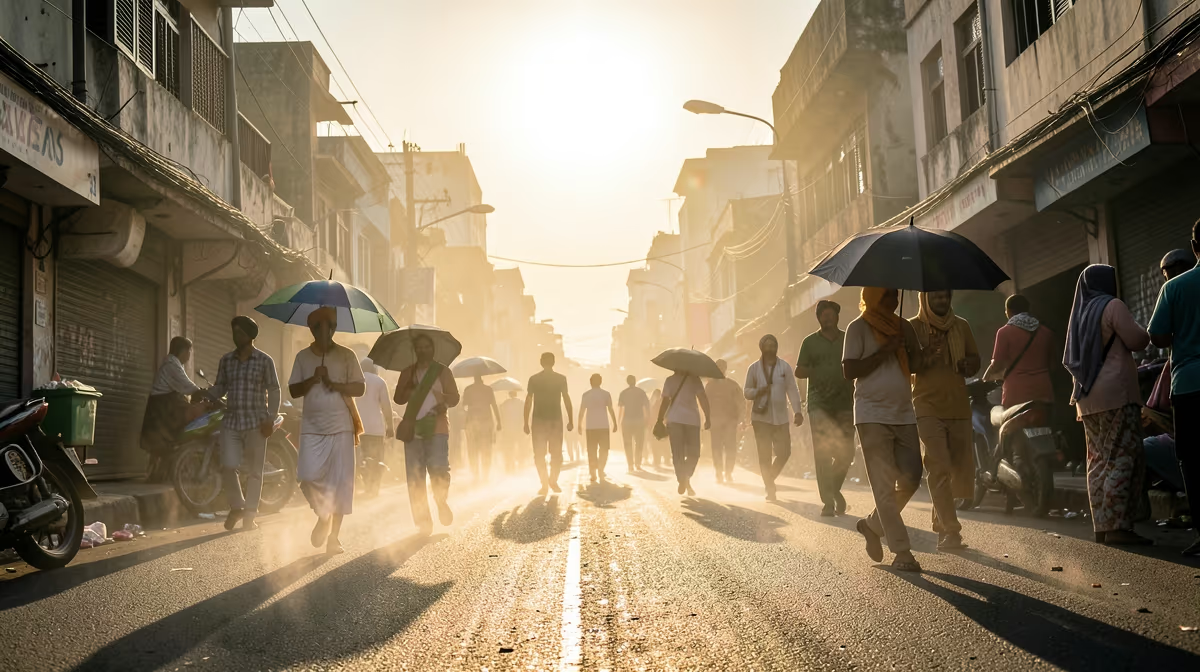
A massive dome of high-pressure air is quietly locking in extreme heat across the vast plains of western and central India, setting the stage for an intense meteorological challenge. As thermometers prepare to climb to dangerous levels, residents in western and central India must prepare for extreme weather as the latest IMD heatwave forecast Gujarat MP indicates dangerously high temperatures over the next few days. This shift in weather patterns demands immediate awareness, systematic public response, and targeted safety measures.
Extreme heat waves in Gujarat and Madhya Pradesh require immediate localized heat action plans to mitigate health risks and infrastructure strain.
The Meteorological Drivers Behind the Spikes
The sudden onset of extreme conditions across western and central India is not an isolated event. According to the meteorological department, these intense heatwaves typically occur during the pre-monsoon months, a transition period when atmospheric dynamics undergo a rapid transformation. The primary driver behind the rapid Gujarat temperature rise is the movement of dry, hot winds blowing from the west and northwest. These continental air masses travel across arid landscapes, heating up significantly before settling over regions like Gujarat and Madhya Pradesh, driving maximum temperatures well above normal averages for extended periods.
Historical parallels illustrate the recurring nature and intensifying severity of these meteorological shifts. The severe Indian heatwaves of 2015 and 2019 stand as critical benchmarks, having prompted widespread municipal heat action plans and revised public health advisories across the affected states. What makes the current cycle particularly notable is the rapid fluctuation in weather behavior. Earlier in the seasonal cycle, Gujarat experienced unusual weather shifts and highly volatile windy conditions, which caused localized disruptions such as flying tin sheets in areas like Surendranagar. These atmospheric irregularities, coupled with erratic forecasts for the upcoming monsoon, highlight a broader pattern of climate instability that complicates predictive modeling.
Tracking the Imminent Heatwave Timeline
The immediate window of concern spans the coming days, with weather agencies maintaining close observations of regional thermal changes. According to the India meteorological department update, the threat will unfold through a sequence of distinct phases as the high-pressure system consolidates.
| Phase | Operational Status | Regional Impact |
|---|---|---|
| Phase 1: Meteorological Warning | IMD issues advance weather alerts | Local administrations prepare heat action plans |
| Phase 2: Administrative Activation | Local authorities activate heat safety advisories | Public safety communications deployed, hospitals alerted |
| Phase 3: Sustained Heat Event | Temperatures peak over consecutive days | High strain on labor productivity, water supply, and power grids |
Over the next 24 hours, meteorological updates regarding rising temperatures are expected to circulate as the official advisory on heatwave conditions remains in effect. During the next 72 hours, regional authorities are likely to maintain active heat advisory guidance, closely tracking local temperature deviations. This period of sustained atmospheric heat requires continuous monitoring of weather patterns across the affected regions to prevent a sudden spike in casualties or severe public disruption.
The volatility of the region's climate is further underscored by historical data from later in the season. For instance, while Gujarat faces severe heat in the dry months, it has previously seen rapid transitions to extreme precipitation, such as the July alerts where a Red Alert was active in 24 districts alongside an Orange Alert in 10 districts. This dramatic contrast from dry heat to extreme rain emphasizes the complex challenges faced by weather forecasters.
Socioeconomic Fallout and the Hidden Costs
While public health remains the most immediate concern during a severe heatwave, the broader economic consequences are vast and multifaceted. Prolonged periods of extreme heat directly threaten agricultural sectors, leading to moisture loss in soils, reduced crop yields, and increased dependency on depleting irrigation sources. When temperatures remain elevated for several days, local water supplies face intense strain, threatening both residential access and commercial operations.
There is also a significant hidden economic angle to these weather patterns. The cascading strain of early-season heatwaves on localized labor productivity and small-scale trade logistics often goes understated in macroeconomic assessments, which tend to focus strictly on visible agricultural crop damage. Outdoor workers, who form the backbone of the construction and logistics sectors, experience forced downtime during peak hours, slowing down development and interrupting local supply chains.
Furthermore, as cooling demands rise, the regional power grid faces unprecedented pressure. This surge in electricity consumption drives up peak electricity demand, escalating operational costs for businesses and testing the resilience of local infrastructure. Even alternative energy sources face unique challenges during volatile seasonal transitions; for example, the efficiency of solar panels is known to fluctuate during periods of extreme rain and cloud cover, making grid management an intricate balancing act when the weather suddenly shifts.
Administrative Pressure and Policy Challenges
The physical reality of rising temperatures translates directly into severe administrative and political pressure for regional governments. State authorities in Gujarat and Madhya Pradesh are tasked with implementing comprehensive heat action plans under intense public scrutiny. This requires coordinating multiple sectors, including municipal corporations, public health departments, and emergency services.
Administrators must ensure an uninterrupted power supply to prevent public backlash over infrastructure gaps during extreme weather events. Managing water distribution networks to prevent scarcity in densely populated urban centers is another major challenge.
On a larger scale, these domestic climate stressors amplify regional resource competition, particularly over water sharing and energy allocation. The recurring threat of extreme temperatures heightens the urgency for robust national adaptation policies. These domestic strategies must align with global sustainability commitments, proving that localized heat action plans are not merely short-term fixes but essential components of a long-term national security and environmental resilience strategy.
Public Health and Safety Guidelines
The human cost of extreme heat is preventable, yet it remains a severe threat if advisories are ignored. The primary medical objective during these periods is heat stroke prevention, which requires active community cooperation and clear communication from health departments.
Heatwaves pose significant health risks, particularly leading to dehydration, heat exhaustion, and heatstroke, especially among vulnerable populations.
To minimize these risks, the meteorological department and health officials recommend several essential safety practices:
- Stay consistently hydrated by drinking adequate amounts of water throughout the day, even if you do not feel immediately thirsty.
- Limit outdoor activities, heavy physical labor, and direct sun exposure during peak afternoon hours when solar radiation is strongest.
- Wear light-colored, loose-fitting clothing to help the body regulate its temperature naturally.
- Keep living spaces as cool as possible by utilizing shades, curtains, or ventilation during the hottest parts of the day.
- Monitor vulnerable individuals, including children, elderly family members, and neighbors who may lack access to proper cooling systems.
Outdoor workers are advised to schedule heavy tasks during the early morning or late evening hours to avoid the most hazardous temperature windows. Local administrations are expected to establish cooling centers and ensure that medical facilities are equipped to handle an influx of heat-related emergencies.
Future Outlook and Scenario Assessments
As the India Meteorological Department continues to monitor atmospheric developments, analysts have outlined potential trajectories for the region over the coming days. The final outcome will depend heavily on the movement of regional wind currents and the efficiency of local administrative responses.
In the best-case scenario, temperatures will stabilize sooner than anticipated. This would significantly reduce the heat stress on the local population, minimize disruptions to daily labor, and alleviate the immediate strain on water resources and power grids.
Conversely, the worst-case scenario involves intensifying heatwave conditions that persist longer than forecast. A prolonged event of this nature would escalate public health risks, increase hospitalizations for heatstroke, deplete local water reserves, and potentially cause localized power outages due to grid overload.
Regardless of which scenario unfolds, the coordination between the India Meteorological Department, regional authorities, and local residents will remain the deciding factor in mitigating the impact of this extreme weather event.
Frequently Asked Questions
What did the IMD forecast for Gujarat and Madhya Pradesh over the next few days?
The India Meteorological Department (IMD) forecasted heatwave conditions to prevail across parts of Gujarat and Madhya Pradesh over the upcoming days. Such weather alerts highlight the persistent rise in temperatures affecting these regions during this period.
Why are heatwave forecasts in regions like Gujarat and MP important?
Heatwave forecasts are crucial for public health and safety, allowing local authorities and residents to prepare for extreme temperatures. High heat can lead to heat exhaustion, dehydration, and increased stress on water and power grids.
Who is most affected by the forecasted heatwave conditions?
Outdoor workers, children, the elderly, and individuals without access to adequate cooling or hydration are most vulnerable during intense heatwaves. Local communities in Gujarat and Madhya Pradesh are advised to take necessary precautions to avoid heat-related illnesses.
What happens next as the IMD heatwave alert continues?
Meteorological authorities will continue to monitor temperature trends and issue updated warnings if conditions worsen or persist. Residents should stay tuned to local weather updates and follow advisory guidelines provided by disaster management authorities.
What is the general background regarding weather volatility in Gujarat?
Gujarat frequently experiences varied weather extremes, ranging from unseasonal rains and strong winds to severe summer heatwaves. Official forecasts help communities anticipate these sudden shifts and mitigate potential disruptions to daily life and agriculture.
Are there other weather warnings typically associated with regional alerts in Gujarat?
Depending on the season, weather updates in Gujarat can range from red and orange alerts for heavy rainfall to high-temperature warnings issued by agencies like the IMD. Monitoring these varied alerts ensures that residents remain prepared for any sudden meteorological developments.
Conclusion
The upcoming days will test the resilience of both Gujarat and Madhya Pradesh as they confront the forecast heatwave conditions. With the India Meteorological Department maintaining active advisories, the focus remains on mitigating public health risks, safeguarding vulnerable demographics, and managing the high demand on public utilities. The situation highlights the critical need for robust localized heat action plans and swift community response to handle the ongoing temperature rise. Continuous observation of weather patterns will dictate the administrative steps required to ensure public safety and minimize socioeconomic disruptions across western and central India.
Sources
- સુરેન્દ્રનગરમાં ભારે પવનથી પતરાં ઊડ્યાં, ગુજરાતમાં હવામાન પલટાવાથી કેવી સ્થિતિ થઈ? #gujarat #surendranagar #weather — facebook.com
- Do Solar Panels Work in Cold and Rainy Weather Power Output Explained — sandesh.com
- ભારતમાં 2026નું ચોમાસું નબળું રહેશે? હવામાન વિભાગે શું આગાહી કરી? #weatherForecast #MonsoonForecast #Monsoon #RainUpdate #india — facebook.com
- Rain Forecast: હવામાન નિષ્ણાંત અંબાલાલ પટેલની મોટી આગાહી: આગામી 48 કલાકમાં ગુજરાતમાં ચોમાસું જામશે — YouTube
- IMD forecasts heatwave conditions in Gujarat, MP over next few days — Business Standard
- Gujarat Weather Update: Red Alert in 24 Districts Till 10 PM, Orange Alert in 10 Districts — sandesh.com


.webp)

.webp)