
Russian gold through Hong Kong exposes major western sanctions gaps
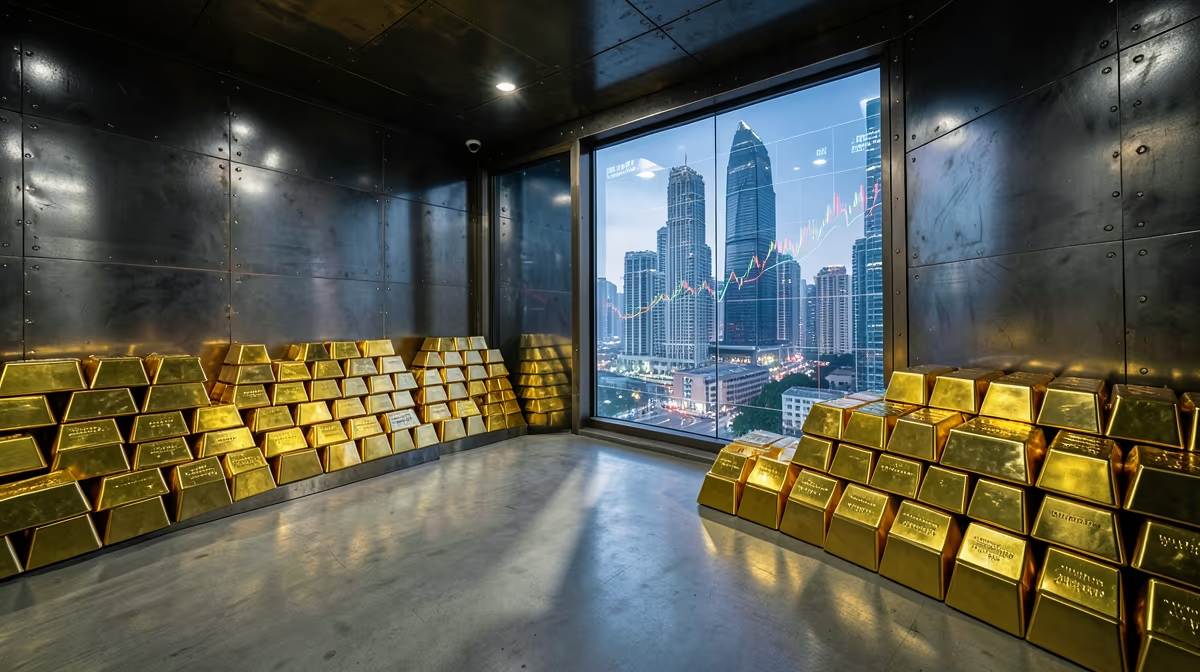
Recent trade data reveals that Russian gold through Hong Kong has surged significantly in the wake of western sanctions. Global trade routes and financial markets face new questions as economic embargoes drive precious metals through alternative international channels.
Shifting Trade Routes and Market Adaptation
In the wake of heavy Western sanctions targeting Russia's economy, a massive flow of Russian gold has shifted its route and is now pouring through Hong Kong. Western nations previously cut off direct trade channels to restrict Russia's financial resources following the invasion of Ukraine. However, global markets and trade networks constantly adapt to find loopholes and new pathways. By routing the precious metal through international financial hubs like Hong Kong, Russian assets continue to find buyers and liquidity. This movement demonstrates how global trade can bypass regional restrictions, raising fresh questions about the true effectiveness of unilateral economic sanctions in a deeply interconnected global economy.
Western sanctions on Russia have forced Moscow to redirect its lucrative commodities, particularly gold, away from traditional European financial hubs and toward permissive Asian jurisdictions. This trade shift underscores the fragmentation of the global economy into distinct blocs, demonstrating how non-aligned financial centers can serve as economic pressure valves for sanctioned states. Beyond official trade re-routing, the surge in gold flows through Hong Kong may signal the emergence of more deeply integrated, opaque bilateral financial networks between Russia and key Asian commercial centers designed to withstand future punitive measures.
Key Developments in Precious Metals Trade
- Russian gold has been flooding through Hong Kong following the implementation of Western sanctions
- Western nations previously imposed strict economic and trade restrictions on Russia due to the ongoing war in Ukraine
- The Financial Times reported on the significant shift of Russian gold trade routes toward Asian financial hubs
- The ongoing geopolitical conflict involving Russia, Ukraine, and Western allies continues to reshape global trade corridors
- International markets are adapting to sanctions by utilizing alternative jurisdictions to move valuable commodities
- Western nations implement sweeping sanctions targeting Russian financial institutions and commodity exports
- Trade data reveals a significant diversion of Russian gold shipments away from Western markets toward Asian transit hubs
- Flows through Hong Kong surge, exposing vulnerabilities in global compliance architectures and secondary sanctions enforcement
The redirection of Russian gold through Hong Kong highlights the creation of parallel financial channels, bypassing traditional Western-dominated payment systems and altering global precious metals trade flows.
Global Economic and Political Implications
When sanctioned commodities like gold find alternative routes through major financial hubs, it undermines the intended pressure of economic penalties designed to isolate a warring nation. This flow keeps vital revenue streams open, complicating international efforts to enforce compliance and restrict financial support for military conflicts. Global regulatory bodies, Western sanction-enforcement agencies, international financial institutions, and global gold markets are directly affected by these developments.
Western governments face mounting pressure to plug enforcement gaps in secondary sanction regimes, while authorities in alternative trade hubs like Hong Kong navigate a delicate balance between international compliance and economic opportunity. Historically, neutral or third-party intermediary hubs were utilized to evade commodity blockades during the Cold War. Today, these same patterns emerge as economic sanctions serve as tools used by governments to restrict trade and financial transactions with targeted nations to alter their political or military behavior.
When trade corridors shift to bypass economic embargoes, international regulatory frameworks face immediate stress to close compliance gaps and prevent secondary sanctions.
Future Outlook and Market Monitoring
Financial tracking and market analysis regarding the redirection of Russian gold flows through Hong Kong following Western sanctions will continue over the next 24 hours. Within the next 72 hours, heightened scrutiny from international financial monitors and regulators is expected regarding trade routes and sanction compliance concerning Russian assets in Asian markets. Market regulators, financial institutions, and trade authorities remain central to these developments.
- Transparent reporting and adherence to international regulatory standards prevent secondary sanctions while maintaining orderly commodity markets
- Escalating trade tensions and tighter secondary sanctions target financial intermediaries facilitating the movement of Russian gold through Hong Kong
Analysts expect increased pressure from Western governments on Asian financial centers to plug compliance gaps regarding redirected Russian commodities. Observers will monitor whether alternative transit points can sustain these volumes under potential secondary sanctions as western regulators attempt to close enforcement loopholes.
Frequently Asked Questions
Why is Russian gold flowing through Hong Kong?
In the wake of western sanctions restricting direct trade channels, alternative trade routes like Hong Kong have seen a significant surge in Russian gold flows. This shift reflects how global supply chains adapt to geopolitical pressures and financial restrictions imposed on Russia.
What impact are western sanctions having on Russian precious metals?
Western sanctions have severely disrupted traditional export markets for Russian commodities, forcing traders to redirect goods through jurisdictions that maintain different trade stances, such as Hong Kong. This redirection helps bypass direct western trade bans.
Who is affected by the rerouting of Russian gold?
Global bullion markets, international financial regulators, and trade hubs like Hong Kong are directly impacted by the influx of sanctioned commodities. Compliance officers and financial institutions must navigate increasingly complex supply chain transparency issues.
What happens next regarding Russian gold exports?
As western regulators attempt to close enforcement loopholes, trade hubs handling diverted Russian commodities may face increased scrutiny and pressure to tighten compliance. Observers will monitor whether alternative transit points can sustain these volumes under potential secondary sanctions.
What is the background of the sanctions driving these gold flows?
The sanctions were implemented by western nations following the escalation of the Russia-Ukraine conflict, targeting various sectors of the Russian economy including energy, finance, and precious metals. These broad economic restrictions aimed to isolate Russia from major global financial systems.
Which major news outlet reported on the Hong Kong gold surge?
The Financial Times provided detailed coverage on how Russian gold has been flooding through Hong Kong following the implementation of western sanctions. Their reporting highlights the changing geography of commodity trade under sanctions.
Conclusion
The surge of Russian gold through Hong Kong serves as a prime case study in the circumvention of Western economic sanctions. Verified reporting from the Financial Times confirms that traditional trade routes have shifted toward Asian hubs, challenging the intended isolation of Russia's financial resources. As financial monitors and market regulators track these developments, international frameworks face ongoing pressure to address enforcement gaps and adapt to evolving global trade corridors.
Sources
- Majority Russian-speaking city in Ukraine considers language ban in the arts — BBC
- Russian gold floods through Hong Kong in wake of western sanctions — Financial Times
- Ukraine war briefing: Zelenskyy links Russian strikes on Kyiv airports to US envoys’ visit — The Guardian
- Russian 'shadow fleet' tanker leaking oil into Arabian Sea after explosion — Sky News
- Ukraine war latest: US suggests timings for next steps on peace - as Putin praises Trump at envoy talks — Sky News
- Russia-Ukraine war: US envoys meet Putin in Moscow for Ukraine talks — BBC


