
Eye Drops Recalled Nationwide Over Sterility Fears That Threaten Vision
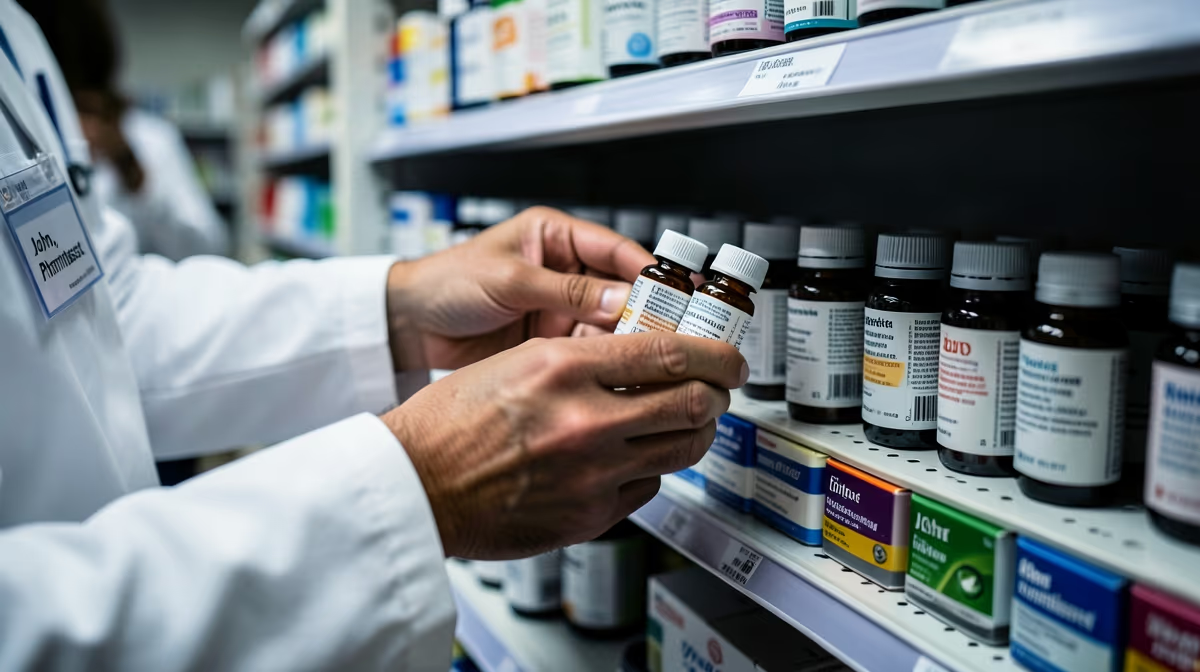
An invisible breach in the sterile manufacturing process has left hundreds of thousands of households vulnerable to potential ocular infections. Health regulators have issued a major eye drops recall FDA sterility concerns affecting over half a million bottles nationwide, targeting products that bypass the body’s most robust natural defenses. This urgent safety action highlights a significant failure in the manufacturing and supply chain of over-the-counter vision products, prompting immediate removal of inventory from some of the country’s largest retail pharmacies.
The scope of the safety alert encompasses more than 500,000 individual units, ranging from popular brand-name solutions to store-brand staples found in medicine cabinets across the United States. Federal agencies have confirmed that the recall was triggered by growing sterility concerns, identifying that these solutions may not be as germ-free as required for safe medical administration. As retailers like Walgreens begin the process of purging their shelves, the focus has shifted to the underlying quality control failures that allowed potentially contaminated products to reach the hands of consumers.
Using non-sterile eye products can introduce harmful bacteria or fungi straight into the eye, potentially leading to severe infections, temporary vision impairment, or even permanent vision loss if left untreated.
The Mechanics of Ophthalmic Risk
The human eye is one of the most sensitive and vulnerable parts of the body, lacking the same protective barriers that guard the skin or the digestive tract. Because eye drops are applied directly to the surface of the eye, they must meet the highest possible standards of purity. The U.S. Food and Drug Administration (FDA) maintains rigorous monitoring of pharmaceutical manufacturing processes precisely because eye and ear products bypass natural defense barriers. When a product is labeled as "non-sterile," it signifies a breakdown in the aseptic processing standards that are essential to prevent the growth of harmful microorganisms.
Bacterial contamination or the presence of fungi in an ophthalmic solution creates an immediate hazard. Consumers using these products are at risk of developing serious ophthalmic infections. While no specific contamination-related illnesses have been officially highlighted in the immediate reports, the recall is being treated as a critical precautionary measure. For those who rely on over-the-counter relief for dry eyes or irritation, the discovery that their medication may harbor pathogens is a stark reminder of the hidden risks within the pharmaceutical supply chain.
Scale and Retail Impact
The volume of this recall is particularly notable, involving over half a million bottles distributed through diverse channels. Among the most prominent products affected are those sold under the Walgreens brand name, a staple for millions of American shoppers. However, the recall is not limited to a single retailer; it includes bottles sold under several well-known brand names, making it a widespread issue for the retail pharmaceutical sector.
Retailers are currently in the midst of a massive logistics effort to identify and remove the affected batches. The primary focus is on over-the-counter vision products, which are often purchased by consumers without a prescription. This "private-label" model means that multiple brands may actually originate from the same manufacturing source, explaining why a single sterility failure can ripple across various store shelves simultaneously. Shoppers who have purchased eye drops recently are being urged to check their supplies immediately, looking for specific batch and brand details provided by safety authorities.
Identifying Affected Products
Consumers are advised to perform a thorough audit of their medicine cabinets. The recall involves multiple variations of eye-drop products, and the FDA has urged the public to stop using any impacted items. Retailers like Walgreens are expected to update their customers on return procedures and provide guidance on how to secure refunds for the potentially hazardous products.
- Check the product brand name on the front of the bottle.
- Locate the lot or batch number, usually found on the side or bottom of the packaging.
- Cross-reference these details with official FDA and retail safety warnings.
- Immediately discontinue use if the product matches the recall list.
Manufacturing and Supply Chain Vulnerabilities
Industry analysts point toward manufacturing quality control failures as the root cause of this massive disruption. Specifically, compromised aseptic processing standards within contract pharmaceutical facilities appear to be the catalyst. These facilities are responsible for supplying major retail brands, creating a situation where a single point of failure can impact a significant portion of the market. This structural reliance on centralized, third-party contract manufacturers creates a systemic dependency that makes the entire supply chain vulnerable.
The political and regulatory implications of this recall are substantial. There is increasing scrutiny on the FDA’s oversight of these facilities, with mounting pressure on public health agencies to enforce stricter manufacturing compliance and supply chain transparency. This is not just a domestic issue; it highlights a geopolitical angle regarding the vulnerability of pharmaceutical supply chains and the need for better oversight of specialized facilities that produce critical medical products.
Analysts expect heightened scrutiny on over-the-counter ophthalmic product manufacturing and a surge in consumer return inquiries at major retail pharmacies.
Historical Context and Industry Patterns
This event bears a striking historical parallel to the global eye drop recalls of 2023. During that period, bacterial contamination and manufacturing lapses prompted widespread regulatory investigations into sterile production lines. The current situation suggests that despite previous warnings, some segments of the industry continue to struggle with maintaining the rigorous standards required for ophthalmic production.
The economic fallout for major retailers and private-label distributors will likely be significant. Beyond the immediate loss of inventory, companies like Walgreens face brand damage and the substantial costs associated with reverse supply chains, logistics, and consumer refunds. This repeat of history underscores the need for a more resilient and transparent manufacturing framework for over-the-counter medications.
| Stage of Development | Key Event and Action Taken |
|---|---|
| Initial Quality Flags | Quality assurance testing identifies potential lack of sterility in specific batches. |
| FDA Proclamation | Official nationwide recall announced for over 500,000 eye-drop bottles. |
| Retail Disruption | Walgreens and other major outlets pull affected inventory from shelves. |
| Investigative Phase | Regulatory bodies and manufacturers begin root cause analysis of contamination. |
Future Outlook and Expert Predictions
Looking ahead, the next 24 to 72 hours will be critical for both retailers and consumers. Retailers are expected to finalize the removal of non-sterile bottles from all store shelves and provide clear instructions for consumer returns. Meanwhile, consumers will likely continue to flood customer service lines as they verify their lot numbers and seek professional advice.
In the best-case scenario, the affected products are swiftly removed with no reported adverse health incidents, and retailers manage the refund process with high efficiency. However, the worst-case scenario involves consumers continuing to use contaminated drops due to a lack of awareness, leading to an increase in reported infections and subsequent legal or regulatory investigations. Experts predict that this event will lead to a surge in demand for more transparent manufacturing data, as public health advocates and medical professionals push for a transformation in how over-the-counter medication is monitored.
Public Health and Medical Oversight
Medical professionals tracking FDA product recalls are particularly concerned about the "silent" nature of this risk. Unlike a product with a visible defect, a non-sterile solution looks and feels identical to a safe one. This makes public communication essential. Health officials are expected to issue further warnings regarding the specific risks of non-sterile ophthalmic products, emphasizing that even a single application of a contaminated drop can introduce pathogens directly into the eye.
The ongoing monitoring of this situation by federal agencies will likely involve deep-dive inspections of the contract manufacturing facilities involved. The goal is not only to retrieve the impacted items but also to ensure that the manufacturing failures are addressed at the source. Until these investigations are complete, the safety of the broader over-the-counter eye care market remains a high-priority concern for regulatory bodies and consumer advocacy groups.
Frequently Asked Questions
What prompted the major eye drop recall?
Over half a million eye drop products have been recalled due to serious sterility concerns identified by the FDA. These issues mean the products may not be sterile, potentially risking consumer health.
Which brands and stores are affected by the eye drop recall?
The recall impacts bottles sold under several different brand names, including popular products found at major retailers like Walgreens. Consumers are advised to check specific brand listings to see if they possess an affected batch.
Why are non-sterile eye drops dangerous?
Using non-sterile eye drops poses a significant health risk because the eye is highly susceptible to infections. Introducing contaminated products directly into the eye can lead to severe irritation, vision loss, or other complications.
How many eye drop products are included in the recall?
More than 500,000 individual eye-drop products are part of this massive recall. The widespread distribution spans multiple brand names and retail outlets across the United States.
What should I do if I have the recalled eye drops?
If you own any of the recalled eye drops, you should immediately stop using them. Consumers can typically check the product names and lot numbers against official FDA announcements and return them to the place of purchase for a refund.
Are there more eye drop recalls happening recently?
Yes, this recall follows a series of recent safety alerts and recalls involving various batches of over-the-counter and prescription eye drops. Regulatory agencies continue to crack down on manufacturing and sterility standards in the industry.
Conclusion
The recall of over 500,000 eye drop units stands as a significant warning about the fragility of the sterile manufacturing supply chain. With major retailers like Walgreens pulling products and the FDA sounding the alarm on sterility concerns, the immediate priority remains consumer safety and the removal of potentially infectious solutions from the market. While no illnesses have been officially confirmed in the initial reports, the risk of severe ocular damage necessitates an immediate response from anyone possessing the affected bottles. This event underscores the urgent need for heightened manufacturing compliance and more robust regulatory oversight to prevent future breaches in pharmaceutical safety. Moving forward, the focus will remain on identifying the root causes at contract manufacturing facilities and ensuring that consumers are fully informed of the risks associated with non-sterile ophthalmic products.
Sources
- Over half a million eye drops recalled. See affected products — usatoday.com
- Eye drops recall: Bottles sold under several brand names may not be sterile, FDA says — LiveNOW from FOX
- Popular eye drops sold at Walgreens recalled over sterility concerns — yahoo.com
- More Than 500,000 Eye-Drop Products Recalled, Including Walgreens Brand, Due to Sterility Concerns — People.com
- Yet Another Batch of Eye Drops Are Being Recalled — Newser
- Massive recall on eyedrops that may not be sterile — FOX 8 News


.webp)
