
Russia Plague Outbreak Triggers White House Alarm As Scientists Face Quarantine
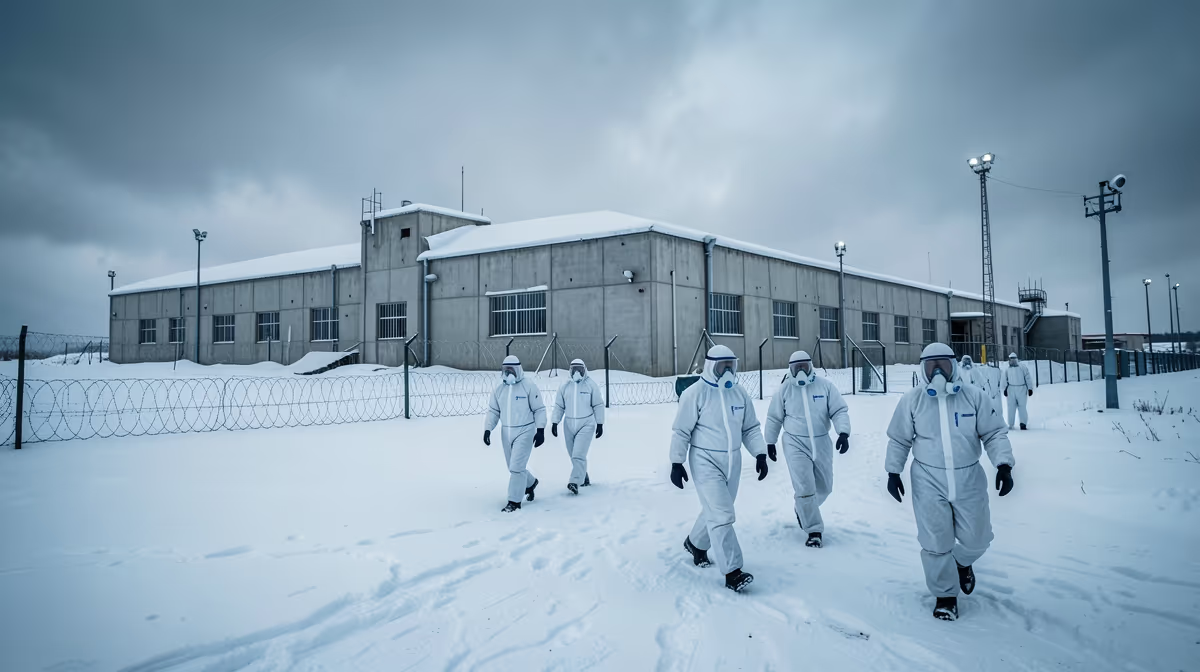
The silent movement of high-consequence pathogens across borders remains one of the most pressing challenges for global intelligence agencies and health organizations. The White House is currently closely monitoring a suspected Russia plague outbreak involving the dangerous bacterium *Yersinia pestis*, a development that has triggered significant concern within international public health and security circles.
The death of a lab researcher in Siberia has triggered an international security watch, placing nearly 200 people under observation and forcing a re-evaluation of biosecurity protocols.
The Crisis in Irkutsk
The situation originated in the Siberian city of Irkutsk, where the tragic death of a laboratory worker from the plague has sparked intense regional panic. According to reports from the region, the individual was a researcher handling the pathogen within a controlled environment before succumbing to the infection. This localized event quickly escalated as health authorities identified a large circle of potential exposure.
Currently, nearly 200 people have been placed under strict medical observation and quarantine measures. This group includes close contacts of the deceased researcher and other laboratory personnel who may have been exposed to the risk. The rapid move to isolate such a large number of individuals underscores the perceived severity of the incident and the high stakes involved in containing *Yersinia pestis*.
The Pathogen: Yersinia Pestis
The plague is caused by the bacterium *Yersinia pestis*, a pathogen with a long and devastating history of causing severe disease outbreaks globally. While modern public health protocols typically rely on quick isolation, contact tracing, and the administration of antibiotics to manage suspected exposures, the nature of the current suspected outbreak in Russia has raised specific alarms.
Reports indicate that the primary concern in this instance surrounds pneumonic plague. This form of the disease is considered particularly serious because it affects the lungs and can be spread through the air between humans via respiratory droplets. Unlike the bubonic plague, which is typically transmitted via flea bites, the pneumonic variant’s potential for human-to-human transmission necessitates the rigorous quarantine protocols currently seen in Irkutsk.
Global Surveillance and the White House Response
The involvement of the White House and other international intelligence bodies reflects a heightened global sensitivity toward biological security risks originating from state-managed research facilities. Public health security is no longer viewed solely as a domestic issue but as a critical component of international relations and biosecurity.
International authorities are keeping a close eye on the situation due to the potential for cross-border health implications. The speed with which infectious diseases can traverse the globe means that transparent communication and global tracking are essential for public safety. Intelligence followers and global affairs analysts are particularly focused on how Russian regional authorities handle the containment and whether the information being shared with the international community is accurate and timely.
International Media Coverage
The unfolding situation has gained significant traction across major global news outlets. Reports from Axios, Euronews, and The Moscow Times have highlighted the public health protocols being enacted locally. Additional coverage from India Today, Hindustan Times, and Mother Jones has further emphasized the international concern surrounding the death of the researcher and the subsequent quarantine of hundreds of citizens.
Security and Geopolitical Dimensions
The incident in Irkutsk has opened a broader dialogue regarding the security of biological research installations. Domestic pressure is mounting on Russian authorities to ensure absolute transparency regarding biosafety protocols and lab safety standards. The fact that a researcher succumbed to a pathogen they were studying suggests a possible breach in containment or a failure in safety procedures, raising questions about the management of dangerous pathogens in modern research settings.
Any potential outbreak involving dangerous pathogens like the plague draws immediate international concern because of how rapidly infectious diseases can spread across borders, making global monitoring and transparent communication critical for public safety.
Historical Parallel: Sverdlovsk 1979
Analysts point to a significant historical parallel: the 1979 Sverdlovsk anthrax leak. That incident similarly heightened international anxiety and highlighted the geopolitical risks associated with domestic biological research facilities in Russia. The current suspected plague outbreak may accelerate diplomatic friction or lead to renewed demands for international oversight regarding the security of research installations handling dangerous pathogens, whether they are modern or Soviet-era legacies.
| Event Stage | Action Taken |
|---|---|
| Lab Incident | Researcher in Irkutsk dies from *Yersinia pestis* exposure. |
| Immediate Response | Nearly 200 individuals placed under strict medical observation. |
| International Phase | White House and global health bodies initiate active monitoring. |
| Diplomatic Aspect | Increased scrutiny on Russian biosafety and lab standards. |
Economic and Regional Impacts
Beyond the immediate health crisis, there are potential economic ramifications to consider. If containment efforts face challenges or if panic spreads across regional trade hubs in Siberia, localized disruptions could emerge. This might lead to heightened border vigilance or trade restrictions if the situation is perceived to be unstable.
The region of Irkutsk serves as an important node in Siberian trade and logistics. Any prolonged quarantine or expansion of the "observation zone" could impact the movement of goods and people, though authorities are currently focused on the public health priority of preventing secondary infections among the quarantined individuals.
Predicting the Next Phases
The next few days will be critical for determining the trajectory of this outbreak. Over the next 24 hours, Russian authorities are expected to continue their intensive monitoring in Irkutsk while international bodies like the White House review intelligence reports to assess the risk of spread.
Short-Term Outlook
- Next 72 Hours: Health officials are expected to release updates on the health status of the nearly 200 people under observation. This will clarify whether the pathogen has moved beyond the initial exposure.
- Containment Evaluation: Global health monitors will evaluate the effectiveness of the containment measures surrounding the suspected pneumonic plague.
- Biosafety Scrutiny: Analysts expect increased scrutiny on biosafety protocols, with potential calls for heightened border monitoring if local measures face challenges.
Best and Worst Case Scenarios
In the best-case scenario, the individuals currently under observation will test negative or remain asymptomatic, confirming that the outbreak was successfully contained to the single laboratory worker. This would validate the swift quarantine measures and prevent further international escalation.
Conversely, the worst-case scenario involves the suspected plague spreading beyond the initial quarantine protocols in Irkutsk. Such a development would likely prompt broader international travel restrictions and heightened global health alerts, as the threat of pneumonic plague transmission becomes a more widespread concern.
Frequently Asked Questions
What caused the suspected plague outbreak in Russia?
The situation follows the tragic death of a lab researcher and worker in Siberia, specifically in Irkutsk, who reportedly died from the plague. This incident sparked immediate concern and health monitoring across the region.
Why is the White House monitoring the situation in Russia?
International authorities and the White House are keeping a close eye on the suspected plague outbreak due to the severe nature of the disease and potential cross-border health implications. Global tracking helps ensure that any contagious threats are properly assessed and contained.
Who is affected by the quarantine measures in Russia?
Nearly 200 people have been placed under observation and quarantine following the lab worker's death from the plague. These individuals include close contacts and others who may have been exposed to the risk.
What happens next regarding the plague monitoring?
Health officials are continuing to monitor those under observation and investigating the exact circumstances surrounding the lab incident. Further containment protocols will depend on whether any secondary infections emerge among the quarantined individuals.
What kind of plague is associated with the Russia outbreak?
Reports indicate concerns surrounding pneumonic plague, which is caused by the bacterium Yersinia pestis. This form of the disease is particularly serious because it can spread through the air between humans.
Where did the suspected plague incident take place?
The incident centers around a laboratory in Irkutsk, Siberia, where a researcher succumbed to the infection. The localized outbreak has triggered widespread panic and heightened safety measures throughout Russia.
Conclusion
The suspected plague outbreak in Irkutsk has placed the intersection of public health and international security under a global spotlight. While the death of the laboratory researcher is a localized tragedy, the potential for *Yersinia pestis* to spread has necessitated a massive quarantine effort involving nearly 200 people. The White House’s active monitoring of the situation underscores the geopolitical sensitivity of biological risks and the need for transparency in laboratory safety protocols. As the observation period continues, the international community remains focused on whether the containment measures in Siberia will hold, or if this incident will lead to broader diplomatic and health challenges. Realistic next steps include the release of medical data for those in quarantine and a thorough investigation into the biosafety breach at the Irkutsk facility.
Sources
- Scoop: White House monitors suspected plague outbreak in Russia — Axios
- Has plague returned to Siberia? Panic in Russia after death of lab worker — Euronews.com
- Nearly 200 People Under Observation After Irkutsk Lab Worker Dies From Plague — The Moscow Times
- Plague outbreak in Russia? Hundreds quarantined after death of lab researcher — India Today
- Russia plague outbreak: What is pneumonic plague caused by Yersinia pestis? White House monitors situation | Hindustan Times — Hindustan Times
- Reports of a Plague Outbreak in Russia Follow the Death of a Researcher — Mother Jones


.webp)
