
India Census 2027 Officially Launches With A Major Digital Shift Today
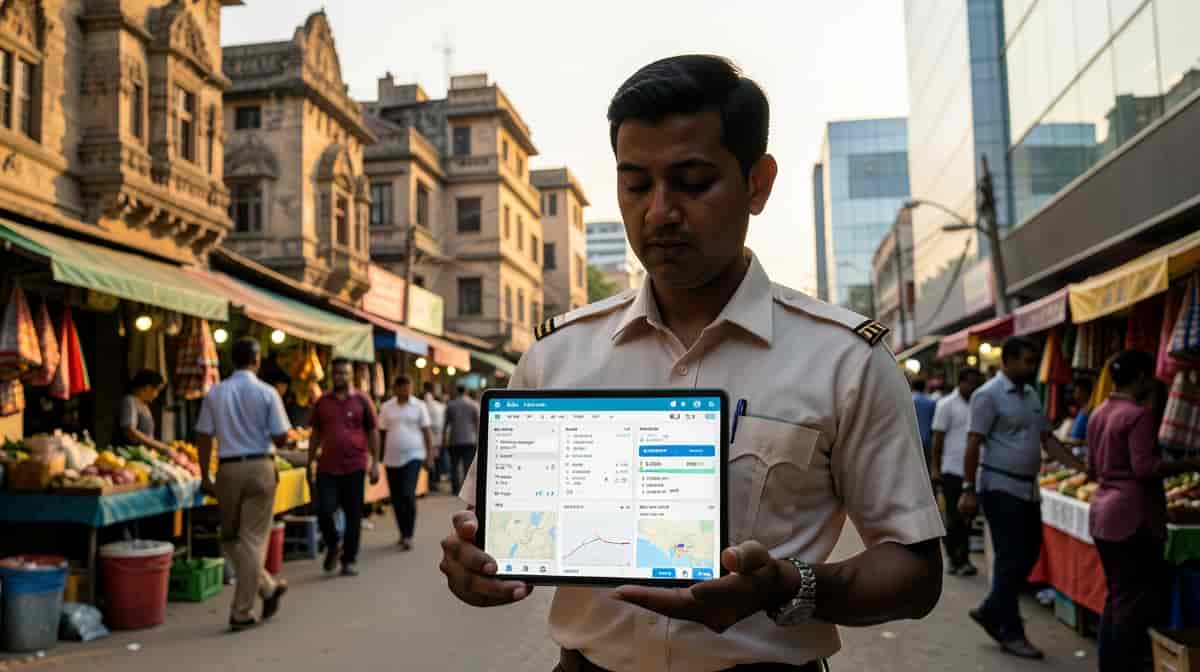
The massive administrative machinery of the world's most populous nation has shifted into high-tech gear as the Census 2027 India officially commences today. This transition marks the end of the traditional paper-heavy era, replacing it with a sophisticated digital framework designed to capture the demographic heartbeat of a rapidly evolving society.
For the first time in its history, the country is undertaking a fully digital census India exercise, a monumental shift that aims to streamline data collection across every state and territory. This modern approach is expected to significantly enhance the efficiency of an administrative task that has long been regarded as one of the most complex peacetime operations globally. By moving away from manual entry, the government intends to reduce the time lag between data collection and policy implementation, addressing a critical need for updated population enumeration India statistics that have been absent since the onset of the pandemic.
The transition to a digital census represents a critical pivot in India’s governance, aiming for precision in resource allocation while simultaneously igniting intense debates over data privacy and the representation of social identities.
The Technological Evolution of the Household Count
The pivot to a fully digital enumeration platform is more than just a logistical update; it is a fundamental restructuring of how the state interacts with its citizenry. Under the new digital census India framework, enumerators will utilize mobile applications and centralized portals to record household data in real-time. This system is designed to provide immediate validation of entries, theoretically reducing the human error associated with transferring data from paper forms to digital databases.
The house listing operations and subsequent population count are expected to integrate with existing digital infrastructure. This shift is intended to help the Registrar General manage the staggering volume of data generated by more than 1.4 billion residents. Beyond mere counting, the digital tools are equipped to handle complex socioeconomic indicators, which are vital for the execution of government programs and welfare schemes.
Methodological Refinements and Predictive Text
One of the most notable technical updates in the Census 2027 questionnaire involves the treatment of religious identifiers. In a departure from previous methodologies, the 'Other' religions category now features predictive text functionality. While intended to speed up the enumeration process, this change has also seen the removal of over 200 entries from the earlier list of recognized religious categories. This consolidation aims to streamline the interface for field staff but has also sparked discussions among analysts regarding the potential homogenization of granular social identities.
Regional Milestones and the Rollout Schedule
While the nationwide push officially begins today, the Census 2027 India rollout has been characterized by phased activities in specific regions to test the robustness of the digital systems. Administrative coordination has been particularly intense in states like Punjab, where Phase-II population enumeration began as early as mid-November.
| Key Date | Milestone Achievement |
|---|---|
| November 16, 2026 | Phase-II Population Enumeration begins in Punjab |
| November 18, 2026 | Disclosure of predictive text updates and religion list reductions |
| November 20, 2026 | Official nationwide launch of digital Census 2027 |
The early launch in Punjab provided a glimpse into the logistical scale required for the broader national effort. These regional phases serve as a barometer for technical stability, ensuring that the centralized servers can handle the simultaneous input of millions of data points once the exercise goes live across all 28 states and 8 union territories.
Impact on the Educational Workforce
The execution of the census relies heavily on a massive field force, primarily composed of government personnel. School teachers form the backbone of this operation, often serving as the primary enumerators who conduct door-to-door visits. The sheer scale of the 2027 exercise has necessitated significant adjustments to the daily routines of these educators.
- Millions of government personnel have been mobilized for election-style census duty.
- Deployed teachers are facing direct changes to their regular work schedules.
- Administrative discussions are ongoing regarding the granting of special leave for those involved in rigorous field duties.
- Training sessions have been conducted to familiarize the workforce with the new digital enumeration software.
The deployment of the teaching workforce has raised concerns regarding the continuity of the education sector during the enumeration period. Authorities are currently navigating these logistical strains, attempting to balance the urgent need for demographic data with the functional requirements of the public school system.
Socio-Political Tensions and Rights Concerns
Despite the administrative goals of the census, the 2027 exercise is unfolding against a backdrop of significant social and political scrutiny. Rights groups have raised concerns that the data collected during this digital census could pave the way for a nationwide National Register of Citizens (NRC). These organizations have directed warnings toward international bodies, including the United Nations, suggesting that the enumeration process could be used to target specific minority groups, particularly Muslims.
The technical shift toward predictive text and automated category reduction in religious and ethnic identifiers could inadvertently homogenize granular social identities, quietly altering administrative minority tracking.
This intersection of demographic data collection and national identity policy has made the 2027 Census one of the most debated administrative acts in recent years. Critics argue that the reduction of religious categories and the digitization of household records create a framework that could be leveraged for future exclusionary policies. Conversely, the government maintains that the updates are purely for technical efficiency and to ensure the most accurate data for resource planning.
Strategic Value in a Post-Pandemic Landscape
The 2027 Census is widely regarded as critical due to the long delay caused by the Covid-19 pandemic and subsequent administrative restructuring. For nearly a decade, India has relied on outdated 2011 figures or varied projections to plan its massive infrastructure and welfare programs. The lack of current data has hindered the government’s ability to respond to shifting demographic trends and socioeconomic needs.
The current enumeration exercise is essential for: 1. Accurate allocation of fiscal resources across state and central governments. 2. Effective planning of healthcare and educational infrastructure based on current population density. 3. Understanding the internal migration patterns that were drastically altered during the pandemic years. 4. Refinement of public distribution systems and social safety nets for millions of citizens.
Future Projections and Administrative Trajectory
As the digital census rolls out across the country, the next 24 to 72 hours are expected to be a critical testing period for the digital infrastructure. Administrative coordination will intensify as regional authorities manage the deployment of staff and monitor the stability of the digital portals.
Analysts expect initial technical teething issues as the transition to a fully digital enumeration exercise faces the reality of diverse geographical terrains and varying levels of internet connectivity. In a best-case scenario, the transition proceeds smoothly with high participation rates and minimal technical disruptions. However, a worst-case scenario would involve significant technical glitches on the digital platforms and heightened logistical strains on the deployed workforce, leading to administrative delays.
International observers and rights groups will likely continue to monitor the framework, looking for long-term implications on domestic policy. The success of this massive undertaking will depend not only on the technology itself but also on the public's trust in how their sensitive data is categorized and utilized for the nation’s future.
Frequently Asked Questions
What is Census 2027 and when did it begin?
Census 2027 is India's largest enumeration exercise, marking a significant shift as it goes entirely digital for the first time. The rollout began with Phase-II population enumeration activities commencing in mid-November 2026 across various regions.
Why is the 2027 Census critical for India?
The upcoming census is considered critical because it follows disruptions and delays, particularly after the Covid-19 pandemic, making updated demographic data essential for policy planning. Experts and publications have highlighted its importance in capturing accurate socioeconomic indicators after a long gap.
Who is affected by the deployment for Census 2027?
Government personnel, notably teachers, have been heavily deployed across states to execute the massive enumeration exercise. Due to the rigorous fieldwork involved, discussions have arisen regarding granting special leave to these deployed teachers.
What are some of the key updates in the Census 2027 questionnaire?
Notable updates include changes to the 'Other' religions list, which now utilizes predictive text features while omitting over 200 older entries from previous iterations. These adjustments aim to streamline data collection during the digital enumeration process.
What happens next as the digital census rolls out?
Following the initial rollout phases, enumerators will collect comprehensive household and demographic data digitally across the country. Authorities will continue monitoring the nationwide exercise to ensure seamless data integration and address logistical challenges faced by field staff.
Are there any concerns or controversies surrounding Census 2027?
Rights groups have raised concerns regarding the broader implications of the exercise, with some warning that it could potentially pave the way for a nationwide National Register of Citizens (NRC). Authorities and various stakeholders continue to debate the administrative and social ramifications of these interconnected processes.
Conclusion
The launch of the **Census 2027 India** marks a historic moment in the nation's journey toward digital governance. By digitizing its largest enumeration exercise, the country is attempting to modernize a legacy system that defines how it allocates resources and understands its people. While the technological shift offers the promise of efficiency and faster data processing, the administrative rollout is being met with significant logistical challenges and socio-political debate. As the enumeration progresses through its various phases, the focus will remain on the reliability of the digital framework and the government’s ability to navigate the complex landscape of representation and rights. The next few weeks will be pivotal in determining whether this digital transition can deliver the accurate, inclusive data required for India's post-pandemic future.
Sources
- Census 2027 could pave way for nationwide NRC targeting Muslims, rights group warns UN — Maktoob
- A new book explains why the 2027 Census is critical, especially after the Covid-19 pandemic — Scroll.in
- Census 2027 begins today; India’s largest enumeration exercise goes digital — DD News
- Teachers deployed for Census 2027 may be granted special leave — The Times of India
- Census-2027 Phase-II Population Enumeration to Begin in Punjab from November 16 — News On AIR
- Census 2027: ‘Other’ religions list made predictive text, over 200 entries from earlier list dropped — The Hindu


