
Kimi Antonelli F1 Stunner In Mexico City Shakes Motorsport Grid
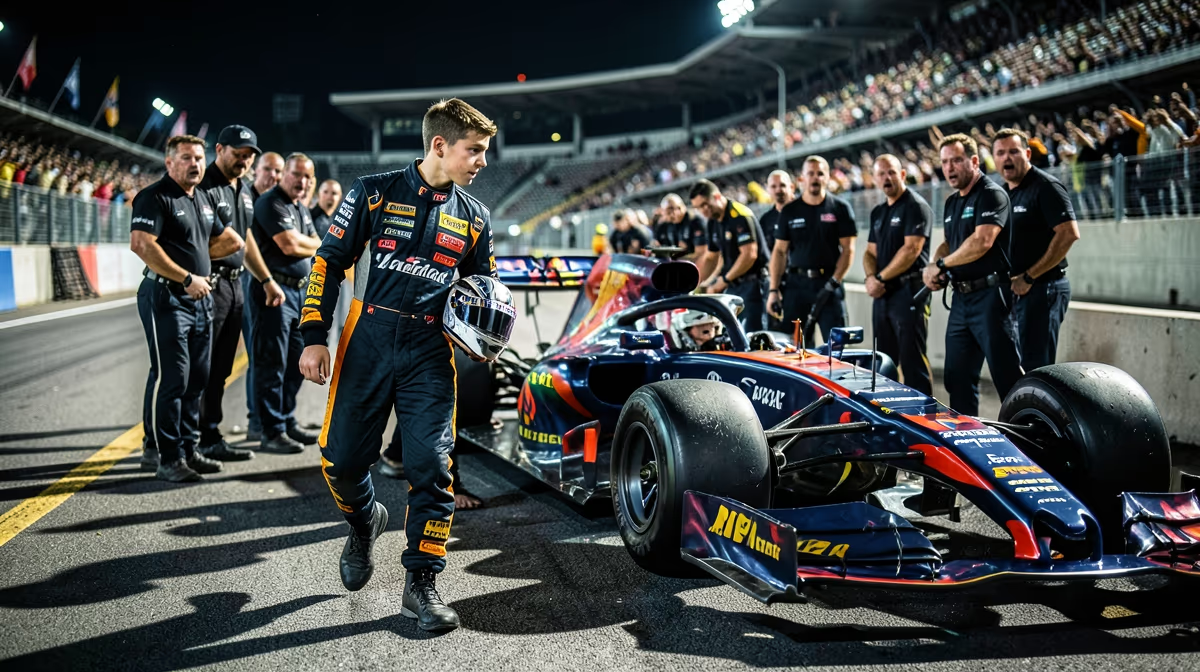
A generational shift in motorsport reached its definitive climax under the thin air of the Autódromo Hermanos Rodríguez. When the checkered flag fell, a tactical third-place drive proved sufficient to rewrite the record books, establishing Kimi Antonelli as the youngest Formula 1 world champion in the history of the sport.
The achievement permanently alters the traditional timeline of elite racing progression. As Kimi Antonelli F1 champion headlines circulated worldwide following reports confirmed on November 1, 2026, the sporting world confronted an unprecedented reality: a teenager progressing through junior ranks and capturing motorsport’s most demanding prize before the industry believed it possible. The outcome at the Mexico City Grand Prix concluded an intense campaign where precision under immense pressure neutralized every veteran challenge across a grueling calendar.
Kimi Antonelli has officially become the youngest world champion in Formula 1 history by securing a decisive third-place finish at the Mexico City Grand Prix.
Triumph at High Altitude: The Mexico City Grand Prix
The decisive race at the Mexico City Grand Prix demanded an exceptional balance of mechanical sympathy and tactical composure. Operating on a circuit renowned for its extreme altitude, engine cooling challenges, and reduced aerodynamic downforce, the event placed unique demands on every competitor. Securing the world championship required a measured execution rather than reckless aggression.
Antonelli delivered a tactical and composed drive throughout the afternoon. Knowing that a podium position would mathematically put the seasonal title out of reach for his rivals, he navigated the technical, high-altitude layout by managing tire degradation and race pace with veteran maturity. Rather than becoming embroiled in unnecessary wheel-to-wheel hazards, Antonelli maintained third position through strategic pit windows and careful sector pacing, crossing the finish line to claim the podium that guaranteed the championship.
By finishing in third place during a tense Mexico City Grand Prix, Antonelli secured enough points to put the seasonal title out of reach for all competitors.
This clinical execution confirmed that raw speed alone did not deliver the championship; rather, an ability to manage equipment, track variables, and strategic mandates under maximum global scrutiny defined the breakthrough.
The Mechanics of a Meteoric Rise
The path to the world championship was forged through an accelerated talent pipeline designed to identify and refine elite capability early. Antonelli’s journey bypassed traditional developmental bottlenecks that historically kept emerging drivers waiting in reserve roles for seasons.
| Milestone Stage | Career Progression Phase | Strategic Outcome |
|---|---|---|
| Junior Formula Dominance | Rapid ascent through feeder series | Recruitment into the Mercedes junior team development system |
| Top-Tier Promotion | Securing a competitive Formula 1 seat | Immediate transition into frontline championship contention |
| Championship Decider | Mexico City Grand Prix podium | Crowned the youngest world champion in Formula 1 history |
Antonelli’s dominance across junior formula categories provided undeniable evidence of generational racecraft, prompting his recruitment into the Mercedes junior team program. The momentum established in those formative single-seater categories allowed him to secure a frontline, competitive race seat without the prolonged transition periods that once characterized the sport. His rapid acclimation culminated in the championship-winning drive in Mexico City, mirroring the historical parallel established when Max Verstappen first disrupted Formula 1’s structural norms as its youngest competitor.
Boardroom Gambles and the Pivot to Youth
Behind Antonelli’s on-track success lies a fundamental ideological shift across team principal dynamics and internal boardroom politics. Elite motorsport organizations have historically prioritized veteran stability, relying on experienced drivers to secure constructor points and maintain baseline commercial safety.
Antonelli’s championship vindicates a high-stakes operational pivot toward backing generational youth over established veterans. Team leadership and executive boards decisively opted to reallocate premier resources to an unproven rookie, banking on raw ceiling over predictable tenure. This tactical bet has reshaped influence structures across the paddock, altering how constructors evaluate seat allocation in an era where dynamic driving talent can instantly offset years of veteran experience. The backdrop of high-profile paddock moves, including the wider dynamics surrounding Max Verstappen and Lewis Hamilton, highlights an environment where established orders are aggressively challenged by rapid youth integration.
Commercial Explosions and Emerging Market Dynamics
The economic consequences of crowning the youngest champion in Formula 1 history are already reverberating across global sports business. Milestone records of this magnitude unlock transformative commercial value for constructors, sponsors, and commercial rights holders alike.
- Surging global marketability driven by historic, youngest-ever sporting milestones
- Accelerated merchandising pipelines and premium licensing opportunities
- Heightened brand equity and direct sponsor valuation uplifts for the team
- Reinforced international reach across high-growth spectator regions
Geopolitically, the venue of this triumph amplifies its commercial footprint. As Formula 1 continuously expands its strategic presence across the Americas, staging a historic title coronation in Latin America solidifies the sport's global entertainment footprint. The Mexican Grand Prix served as an optimal geopolitical showcase, uniting passionate regional fandom with a worldwide audience witnessing a permanent changing of the guard.
Regulatory Repercussions and the Strain of Early Stardom
Beneath the celebratory paddock atmosphere, Antonelli’s meteoric ascent introduces complex institutional challenges. The aggressive acceleration of teenage athletes into the highest tier of international motorsport creates unprecedented psychological strain, testing human endurance within a hyper-public, corporate environment.
Behind closed doors, regulatory bodies and motorsport executives face difficult policy questions. Antonelli’s extraordinary success proves that modern junior training and high-performance engineering can prepare a teenager for world championship glory. However, it also forces governing entities to re-evaluate superlicense point thresholds and minimum age regulations. Ensuring that driver development pathways balance open opportunity for exceptional prodigies against the broader welfare and mental resilience of young athletes remains an unresolved structural debate.
The Road Ahead: Next 72 Hours and Long-Term Projections
With the Mexican Grand Prix concluded, Formula 1 enters a critical administrative and narrative phase. Over the next 24 hours, international sports media and technical analysts will dissect every lap of Antonelli’s tactical third-place drive, evaluating how pace preservation and tire conservation delivered the title. Over the subsequent 72 hours, governing bodies will complete mandatory post-race technical scrutineering and finalize the official classification, clearing the way for formal manufacturer, team, and corporate partner statements.
Experts anticipate an immediate surge in Antonelli's commercial valuation, accompanied by exhaustive retrospectives on his developmental trajectory. In a best-case scenario, this historic win will inspire a new generation of motorsport followers and usher in an intensely competitive, commercially thriving racing era. Conversely, the worst-case scenario introduces immense media scrutiny and heavy performance pressure, creating substantial public relations hurdles as a teenage champion prepares to defend his title against the sport’s most established competitors.
Frequently Asked Questions
How did Kimi Antonelli become the youngest F1 champion?
Kimi Antonelli secured the historic Formula 1 world title by finishing in third place at the Mexico City Grand Prix. This podium finish earned him enough points to break the long-standing record for the youngest champion in the sport's history.
Why is Kimi Antonelli winning the F1 championship significant?
This achievement marks a monumental milestone in motorsport history, redefining the benchmark for youth and talent in the pinnacle of motorsport. It highlights the rapid rise of a new generation of drivers entering Formula 1 and succeeding at the highest level.
Who is affected by Kimi Antonelli's historic championship win?
The entire Formula 1 community is impacted, particularly his team and competitors who witnessed a new era of racing unfold. Fans and aspiring young drivers worldwide are also inspired by his rapid ascent to motorsport greatness.
What happens next for Kimi Antonelli in his racing career?
Following this monumental achievement, Antonelli will carry the massive target of being a reigning world champion into the upcoming seasons. He will look to defend his title and cement his legacy as a dominant force in Formula 1 for years to come.
What is the background of Kimi Antonelli's rise to Formula 1?
Antonelli progressed rapidly through the junior single-seater ranks, displaying exceptional racecraft that caught the attention of top-tier F1 teams. His journey to the top tier has been closely watched by experts anticipating his record-breaking potential.
Which specific race secured Kimi Antonelli's championship title?
The championship was officially clinched at the Mexico City Grand Prix, where a crucial third-place finish sealed the points needed for the title. The Guardian reported on this thrilling weekend, highlighting how his podium performance made history.
Conclusion
Kimi Antonelli’s third-place finish at the Mexico City Grand Prix stands confirmed as a transformative milestone, making him the youngest world champion in Formula 1 history. The achievement validates bold team investments in junior development programs and signals a decisive changing of the guard at the apex of motorsport. As post-race scrutineering concludes and governing bodies formalize the final standings over the coming days, the sporting world turns its focus to how the young champion and his competitors navigate the immense expectations of this newly established era.


