
Quebec Religious Symbols Ban ruling shifts the future of Canadian law
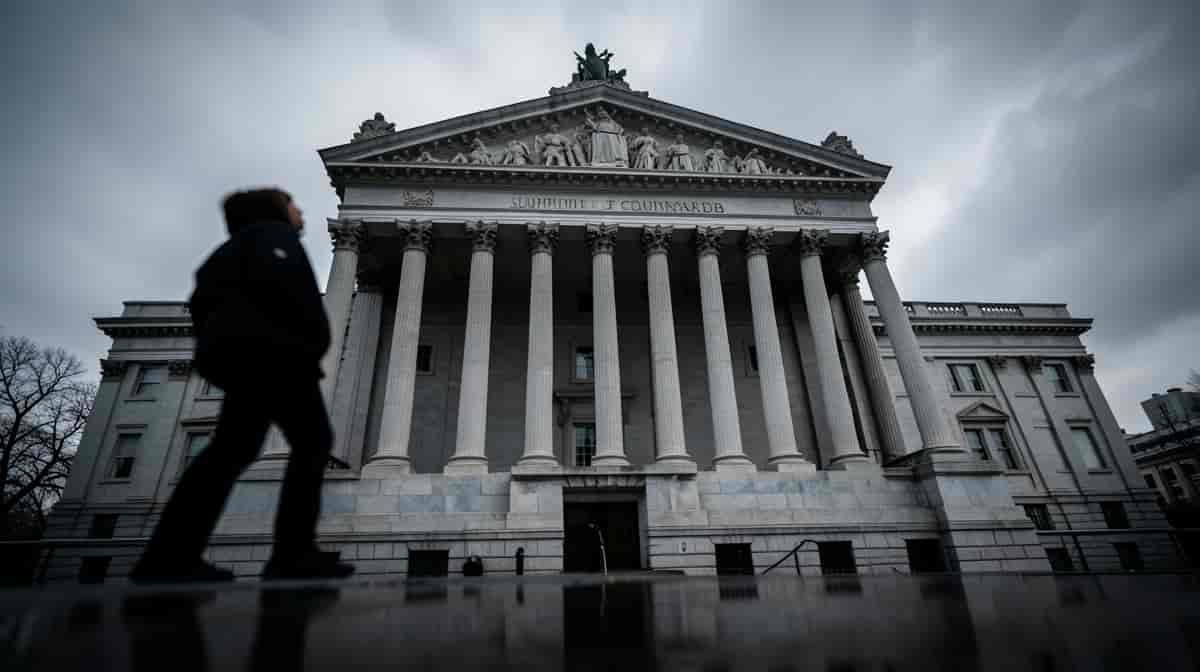
The silent corridors of Quebec’s public institutions now stand as the final frontier for a legal battle that has redefined the boundaries of Canadian pluralism. The Quebec religious symbols ban Supreme Court ruling has finally arrived, bringing a seismic shift to the nation’s legal framework and cementing a controversial vision of state neutrality.
This landmark decision, issued in late November 2026, marks the culmination of years of friction between individual expressions of faith and the provincial mandate of secularism. By largely upholding the legislation known as Bill 21, the Supreme Court of Canada has navigated a complex intersection of provincial autonomy, human rights, and the constitutional architecture that holds the federation together. The ruling effectively maintains the status quo for thousands of public sector workers, signaling a transformative moment for religious freedom in Canada.
The Supreme Court’s decision to uphold the religious symbols ban solidifies the provincial government's authority to enforce strict secularism, potentially narrowing the domestic legal avenues for those challenging the law on the grounds of fundamental religious rights.
The Genesis of Bill 21 and the Legal Challenge
Quebec's secularism law, formally titled Bill 21, was originally passed to enforce state neutrality within public services. The legislation was rooted in a distinct version of laïcité—a model of secular governance that seeks a rigorous separation between religious life and state functions. This model distinguishes Quebec's cultural and legal landscape from the rest of Canada, where a more accommodative form of pluralism generally prevails.
The ban targets specific public sector workers who are considered to be in positions of authority. This classification includes a broad range of professionals who are now prohibited from wearing visible religious items while performing their duties. The list of affected individuals includes:
- Teachers in the public school system
- Police officers and law enforcement personnel
- Judges and presiding magistrates
- Crown prosecutors and government lawyers
Critics of the law have consistently argued that these restrictions unfairly infringe upon fundamental personal rights and freedom of expression. For many affected workers, visible symbols such as hijabs, turbans, kippas, or crucifixes are not merely accessories but essential components of their identity and faith. The legal challenges brought before the Supreme Court focused on whether a provincial government could override these fundamental rights in the name of institutional neutrality.
The Supreme Court’s Mandate on State Neutrality
The high court's ruling in late November 2026 centers on the principle that the government has a right to define the secular nature of its institutions. By upholding the ban, the Supreme Court of Canada secularism case has addressed the ongoing clash between collective provincial identity and individual constitutional protections. The court’s decision largely preserves the law, effectively shielding it from many of the primary legal challenges that sought to dismantle it.
Legal analysts note that the ruling navigated intricate constitutional questions regarding provincial authority. A central element of this legal shield has been the use of the notwithstanding clause, a constitutional mechanism that allows provinces to enact legislation even if it conflicts with certain sections of the Canadian Charter of Rights and Freedoms. The Supreme Court's decision reflects the weight given to provincial legislative power in matters of cultural and social policy.
This ruling sets a massive legal precedent regarding the balance between individual religious freedoms and a government's right to enforce state secularism.
The decision impacts numerous public-facing roles throughout Quebec. While proponents defend the legislation as a necessary measure to protect the neutrality of the state, civil rights groups maintain that the ruling establishes a concerning precedent for how minority rights are protected within the federal system.
Historical and Geopolitical Context of Laïcité
The implementation of Bill 21 and its defense by Quebec provincial authorities reflect a broader historical parallel with European models of state secularism. Analysts point to the laïcité policies in France as a significant historical and cultural precursor. Like the debate in Quebec, the French model has sparked fierce domestic discourse and international criticism over the public expression of faith and the integration of minority communities.
The Quebec leadership has leveraged nationalist sentiment to assert cultural autonomy, often positioning secularism laws as a defense against federal judicial and political pressure. This approach has shaped regional electoral dynamics, turning the religious symbols ban into a cornerstone of provincial identity.
| Phase of Dispute | Key Development |
|---|---|
| Legislative Enactment | Quebec passes Bill 21 restricting symbols for authority figures |
| Judicial Progression | Legal challenges move through provincial and appellate courts |
| Final Determination | Canada’s Supreme Court largely upholds the ban in November 2026 |
The geopolitical angle of this ruling is significant, as it highlights a divergence in pluralism models. While much of North America operates under a federalist model that prioritizes individual rights protections, Quebec’s shift toward a European-style state secularism has drawn international scrutiny regarding the treatment of religious minorities.
Economic and Social Implications for Quebec
Beyond the legal and political spheres, the Supreme Court ruling carries potential economic and social consequences. One of the primary concerns identified by analysts is the "brain drain" of diverse professional talent. As minority groups affected by the ban navigate employment limitations, there is a risk that qualified professionals may choose to leave Quebec for other Canadian provinces with less restrictive public sector dress codes.
This potential exodus could lead to workforce constraints in critical public sectors, particularly in education and healthcare. If teachers and other public servants feel they cannot practice their profession without compromising their faith, the province may face challenges in recruitment and retention. This "hidden angle" of the ruling suggests that the long-term impact may be measured not just in courtrooms, but in the demographic and economic shifts within Quebec’s professional classes.
The ruling is also expected to influence the internal dynamics of public sector unions and advocacy groups. These organizations must now assess how to represent members whose religious freedom impact in Quebec has been codified by the highest court in the land.
Future Outlook and Expert Predictions
In the immediate aftermath of the ruling, media coverage and legal analysis are expected to dominate the discourse for at least the next 24 hours. Over the following 72 hours, formal responses are anticipated from:
- Quebec provincial authorities, likely celebrating the affirmation of their legislative power.
- Civil liberties and religious advocacy groups, assessing the grounds for any remaining legal avenues.
- Public sector unions, clarifying the impact on their members' employment standards.
- Federal political leaders, navigating the sensitive balance between provincial rights and national rights standards.
Analysts expect the ruling to solidify provincial legislative authority regarding secularism while sparking a renewed national debate over the use of the notwithstanding clause. The best-case scenario envisioned by observers is a period of constructive dialogue that addresses workplace accommodation within the framework of the court's decision. Conversely, the worst-case scenario involves heightened polarization and increased legal friction between religious minority communities and provincial authorities.
Expert predictions suggest that while the Supreme Court has provided legal closure, the social and political friction is far from over. The decision essentially maintains the status quo, but the long-term implications for Canada’s constitutional jurisprudence will be studied for decades.
Frequently Asked Questions
What did the Canadian Supreme Court rule regarding Quebec's ban on religious symbols?
Canada's Supreme Court largely upheld Quebec's controversial law, known as Bill 21, which bans certain public sector workers from wearing religious symbols on the job. The top court's ruling allows the province to maintain the restrictions despite challenges regarding civil liberties.
Which public workers are affected by Quebec's religious symbols ban?
The legislation applies to public sector workers in positions of authority, including teachers, police officers, judges, and crown prosecutors. These individuals are prohibited from wearing visible religious items such as hijabs, turbans, kippas, or crucifixes while at work.
Why is the Quebec religious symbols law controversial?
The law has sparked intense debate because critics argue it infringes upon fundamental human rights, freedom of religion, and equality. Proponents, however, defend the legislation as a necessary measure to protect Quebec's secular identity and the neutrality of the state.
How did the court address constitutional rights in its decision?
The court's ruling navigated complex constitutional questions surrounding provincial authority and rights protections. The legislation has continuously utilized legal mechanisms to shield itself from certain Charter challenges since its initial passage.
What is Bill 21 and when was it enacted?
Bill 21 is Quebec's secularism law that was originally passed to enforce state neutrality in public services. The recent Supreme Court decision represents a major milestone in the ongoing legal battles surrounding the legislation's enforcement.
What happens next following the Supreme Court ruling?
With Canada's highest court upholding the law, the ban remains fully in effect across Quebec's public sector. Advocacy groups and affected communities will likely continue political and social campaigns, though legal avenues within the domestic court system have narrowed.
Conclusion
The Supreme Court’s decision to uphold Quebec’s ban on religious symbols marks a definitive chapter in the story of Canadian secularism. By affirming the province’s right to restrict religious attire for public servants in positions of authority, the court has prioritized provincial legislative autonomy and the mandate of state neutrality over individual religious expression. While this provides a legal resolution to the immediate challenges surrounding Bill 21, the ruling leaves a complex legacy. The implications for religious minority communities, the potential for professional brain drain, and the ongoing tension between provincial and federal visions of rights will continue to shape the Canadian landscape. For now, the ban remains a firm reality in Quebec’s public sector, setting a precedent that will resonate through constitutional law and social policy for years to come.
Sources
- Quebec Can Keep Its Ban on Religious Symbols, Canada’s Top Court Rules — The New York Times
- 'Look what I've produced': Inside 'peacock parenting,' where kids become their parents' status symbols — Fortune
- Canadian courts rule on MAID at faith-based hospital, religious symbols — OSV News
- Canadian Supreme Court upholds Quebec law banning religious symbols — upi
- Canada’s Supreme Court largely upholds Quebec ban on religious symbols for public servants — Los Angeles Times
- Canadian Supreme Court largely upholds Quebec’s ban on religious symbols for public sector workers — Washington Examiner


