
Rep Ilhan Omar Home Search Documents Unsealed by Judge in Key Move
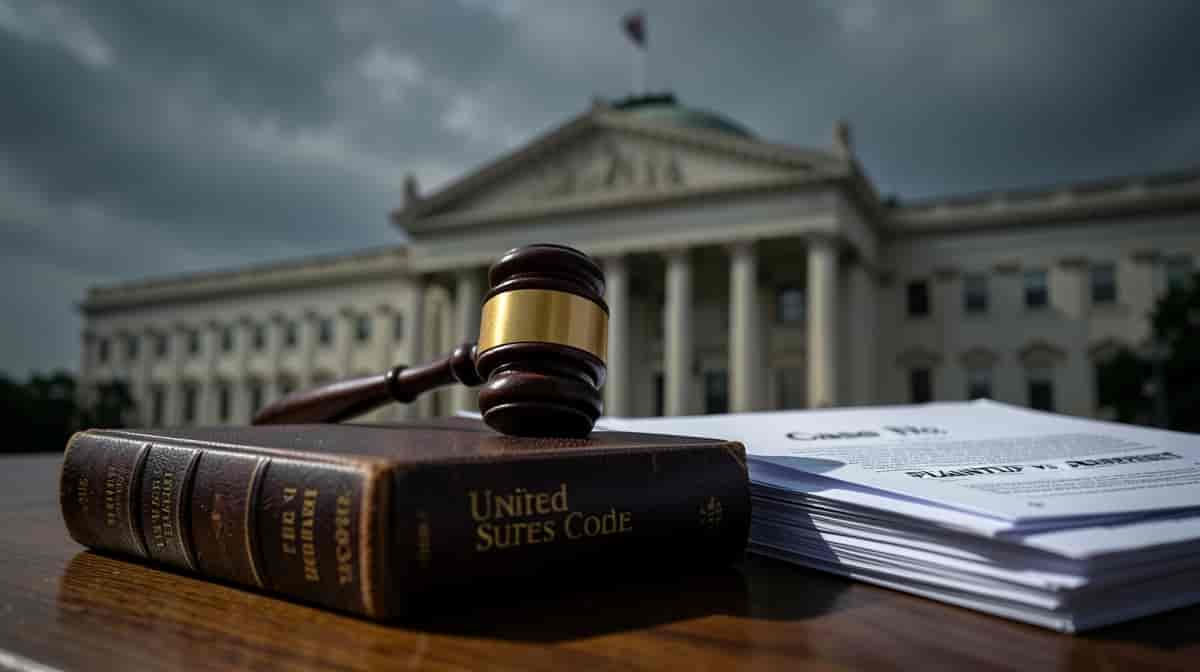
The inner workings of a high-stakes federal investigation into a sitting member of Congress are no longer confined to sealed court vaults. A federal judge has officially unsealed documents Rep Ilhan Omar home searches relied upon, shedding new light on the ongoing federal inquiries that have quietly persisted behind closed doors.
The release of these records offers an unprecedented glimpse into the complex legal hurdles and judicial oversight required when law enforcement targets a high-profile elected official. These documents, comprising hundreds of pages of warrants and affidavits, suggest that the investigation is not a narrow inquiry into recent events but rather a sweeping probe that touches upon the vast majority of the congresswoman’s life.
The newly unsealed records reveal a federal investigation with a remarkably broad scope, spanning decades of Representative Ilhan Omar’s life and triggering intense judicial debate over constitutional protections.
The Expansive Scope of the Federal Probe
The newly released warrant and court records show that the federal investigation tied to the search of Rep. Ilhan Omar's home covers a remarkably broad scope. Unlike typical federal warrants that focus on specific, recent windows of time, the records unsealed by the federal court reveal that the government’s inquiry spans multiple decades. This expansive nature of the inquiry has drawn significant media attention regarding the specific targets and the remarkably long timeline of the federal probe.
Major news organizations, including NBC News, Fox News, and the Wall Street Journal, have reported that the investigation encompasses most of Representative Omar’s life. The documents expose both the exhaustive nature of the government's inquiry and the unique scrutiny applied to a sitting member of Congress. The breadth of the search warrant affidavit suggests that investigators are looking deep into the historical background of the lawmaker, raising questions about the origin and ultimate trajectory of the case.
The Constitutional Conflict in the Courtroom
Before the search of the Washington, D.C. home was ever conducted, a significant legal battle took place out of public view. According to reporting from the Associated Press and The Washington Post, government officials and the presiding judge deliberated extensively over the constitutional implications prior to executing the search. This debate centered on the legal boundaries and protections afforded to lawmakers, highlighting the delicate balance between legislative independence and executive law enforcement powers.
The records indicate that the judge expressed specific concerns ahead of authorizing the search of Representative Omar’s home. These judicial reservations were a central part of the debate over the constitutional boundaries of the operation. When federal authorities seek to investigate or search the property of a high-profile public figure like a member of Congress, the process typically involves intense judicial scrutiny. Courts must carefully weigh the requirements of a criminal investigation against constitutional protections, such as general separation of powers principles.
The Role of Judicial Oversight
The unsealing of these files follows a determination that public access to these court documents is essential for maintaining public trust. The documents reveal that the judge and government officials thoroughly debated the implications of the raid, ensuring that the legal threshold was met before invading the privacy of a federal legislator. This case highlights the tension between federal investigative powers and the constitutional protections granted to elected officials. When law enforcement targets a member of Congress, it raises critical questions about the separation of powers and government transparency.
Timeline of Investigative Developments
The progression from a sealed federal investigation to the public release of these documents followed a specific sequence of legal events. The following timeline outlines the key markers in this case:
| Phase | Event Description |
|---|---|
| Execution | Federal authorities execute a search related to the investigation involving Representative Ilhan Omar's home. |
| Judicial Review | A federal judge and government officials debate the constitutional implications and boundaries surrounding the search. |
| Public Disclosure | Federal court unseals warrant documents, revealing the decades-long scope and judicial concerns regarding the investigation. |
This sequence underscores the institutional friction between the judiciary and the executive branch. The intense debate between the government and the judge regarding constitutional implications suggests that the legal threshold for executing search warrants on legislative offices or homes may face stricter judicial scrutiny in future federal probes.
Institutional and Political Implications
The release of the warrant documents underscores deep partisan sensitivities and institutional friction between the judiciary, the executive branch, and members of Congress. This friction is not merely legal; it carries significant political weight. The documents raise questions about the scope of federal investigations targeting sitting lawmakers and how such probes interact with the legislative branch's independence.
Geopolitical and Symbolic Weight
As a high-profile immigrant lawmaker, Representative Omar's legal scrutiny carries symbolic weight internationally. Analysts suggest that this scrutiny is occasionally exploited by foreign narratives regarding the resilience and domestic friction within American democratic institutions. The investigation, therefore, has implications that extend beyond the domestic legal framework, touching upon the global perception of American governance and the rule of law.
Economic and Regulatory Context
While the investigation may lack direct macroeconomic impacts, high-profile federal investigations involving prominent members of Congress can influence legislative priorities and regulatory oversight. The stability of governance is often linked to market confidence; therefore, prolonged legal battles involving high-ranking officials are closely watched for their potential to disrupt legislative consistency or influence the focus of congressional committees.
Historical Parallels in Congressional Investigations
The current investigation into Representative Omar invites comparisons to past instances where federal law enforcement targeted members of Congress. One notable historical parallel is the 2005 FBI raid on Representative William J. Jefferson's congressional office. That incident sparked major constitutional debates over the Speech or Debate Clause and the boundaries of executive power when investigating the legislative branch.
The unsealed records in the Omar case suggest a similar level of concern regarding the execution of search warrants on the property of elected officials. The records provide unprecedented insight into the legal safeguards and judicial concerns that characterize such investigations. By reviewing these documents, legal experts can compare the modern judicial approach to the precedents set by cases like that of William J. Jefferson, noting whether the protections for lawmakers have strengthened or shifted over time.
Predicting the Next Phases of the Inquiry
As the public and legal experts comb through the details of the hundreds of pages of records, the trajectory of the investigation remains a focal point of national interest. In the immediate future, several developments are expected:
- Media outlets will continue analyzing the newly unsealed search warrant documents, focusing on the decades-long scope and the specific details of the judicial debates.
- Legal analysts and political commentators will debate the implications of the unsealed records, particularly regarding the execution of the search and the constitutional protections involved.
- Increased scrutiny is expected regarding the justification of federal search warrants involving elected officials.
The best-case scenario for the judicial system is that the unsealed documents provide transparent and clear insight into the legal process, maintaining public trust in judicial review. Conversely, the worst-case scenario suggests that these revelations could intensify partisan political conflict and raise prolonged concerns regarding the boundaries of federal investigations into members of Congress.
This case highlights the delicate balance between federal investigative powers and the constitutional protections granted to elected officials.
Frequently Asked Questions
What was revealed after a judge unsealed documents related to the search of Rep. Ilhan Omar's home?
The newly unsealed warrant documents revealed that the federal investigation into Representative Ilhan Omar's Washington, D.C., home covers a decades-long scope. Media outlets like Fox News and the Wall Street Journal reported that the records provide a deeper look into the broad timeline of the probe.
Why did the government and the judge debate the search of Rep. Ilhan Omar's home?
According to AP News, government officials and the judge heavily debated the constitutional implications before executing the search. This discussion highlights the unique legal and constitutional sensitivities involved when federal authorities target a sitting member of Congress.
What specific details were uncovered about the scope of the federal investigation?
Unsealed records show that the government's investigation encompasses most of Representative Omar's life. The expansive nature of the inquiry has drawn significant media attention regarding the specific targets and timeframe of the federal probe.
Did the judge express any initial concerns regarding the raid?
Yes, reporting from The Washington Post indicates that the judge had specific concerns ahead of authorizing the search of Representative Omar's home. These judicial reservations were a central part of the debate over the constitutional boundaries of the operation.
Which news organizations covered the unsealing of the Rep. Ilhan Omar search documents?
Major outlets including NBC News, Fox News, the Wall Street Journal, AP News, CBS News, and The Washington Post all provided extensive coverage of the federal court releasing the raid documents. The widespread reporting underscores the national significance of the unsealed records.
What happens next now that the warrant documents have been made public?
With the documents now unsealed, legal experts, the public, and lawmakers are able to examine the justification and broader implications of the federal investigation. Further developments are expected as details from the extensive records continue to be analyzed.
Conclusion
The unsealing of federal court documents regarding the search of Representative Ilhan Omar’s home has provided a rare, transparent view into a sprawling investigation. The records confirm that the probe spans decades, covering most of the lawmaker's life, and was only authorized after an intense debate between the government and the judiciary over constitutional safeguards. While the full specifics of the underlying investigation are still developing, the public release of these records ensures that the legal process and the judicial concerns surrounding the search are subject to public and expert scrutiny. Moving forward, the focus will likely shift to the potential next steps by legal teams and the broader political reactions as the contents of the hundreds of pages of records are fully analyzed. This development marks a critical juncture in the ongoing dialogue regarding the intersection of law enforcement authority and congressional immunity.
Sources
- Judge unseals documents related to search of Rep. Ilhan Omar’s home — NBC News
- Unsealed warrant documents for Ilhan Omar's DC home raid reveal decades-long scope of investigation — Fox News
- Ilhan Omar Investigation Covers Most of Her Life, Unsealed Records Show — WSJ
- Records: Government, judge debated constitutional implications of searching Rep. Ilhan Omar's home — AP News
- Federal court releases Rep. Ilhan Omar Washington, D.C. home raid documents — CBS News
- Judge had concerns ahead of search of Rep. Ilhan Omar’s home, unsealed records show — The Washington Post


