
Karthigai Deepam Lighting At Thiruparankundram Gets Supreme Court Nod
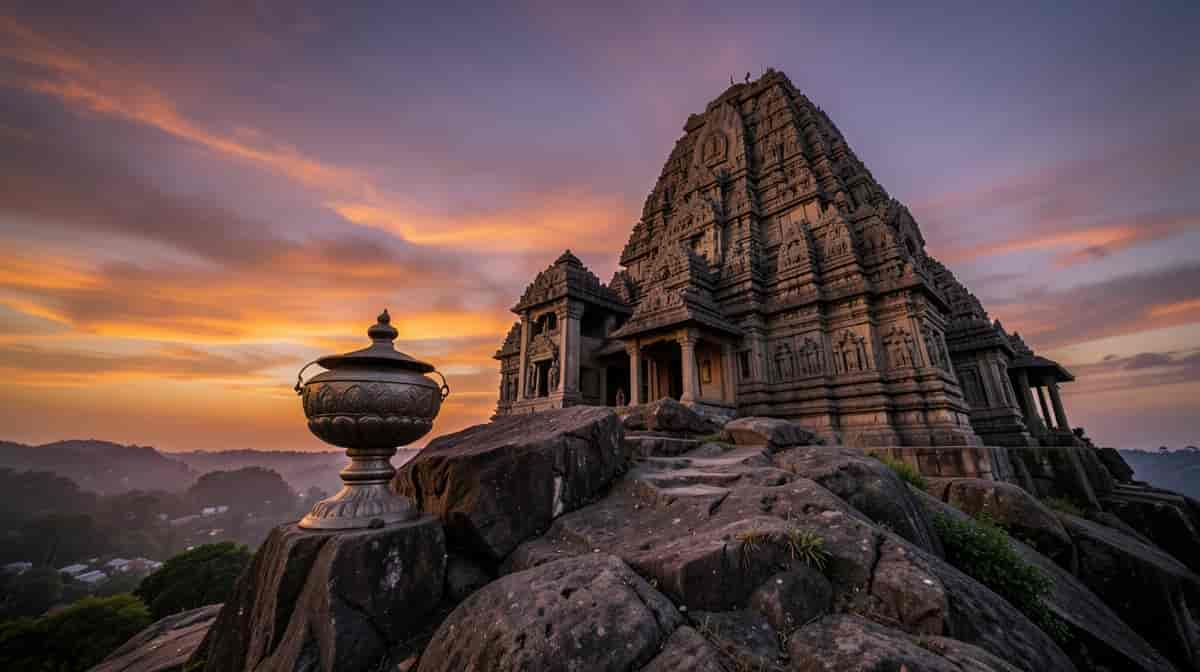
The height of the Thiruparankundram hill has become the focal point of a significant judicial intervention that balances centuries of tradition against modern administrative concerns. As the sun sets over the landscape of Madurai, the legal battle over the lighting of the Karthigai Deepam at Thiruparankundram has moved from the regional benches to the highest court in the nation.
The Supreme Court has delivered a crucial verdict regarding the Karthigai Deepam at Thiruparankundram, granting permission for a one-time lighting ceremony. This decision marks a pivotal moment in an ongoing dispute that has seen the Tamil Nadu government and religious stakeholders navigate a complex web of historical customs and contemporary legal challenges. By staying a previous order from the Madras High Court, the apex court has cleared a temporary path for the ritual, though the underlying friction regarding the site’s proximity to a local dargah remains a point of intense administrative scrutiny.
The Supreme Court has granted a one-time permission for the lighting of the Karthigai Deepam lamp at the Thiruparankundram hill in Tamil Nadu, balancing longstanding local traditions with legal arguments regarding the site’s proximity to a Madurai dargah.
The Legal Pivot at Thiruparankundram
The recent directive from the Supreme Court represents a significant shift in the judicial handling of the Thiruparankundram Deepam row. For several years, the ritual—which involves lighting a massive lamp on the hilltop—has been mired in litigation. The core of the current intervention lies in the Supreme Court’s decision to stay a Madras High Court order that had previously restricted or altered the traditional observance.
This one-time permission is not a final settlement but a strategic judicial pause. The court is attempting to allow for the preservation of a religious tradition while the broader legal questions are examined. The ruling follows a period of heightened legal friction where local authorities and the state government had expressed concerns over the ritual’s location. By allowing the lighting to proceed this year, the apex court has provided immediate relief to devotees, though it has simultaneously prompted the state government to seek a formal review of the order.
The case involves delicate regional customs that span over a century. The Karthigai Deepam is a traditional festival of lights celebrated predominantly in Tamil Nadu, where lamps are lit on hilltops and in temples to mark the occasion. Disputes involving sacred hills and adjacent religious sites often require this level of careful judicial navigation to respect diverse cultural practices without compromising public order.
Administrative Friction and the Dargah Controversy
At the heart of the opposition to the lighting is a historical and communal complexity involving a Madurai dargah situated on the same hill. The Tamil Nadu government and local authorities have cited a 150-year-old custom to oppose the lighting of the Deepam in close proximity to the dargah. This argument suggests that the specific location of the ritual could impact the existing harmony and established protocols of the heritage site.
The state’s stance has been consistent in emphasizing the need for administrative caution. Government representatives argued that the historical precedents governing the hilltop must be respected to avoid communal friction. However, proponents of the Deepam lighting argue that the tradition is an inseparable part of the region's religious fabric. This tension between historical local customs and the right to perform religious rituals has placed the state administration in a challenging position.
The Role of State Leadership
In the wake of the Supreme Court's decision, Minister Nirmal and other high-ranking state officials have been actively consulting with legal experts. The Tamil Nadu government’s response was swift, as they moved the Supreme Court seeking a review of the order. This move indicates that the state is concerned about the long-term implications of the ruling on local governance and communal management. The administration is essentially navigating a path between complying with the highest court's directive and addressing the specific historical grievances raised by those who manage the dargah and surrounding areas.
Economic and Cultural Stakes of the Karthigai Deepam
Beyond the legal and political arguments, the Karthigai Deepam festival carries immense cultural and economic weight for the region. The tradition is supported by a vast ecosystem of artisans and vendors whose livelihoods are intrinsically linked to the festival’s occurrence.
- Generational Artisans: Families of potters, such as those in Palakkad, have kept the Karthigai Deepam tradition alive for generations. Their work in creating the traditional lamps used in temples and homes is a cornerstone of the regional economy.
- Religious Tourism: The lighting of the Deepam on major hills like Thiruparankundram draws significant crowds, impacting local commerce and hospitality sectors.
- Legal Certainty: The shifts in judicial directives impact the planning and production cycles for traditional vendors. Legal uncertainty often leads to economic instability for those who rely on the festival for their annual income.
The Supreme Court’s intervention provides a temporary sense of certainty for these groups, ensuring that the ritual can proceed this year. However, the ongoing legal battle suggests that the long-term economic planning for the festival remains subject to the final outcome of the state's review petition.
Institutional Strains: The High Court vs. The Supreme Court
The judicial friction between the Madras High Court and the Supreme Court highlights potential institutional strains regarding how lower courts handle sensitive heritage and property claims. The Madras High Court’s initial order was grounded in regional administrative concerns, yet the Supreme Court felt a stay was necessary to permit the one-time observance.
| Legal Phase | Action | Outcome |
|---|---|---|
| Madras High Court | Issued order restricting or managing the Deepam lighting | Limited the traditional ritual based on administrative/local concerns |
| Supreme Court | Stayed the High Court order; allowed one-time lighting | Granted temporary permission for the Karthigai Deepam ceremony |
| State Review | Tamil Nadu government files review petition | The court is asked to reconsider the implications of the stay |
This hierarchy of legal intervention mirrors historical parallels like the Ayodhya title dispute, where courts must balance religious heritage with communal harmony and administrative directives. The "hidden angle" here is how the apex court’s intervention might be perceived by regional judicial bodies who are often closer to the immediate administrative realities of the ground.
Analysis: Political and Geopolitical Ripples
The root cause of this conflict is a legal and cultural clash over religious practices at a disputed site. Politically, the Tamil Nadu government has had to navigate sensitive communal dynamics, citing historical customs to justify its initial opposition. By subsequently seeking a legal review, the government is signaling to its constituents that it remains committed to maintaining the status quo of historical local customs.
From a geopolitical perspective, domestic religious disputes in India frequently draw international media scrutiny. Observers often look at these cases as tests of minority rights, judicial activism, and the secular governance models of the Indian state. How the judiciary and the state administration resolve the Thiruparankundram row will be seen as a template for handling similar heritage disputes across the country.
This development highlights the delicate balance between religious traditions, heritage sites, and communal harmony, showing how legal interventions can spark immediate administrative and governmental review.
Future Outlook: The Path to Judicial Review
The next 24 to 72 hours are expected to be critical as the Tamil Nadu government and legal experts continue their consultations. The focus will remain on the state’s move to seek a review of the order, with further legal arguments likely to be presented regarding the administrative preparations required for the lighting.
Expert Predictions and Scenarios
Analysts expect the legal contention between state administrative directives and judicial interventions to draw intense scrutiny. The implementation of the one-time lighting will require a high degree of coordination between the local administration and religious bodies to ensure that the court’s directives are followed without escalating local tensions.
- Best-Case Scenario: A peaceful resolution where the one-time lighting ceremony is conducted with full compliance and local administrative harmony, balancing tradition and site-specific concerns.
- Worst-Case Scenario: Heightened legal and local friction as the review petition clashes with the immediate need to execute the lighting event, potentially leading to administrative delays or increased communal sensitivity.
The outcome of the review petition will ultimately determine if the one-time permission remains an isolated incident or if it sets a new precedent for the ritual's future at the Thiruparankundram hill.
Frequently Asked Questions
What did the Supreme Court decide regarding the Karthigai Deepam at Thiruparankundram?
The Supreme Court allowed a one-time lighting of the Deepam at Thiruparankundram Hill, staying a previous Madras High Court order. This decision permits the observance of the ritual despite local legal disputes.
Why is the Thiruparankundram Karthigai Deepam lighting a matter of dispute?
The controversy involves opposition citing historical customs and concerns near a Madurai dargah. The Tamil Nadu government and other respondents have navigated conflicting local traditions and legal petitions surrounding the site.
How has the Tamil Nadu government responded to the Supreme Court's ruling?
Following the Supreme Court's order permitting the one-time lighting, the Tamil Nadu government consulted legal experts and subsequently moved the Supreme Court seeking a review of its decision.
Who is affected by the Supreme Court's order on the Thiruparankundram ritual?
The ruling directly impacts local devotees wishing to participate in the Karthigai Deepam tradition, as well as state administration and legal bodies managing religious observances and communal harmony in the area.
What historical context surrounds the opposition to the Deepam lighting?
Opposing arguments have cited longstanding local customs spanning over 150 years regarding the specific location near the Madurai dargah on Thiruparankundram Hill. These historical precedents form the basis of the legal challenges against the lighting.
What happens next as the legal battle over the Karthigai Deepam continues?
With the Tamil Nadu government filing a review petition in the Supreme Court, authorities and legal experts await further judicial review of the initial order permitting the one-time lighting.
Conclusion
The Supreme Court’s decision to allow a one-time lighting of the Karthigai Deepam at Thiruparankundram marks a significant chapter in the intersection of law, religion, and regional history. While the ruling provides a temporary path for the continuation of a centuries-old ritual, the Tamil Nadu government’s immediate pursuit of a legal review underscores the deep-seated administrative and communal complexities involved. As legal experts and state ministers engage in ongoing consultations, the focus remains on ensuring that the ritual is conducted in a manner that respects both the judicial mandate and the historical customs of the site. The coming days will be vital in determining how this interim directive is managed on the ground and what it signifies for the future of religious observances at disputed heritage sites in the region.
Sources
- Meet generational potter family who keeps Karthika Deepam tradition alive in Palakkad — Onmanorama
- Supreme Court Allows One-Time Lighting Of Deepam At Thiruparankundram Hill — NDTV
- TN Govt Consulting Legal Experts on SC Karthigai Deepam Ruling: Min Nirmal — Deccan Chronicle
- Thiruparankundram Karthigai Deepam row: Tamil Nadu government moves Supreme Court seeking review of its order — The Week
- Vijay govt cites 150-year-old custom to oppose lighting Deepam near Madurai dargah — India Today
- Supreme Court allows one-time Karthigai Deepam lighting at Thiruparankundram, stays Madras HC order — Deccan Herald


