
Saryu Kamala Express Connects Ayodhya to Janakpur in a Strategic Move
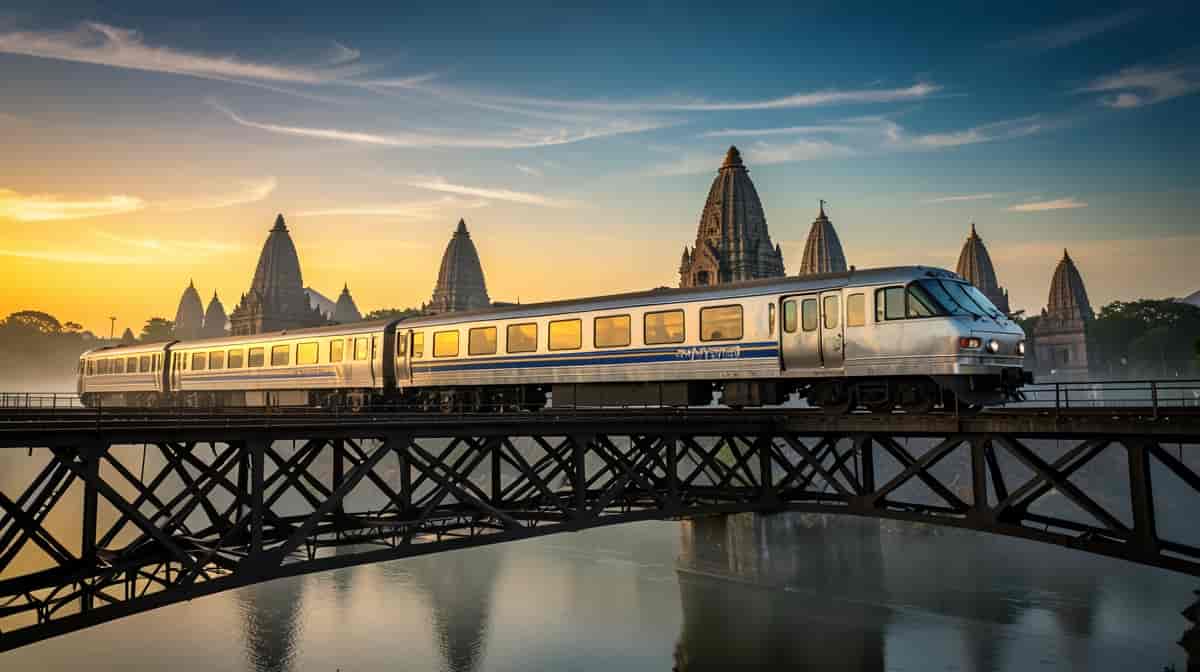
The iron tracks stretching from the banks of the Saryu River to the heart of the Kamala River valley now carry more than just passengers; they transport a centuries-old spiritual legacy into a new era of regional integration. The launch of the India Nepal Saryu Kamala Express marks a historic milestone in cross-border connectivity, directly linking sacred pilgrimage sites and strengthening bilateral ties between two neighbors sharing a civilizational bond.
The Saryu Kamala Express serves as a physical manifestation of the Ramayana narrative, creating the first direct rail link between Lord Ram's birthplace in Ayodhya and Goddess Sita's birthplace in Janakpur Dham.
A Historic Milestone in Cross-Border Diplomacy
The official flagging off of the Saryu Kamala Express on November 23, 2026, represents a significant shift in how infrastructure is utilized as a tool for cultural diplomacy. Jointly inaugurated by Indian Prime Minister Narendra Modi and Balendra Shah, the ceremony underscored a shared commitment to revitalizing historical and religious connections that have defined the relationship between India and Nepal for generations. This high-profile launch is not merely a transport achievement but a deliberate effort to fulfill a long-standing aspiration for seamless movement between the two sacred cities.
By connecting Ram's birthplace in Ayodhya to Sita's birthplace in Janakpur Dham, the service fulfills a profound cultural mandate. Observers note that the joint nature of the inauguration highlights how shared religious heritage is leveraged to foster diplomatic goodwill and domestic political resonance in both nations. This "civilizational diplomacy" aims to counterbalance regional diplomatic friction by reinforcing the longstanding bilateral ties that exist between New Delhi and Kathmandu.
Operational Blueprint of the Saryu Kamala Express
The logistics of the new rail link have been designed to cater specifically to the needs of pilgrims and international travelers who previously had to navigate complex road networks or indirect transit options. The transit route aims to ease travel logistics for thousands of devotees who journey between these sacred locations annually, providing a much more direct and convenient travel option.
Route Specifications and Schedule
| Feature | Saryu Kamala Express Details |
|---|---|
| Primary Terminals | Ayodhya (India) to Janakpur Dham (Nepal) |
| Official Launch | November 23, 2026 |
| Flagged Off By | PM Narendra Modi and Balendra Shah |
| Strategic Importance | Revival of the Ramayana Connection |
| Key Impact Area | Religious Tourism and Regional Integration |
The inaugural journey has already seen specific schedules and transit durations begin to circulate among local commuters and travel agencies. While the service focuses on the primary connection between Ayodhya and Janakpur, it is expected to serve several intermediate stops that facilitate broader regional transport. This infrastructure is a testing ground for integrated border management, requiring coordinated efforts between Indian Railways and Nepalese authorities to ensure smooth transit across the international border.
Reviving the Ramayana Connection
At the heart of the Saryu Kamala Express is the cultural and religious imperative to physically connect the pivotal sites of the Ramayana epic. For centuries, the connection between Ayodhya and Janakpur was maintained through oral traditions and arduous road pilgrimages. The introduction of a dedicated rail link provides a modern conduit for these ancient ties.
- The train directly links Lord Ram's birthplace to Goddess Sita's birthplace.
- It revitalizes the historical "Ramayana Circuit" initiative.
- The route facilitates spiritual tourism for thousands of devotees.
- It strengthens the shared "soft power" of the two neighboring nations.
This rail link directly connects Lord Ram's birthplace in Ayodhya to Sita's birthplace in Janakpur, reviving the historic Ramayana connection for pilgrims and travelers alike.
The cultural resonance of this project extends beyond simple transport; it is a revival of a transnational religious corridor. Analysts suggest that the root cause for the development of this specific link is the deep-seated cultural necessity to bridge the gap between these two holy sites, which are central to the identity of millions in both India and Nepal.
Economic Impact and Regional Integration
The introduction of the India Nepal Saryu Kamala Express is expected to catalyze a significant boost in local commerce along the Ayodhya-Janakpur corridor. By facilitating easier access for spiritual tourists and traders, the rail link improves regional integration and economic exchange. The hospitality sectors in both cities are poised for growth as the influx of pilgrims increases.
Tourism and Hospitality Growth
- Increased demand for local accommodation and hospitality services in Janakpur and Ayodhya.
- Growth in the local transport and guide services catering to cross-border pilgrims.
- Enhanced trade opportunities for local artisans and merchants selling religious artifacts.
- Strengthening of regional small businesses along the rail corridor.
Beyond spiritual tourism, the rail link serves as a vital artery for local residents who frequently travel across the border for social and economic reasons. The direct route reduces travel time and costs, making the journey accessible to a wider demographic. This economic integration is viewed as a stabilizing force in the bilateral relationship, grounding diplomatic ties in practical, shared economic benefits.
Geopolitical Implications and Civilizational Diplomacy
From a geopolitical perspective, the Saryu Kamala Express is more than a train; it is a strategic asset. By utilizing soft power and civilizational diplomacy, New Delhi and Kathmandu are reinforcing their historical ties in a modern context. This initiative helps to maintain the special relationship between the two countries, which has historically been based on open borders and deep cultural links.
The political angle of the joint inauguration cannot be overlooked. The presence of key leadership figures like PM Modi and Balendra Shah at the flag-off ceremony signals a high-level commitment to bilateral cooperation. This move is interpreted as a strategic effort to consolidate regional influence through the development of integrated infrastructure that benefits both populations. Furthermore, the rail link provides a testing ground for joint security protocols and integrated border infrastructure management, which are critical for maintaining stability along sensitive transit routes.
Future Outlook and Predictor Analysis
As the Saryu Kamala Express begins its regular operations, the focus shifts toward its long-term viability and impact. The immediate next 24 hours will be defined by initial passenger feedback and media coverage following the formal inauguration. This early phase is crucial for establishing the service's reputation for reliability and comfort.
Short-term and Long-term Predictions
- Next 72 Hours: Authorities will assess initial ridership trends, schedule adherence, and the efficiency of bilateral diplomatic coordination regarding border checks.
- Expert Prediction: Analysts expect a significant surge in religious tourism, which will reinforce historical ties and likely lead to calls for expanded rail infrastructure in the region.
- Best-Case Scenario: A smooth operational rollout leading to enhanced economic activity in both Ayodhya and Janakpur, with seamless cross-border travel protocols.
- Worst-Case Scenario: Potential logistical delays or technical teething issues that could affect the initial schedule and cause commuter dissatisfaction.
While the current focus is on the successful launch, future developments may include the introduction of additional regional connections and improvements in border transit efficiency. The success of this corridor could pave the way for further integrated rail projects between India and Nepal, deepening the physical and cultural bonds between the two nations.
Frequently Asked Questions
What is the Saryu Kamala Express train service?
The Saryu Kamala Express is a new cross-border train service connecting Ayodhya in India to Janakpur in Nepal. It was inaugurated to establish a direct rail link between these two culturally significant locations.
Who flagged off the Ayodhya-Janakpur Saryu Kamala Express?
The new train service was officially flagged off by Indian Prime Minister Narendra Modi and Balendra Shah. This high-profile launch marks a significant milestone in bilateral connectivity between India and Nepal.
Why does the Saryu Kamala Express matter?
The train service revives the historical Ramayana connection by linking Lord Ram's birthplace in Ayodhya to Sita's birthplace in Janakpur. It aims to boost religious tourism and strengthen cultural ties between the two neighboring countries.
Who is affected by the launch of the India-Nepal train service?
Pilgrims, tourists, and travelers journeying between India and Nepal are the primary beneficiaries of this new route. It provides a much more direct and convenient travel option compared to previous road and indirect transit methods.
What specific details are known about the train's route and schedule?
The train service officially commenced operations on November 23, connecting Ayodhya and Janakpur Dham. While exact timetables and specific intermediate stops vary, the route is specially curated to facilitate cross-border pilgrimage travel.
What happens next for cross-border rail travel between India and Nepal?
With the successful launch of the Saryu Kamala Express, officials and stakeholders anticipate increased tourist movement and potential expansion of rail infrastructure. Future initiatives may focus on improving border transit efficiency and introducing additional regional connections.
Conclusion
The inauguration of the India Nepal Saryu Kamala Express represents a transformative moment for cross-border connectivity in South Asia. By bridging the sacred cities of Ayodhya and Janakpur Dham, the service successfully revives the ancient Ramayana connection through modern infrastructure. This initiative, spearheaded by the joint leadership of Prime Minister Narendra Modi and Balendra Shah, is set to significantly boost religious tourism, enhance local economies, and reinforce the civilizational ties that bind India and Nepal. While the immediate focus remains on operational stability and passenger feedback, the long-term impact of this rail link will likely be measured by its ability to foster deeper regional integration and diplomatic goodwill. As operations continue, the Saryu Kamala Express stands as a testament to the power of shared heritage in shaping the future of international relations.
Sources
- Ram's Ayodhya To Sita's Janakpur, Nepal: How Long Will The New Cross-Border Train Take? — NDTV
- India, Nepal get new rail link connecting Ayodhya and Janakpur Dham; key details — The Times of India
- Ayodhya to Janakpur train: How the Saryu-Kamala Express revives the Ramayana connection — Open Magazine
- India-Nepal train service: PM Modi, Balendra Shah flag off Ayodhya-Janakpur Saryu Kamala Express — The Indian Express
- Ayodhya-Janakpur Train Starts Nov. 23: What Times and Which Stops — deeparrival.com
- India-Nepal Ayodhya-Janakpur train to be flagged-off today — The Hitavada


