
Trump Iran War Resolution Blocked by Senate Republicans in Major Move
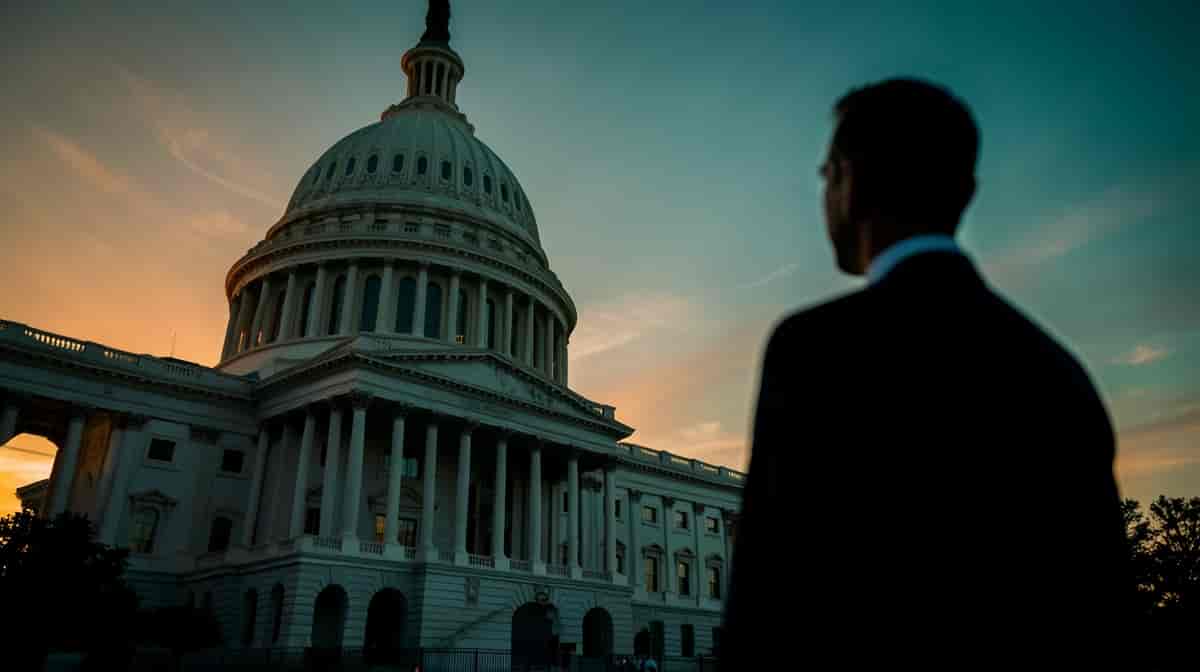
The halls of the U.S. Senate have become the latest battleground for a high-stakes confrontation that echoes far beyond Washington’s borders. As legislative maneuvers collide with active military engagement in the Middle East, the balance of power between the executive and legislative branches faces a defining test. In a decisive legislative move, the Senate blocks Iran resolution attempts, sparking intense discussions regarding the broader implications for the US Iran conflict and regional stability. This political showdown comes at a moment when the friction between domestic policy and international military strategy is reaching a critical inflection point.
The legislative blockade highlights deep political divisions in Washington over military power and foreign intervention, determining the extent of congressional oversight on executive military decisions.
The Legislative Standoff in Washington
On November 20, 2026, the United States Senate witnessed a pivotal moment in the ongoing debate over war powers. Senate Republicans successfully blocked a resolution aimed at restricting military actions involving Iran, a move that provides significant political backing for President Donald Trump’s current administration. This legislative hurdle effectively halts efforts by congressional opponents who have sought to limit or redirect presidential war powers under the framework of the 1973 War Powers Resolution.
The vote reflects a unified Republican front in the Senate, signaling a commitment to maintaining executive flexibility as the U.S. navigates a volatile landscape in the Middle East. For proponents of the resolution, the block represents a missed opportunity for congressional oversight. For supporters of the administration, it is a necessary preservation of the President’s ability to act as Commander-in-Chief without being hampered by legislative constraints during a period of active conflict.
The Stakes of Congressional Oversight
Under the U.S. Constitution, the authority to declare war is held by the legislative branch, while the President serves as the Commander-in-Chief. This inherent tension has led to frequent debates, particularly when presidents engage in prolonged foreign conflicts without explicit congressional approval. The recent vote reinforces the executive branch's leverage, solidifying its mandate to pursue current military objectives. However, the political landscape is shifting, with Democrats already exploring legislative avenues and examining constitutional powers to restrict or end the war once they assume control of Congress.
Escalation on the Ground: Targeting Regional Infrastructure
The political battle in Washington is mirrored by intensifying military friction in the Middle East. Reports from November 21 and 22, 2026, indicate that the conflict is entering a phase of targeted strikes on critical infrastructure. Most notably, reports have surfaced involving attacks on bases in Bahrain, where U.S. forces are stationed alongside allied assets.
According to documented updates, U.S. radar systems were specifically targeted during these attacks on Bahraini bases. This development illustrates the broader security implications of the confrontation, as regional infrastructure becomes a focal point for military friction. The targeting of radar systems suggests a calculated attempt to degrade defensive capabilities and situational awareness in a region that is essential for global maritime and trade routes.
- Targeting of U.S. radar in Bahrain bases marks a tactical escalation.
- Regional stability for allies is increasingly threatened by ongoing confrontations.
- The use of targeted strikes forces a legislative showdown over executive war powers.
The Strategic Timeline: Trump’s 2027 Vision
Amid the military activity and legislative deadlock, President Trump has articulated a complex strategy regarding the future of the conflict. He has stated a desire for a "permanent" deal with Iran, emphasizing that he is seeking strong terms for a lasting resolution. However, the President has also signaled that the current terms offered by Iran are unacceptable, leading to a potential extension of the strategic timeline.
Trump says he wants a "permanent" deal with Iran; warns next move may not come until 2027.
This warning suggests that the administration is prepared for a prolonged period of strategic posturing. By pushing the timeline for a major move toward 2027, the administration may be attempting to create a window for maximum pressure, though this approach also risks deepening military involvement in the interim. The President's assertion that the next move may not materialize immediately highlights a policy of deliberate patience—or a recognition that the current diplomatic framework is not yet aligned with U.S. objectives.
Friction Within the Executive Branch
While the Senate Republican block provides a unified front against congressional interference, internal dynamics within the administration suggest a more nuanced picture. Vice President JD Vance has recently faced scrutiny regarding his stance on the ongoing conflict and the administration’s justifications for it.
Divergent Messaging and Approval
In recent interactions, Vice President Vance sidestepped direct questions regarding his personal approval of the ongoing war. Furthermore, he stopped short of fully endorsing President Trump’s claims that Iran was close to acquiring a nuclear weapon. This measured distance from certain executive claims points to potential internal friction regarding the long-term endgame of the strategy. Such divergences in messaging could be exploited by foreign adversaries seeking to understand the limits of U.S. resolve or the specific conditions under which the administration might seek an exit strategy.
Economic and Geopolitical Implications
The ongoing conflict and the subsequent legislative blockade have significant ramifications for the global economy and regional security. Geopolitical instability surrounding Middle East infrastructure is already being felt in international markets.
| Date | Event | Impact Area |
|---|---|---|
| Nov 20, 2026 | Senate Republicans block Iran war resolution | Congressional Relations |
| Nov 21, 2026 | U.S. radar targeted in Bahrain bases | Middle East Regional Security |
| Nov 22, 2026 | Trump warns of 2027 strategic timeline | US Foreign Policy |
| Ongoing | Increased friction over war powers | U.S. Domestic Politics |
The risk of elevated energy market volatility remains high as long as military actions continue near critical regional hubs. Furthermore, insurance premiums for regional maritime and trade routes are expected to rise as the threat to infrastructure, such as the radar systems in Bahrain, becomes more pronounced. This economic angle adds a layer of urgency to the diplomatic efforts, as the cost of the conflict extends beyond military spending to impact global trade and consumer energy prices.
Looking Ahead: The Next 72 Hours and Beyond
The immediate future is characterized by a continued legislative and military stalemate. Within the next 24 hours, the successful Republican block of the war resolution is expected to maintain the current legislative deadlock in Washington. Regional tensions will likely persist as the military developments in Bahrain are assessed.
In the next 72 hours, the focus will likely shift to the ongoing debate over Trump’s demand for a permanent deal versus the current unacceptable terms from Iran. Meanwhile, Democratic leaders are expected to continue evaluating their options for the upcoming congressional shift, preparing for a potential push to end the conflict through legislative mandates.
Future Trajectory
Analysts expect ongoing legislative friction between congressional parties regarding war powers and executive mandates. The best-case scenario remains one where diplomatic channels stay open despite failed resolutions, eventually paving the way for renewed negotiations toward a stable permanent framework. Conversely, the worst-case scenario involves an unchecked escalation around regional bases, deepening military involvement without legislative checks and widening the geopolitical conflict across the Middle East.
Frequently Asked Questions
Why did Senate Republicans block the Iran war resolution?
Senate Republicans blocked the Iran war resolution to provide backing for President Trump's handling of the ongoing conflict and strategic posture toward Iran. The move effectively halted efforts by congressional opponents seeking to limit or redirect presidential war powers.
What happened when Senate Republicans blocked the war resolution?
By voting against the measure, the Republican majority in the Senate successfully prevented legislative constraints from being placed on the administration's military actions. This decision underscores the deep partisan divisions surrounding U.S. strategy in the Middle East.
How does this vote affect the ongoing conflict with Iran?
The Senate's action maintains the current executive flexibility for military operations while diplomatic and regional tensions remain high. Meanwhile, reports have noted ongoing incidents involving regional bases and U.S. assets, keeping the situation volatile.
What are Trump's current demands regarding a deal with Iran?
President Trump has indicated a desire for a permanent deal with Iran, though he has stated that current Iranian terms are unacceptable. He has also warned that subsequent strategic moves may not materialize immediately.
Can Democrats force an end to the Iran war when they take Congress?
Democratic lawmakers are exploring legislative avenues and examining constitutional powers to restrict or end the war once they assume control of Congress. However, overcoming a unified Republican block in the Senate remains a significant political hurdle.
What specific regional incidents are tied to the current tensions?
Recent updates highlighted concerns over targeted infrastructure, such as reports regarding a U.S. radar in attacks on Bahrain bases. These developments illustrate the broader security implications of the ongoing confrontation for allies and regional stability.
Conclusion
The legislative block of the Iran war resolution in the U.S. Senate reaffirms the current administration's authority to conduct military operations without immediate congressional interference. However, this domestic political victory for the executive branch comes amidst a backdrop of escalating regional attacks, specifically the targeting of U.S. radar systems in Bahrain. While President Trump looks toward a 2027 timeline for a "permanent" deal, internal administrative skepticism and a shifting congressional landscape suggest that the path toward stability is fraught with political and military obstacles. The international community continues to monitor these developments, as the balance between diplomacy and military action remains dangerously thin.
Sources
- Live Updates: Trump says he wants "permanent" deal with Iran; warns next move may not come until 2027 — CBS News
- Iran war updates: Iran says US radar targeted in attacks on Bahrain bases — Al Jazeera
- Backing Trump, US Senate Republicans block Iran war resolution — Reuters
- Trump says Iran wants deal but terms unacceptable; Vance sidesteps question on his approval of war — The Times of Israel
- Democrats want to force Trump to end the Iran war when they take Congress. Can they? — CBS News
- Vance stops short of endorsing Trump’s claim that Iran was close to nuclear weapon — The Guardian


