
Trump Ukraine Envoys Issue Critical Warning As Peace Deal Deadline Looms
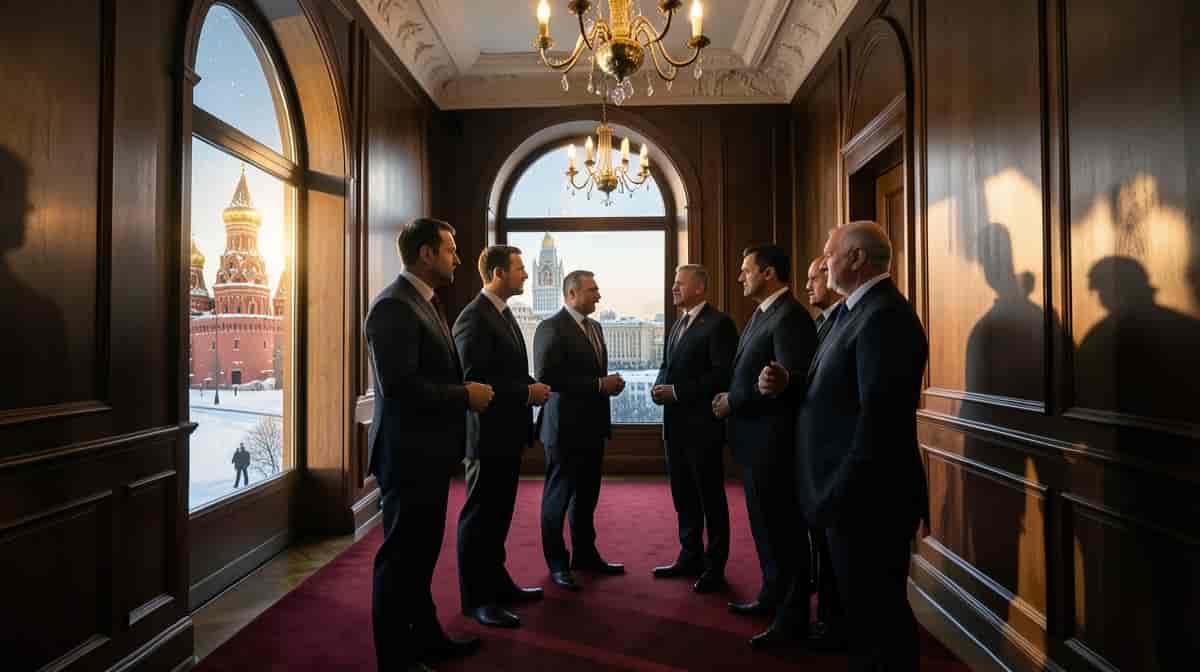
The invisible clock of international diplomacy has begun a countdown that few in Moscow or Kyiv can afford to ignore. As Trump Ukraine envoys deliver a series of stark warnings to Russian leadership, the prospect of a frozen conflict is being replaced by an urgent, deadline-driven push for a final settlement. The window for reaching a diplomatic agreement is closing rapidly, signaling a potential shift in the trajectory of the war that has defined European security for years.
Reports indicating that representatives appointed by Donald Trump have delivered a direct ultimatum to the Kremlin highlight a significant change in the intensity of U.S. diplomatic pressure. These envoys have reportedly made it clear that the timeframe for Moscow to secure a negotiated settlement is limited, creating a new sense of urgency among international stakeholders who are tracking the Russia-Ukraine war. This development comes at a time when diplomatic positions remain deeply divided, with both sides testing the limits of their respective leverage.
The window for a negotiated settlement is closing rapidly, forcing all parties to clarify red lines before diplomatic options are exhausted and hostilities potentially escalate.
The Urgency Behind the Latest Russia Ukraine Deal Warnings
The intervention of these specific envoys marks a critical juncture in the conflict's timeline. According to reports from the Kyiv Independent, the message delivered to Russia emphasizes that the current window for a deal will not remain open indefinitely. This aggressive political pressure is intended to signal to Moscow that the domestic and international political windows for favorable terms are narrowing. For the Kremlin, the warning implies that the leverage they currently hold could dissipate if a baseline for negotiations is not established soon.
The push for an accelerated timeline is not merely a matter of rhetoric. It reflects a strategic attempt to leverage shifting diplomatic dynamics to force a breakthrough in what has become a protracted stalemate. By establishing firmer ultimatums, international intermediaries are attempting to bypass the slow-moving channels of traditional diplomacy in favor of a more direct, deadline-oriented approach. This messaging suggests that the U.S. side is seeking a resolution before diplomatic options narrow further, which could significantly alter the military strategies and diplomatic alignments of all parties involved.
Moscow’s Rigid Counter-Framework and NATO Demands
While the U.S. envoys push for speed, Russia has responded by reviving long-standing demands that complicate the pathway to peace. Reports from The New York Times indicate that Russia has once again demanded that NATO retrench as a condition for any potential Ukraine deal. This call for NATO to pull back its footprint in Eastern Europe remains a major hurdle for Western allies and Ukrainian leadership, who view such concessions as a threat to regional stability and sovereign security.
The revival of these demands underscores the difficulty of reaching a consensus that satisfies all stakeholders. For Russia, the retrenchment of NATO is a core strategic objective that they have integrated into their baseline for negotiations. This competing position creates a paradox: while the U.S. envoys are urging a quick resolution, the fundamental requirements for that resolution involve complex geopolitical shifts that traditionally take years, not weeks, to resolve. The tension between the urgency of the U.S. timeline and the rigidity of Russian demands defines the current diplomatic landscape.
The Role of NATO in the Security Framework
The demand for NATO retrenchment is not just a territorial issue but a fundamental question of the future security architecture of Europe. Diplomatic talks are currently balancing these complex geopolitical demands against the immediate need for a ceasefire. For NATO, the prospect of retrenching at the request of Moscow poses a significant test of collective resolve, forcing member states to weigh the benefits of a peace deal against the long-term implications of appearing to concede to Russian pressure.
- Russia calls for NATO to pull back its eastern footprint.
- Western allies remain committed to Ukrainian sovereignty.
- Envoys emphasize that the timeframe for a settlement is severely limited.
Strategic Pressures and Historical Precedents
Analysts looking at the current push for a deal have identified the root cause of this sudden urgency as the protracted stalemate of the war itself. When a conflict reaches a point where neither side can achieve a decisive military victory without catastrophic costs, external powers often step in with stricter timelines. The current situation draws a historical parallel to the 1995 Dayton Accords, where external powers imposed strict deadlines and intense pressure to halt a protracted European conflict. In that instance, the ultimatum-driven approach was successful in forcing combatants to the table, though it required immense diplomatic capital.
Beyond the public warnings, it is believed that backchannel negotiations may be leveraging secondary sanctions or implicit concessions regarding NATO's eastern posture to compel Russian engagement. The diplomatic endgame involves more than just the immediate combatants; it tests the resolve of the entire international community. The urgency of a deal also reflects mounting economic costs for both the regional combatants and the supporting Western economies, as the prolonged conflict continues to drain resources and deepen dependencies on sanctioned trade routes.
Global Consequences: Technology and Trade
The ripples of this diplomatic pressure are being felt far beyond the borders of Ukraine and Russia. In the tech sector, Chinese AI firms are reportedly rushing to secure Nvidia chip capacity. This move is driven by a fear of potential U.S. curbs and a spy scandal that has stirred global markets. As the geopolitical friction surrounding the Ukraine deal intensifies, secondary powers like China are forced to adjust their technological and strategic hedges.
| Phase of Negotiation | Current Diplomatic Status |
|---|---|
| Baseline Demands | Russia revives calls for NATO to retrench from eastern borders. |
| Direct Intervention | Trump Ukraine envoys issue explicit warnings regarding limited timeframes. |
| Tech Market Response | Chinese AI firms hedge against shifting trade and security curbs. |
| Economic Outlook | Prolonged conflict increases resource drain and sanctions dependency. |
The technological scramble highlights how the war in Ukraine has become a catalyst for broader global shifts. Fear of further trade curbs or shifting U.S. foreign policy has led firms to prioritize immediate security over long-term planning. This "geopolitical hedge" is a direct result of the uncertainty created by the high-level diplomatic maneuvers currently underway in the effort to resolve the conflict.
What US Russia Diplomacy Means for the Future of Kyiv
For the people living in Ukraine and the military forces on the front lines, the messaging from U.S. envoys is a signal of potential shifts in the military and diplomatic landscape. A forced timeline for negotiations could lead to a ceasefire, but it also risks a rushed agreement that may not address the underlying causes of the invasion. The conflict, which began with Russia's invasion, has already prompted widespread international condemnation and extensive economic sanctions, but the ultimate outcome remains tethered to these high-level talks.
The human cost of the conflict continues to mount as these negotiations unfold. Citizens across European nations and the global economy remain affected by the ripple effects of the crisis, from energy prices to supply chain disruptions. If the major powers are successful in forcing a timeline, the resulting deal will directly impact European security for the next generation. However, if the ultimatum rhetoric fails to break the deadlock, it could lead to a complete breakdown in negotiations and an escalation of hostilities.
Predicting the Next 72 Hours
The immediate future of these negotiations will likely be defined by the responses of the key players involved. Within the next 24 hours, diplomatic messaging regarding the urgency of a deal is expected to circulate further among international stakeholders. We can expect Trump envoys to continue their pressure on Russia, forcing a clarification of the negotiation timelines.
Looking toward the next 72 hours, observers anticipate further diplomatic positioning from Russian authorities concerning the NATO demands. Whether Moscow will alter its stance or accept the proposed timeline remains the central question. Experts predict that while the intensifying pressure will force both sides to clarify their red lines, a significant breakthrough remains uncertain given the entrenched demands regarding territorial security and international alliances.
Best and Worst Case Scenarios
In the best-case scenario, the increased diplomatic urgency compels all parties to engage in serious compromise talks, laying the groundwork for a viable peace framework that respects regional security. Conversely, the worst-case scenario involves a complete failure of the ultimatum approach, where the expiration of the negotiation window leads to a total breakdown in communication, potentially resulting in a renewed and more intense phase of the war.
Frequently Asked Questions
What did Trump's envoys recently warn Russia regarding the Ukraine deal?
Trump's envoys have issued a stern warning to Russia that time is quickly running out to secure a formal peace deal regarding the conflict in Ukraine. The message underscores an urgency from the U.S. side to reach a resolution before diplomatic options narrow further.
Why is the timing of this warning from Trump's envoys critical?
The warning matters because ongoing delays in negotiations allow the conflict to prolong, increasing geopolitical risks and casualties. Establishing a timeline helps force both sides to address key diplomatic hurdles or face shifting U.S. policy stances.
Who is affected by the ultimatum issued by Trump's envoys?
The primary parties affected include Russian leadership, Ukrainian officials, and international allies monitoring the stability of Eastern Europe. A failure to secure a deal directly impacts regional security and the future trajectory of international relations.
What happens next if Russia fails to meet the expectations of Trump's envoys?
While formal outcomes depend on immediate diplomatic responses, a lack of progress could lead to altered foreign policy approaches or increased pressure from Western nations. The expiration of this window may prompt the U.S. to reassess its mediation strategy.
What background context surrounds Russia's demands for a Ukraine deal?
Recent reports indicate that Russia has revived specific demands, such as calling for NATO to retrench as part of any security framework for Ukraine. These competing positions have complicated ongoing peace talks and necessitated urgent diplomatic intervention.
What specific detail highlights the pressure surrounding the current Ukraine negotiations?
Reports from outlets like The Kyiv Independent emphasize that envoys are explicitly placing a time limit on Moscow's willingness to negotiate in good faith. This specific constraint signals a more aggressive deadline-driven approach by American representatives.
Conclusion
The intervention of **Trump Ukraine envoys** has introduced a volatile new element into the Russia-Ukraine peace process. By issuing an explicit warning that time is running out, the U.S. has signaled a departure from open-ended diplomacy in favor of a deadline-driven strategy. However, the success of this approach remains tethered to Russia’s willingness to move past its demands for NATO retrenchment and Ukraine’s requirement for sovereign security. As the international community watches, the next few days will determine whether this ultimatum leads to a viable peace framework or a dangerous escalation of the deadlock. The realistic next steps involve a period of intense clarifying diplomacy, where the red lines of all parties will be tested against the ticking clock of global expectation.
Sources
- GTA 6 hacker pleads guilty after release from secure hospital — BBC
- Securing the agentic insider — The Official Microsoft Blog
- Exclusive: Trump's envoys warn Russia that time is running out to secure a deal on Ukraine — The Kyiv Independent
- Windows security at Ignite 2026: Start secure, protect what matters, prepare for AI — Windows Blog
- EXCLUSIVE: Chinese AI firms rush to secure Nvidia chip capacity as spy scandal stirs fear of US curbs — Reuters
- Russia Revives Demand That NATO Retrench to Secure Ukraine Deal — The New York Times


