
Ukrainian SPYS Interceptor Engagement With Russian Geran-5 Missile Success
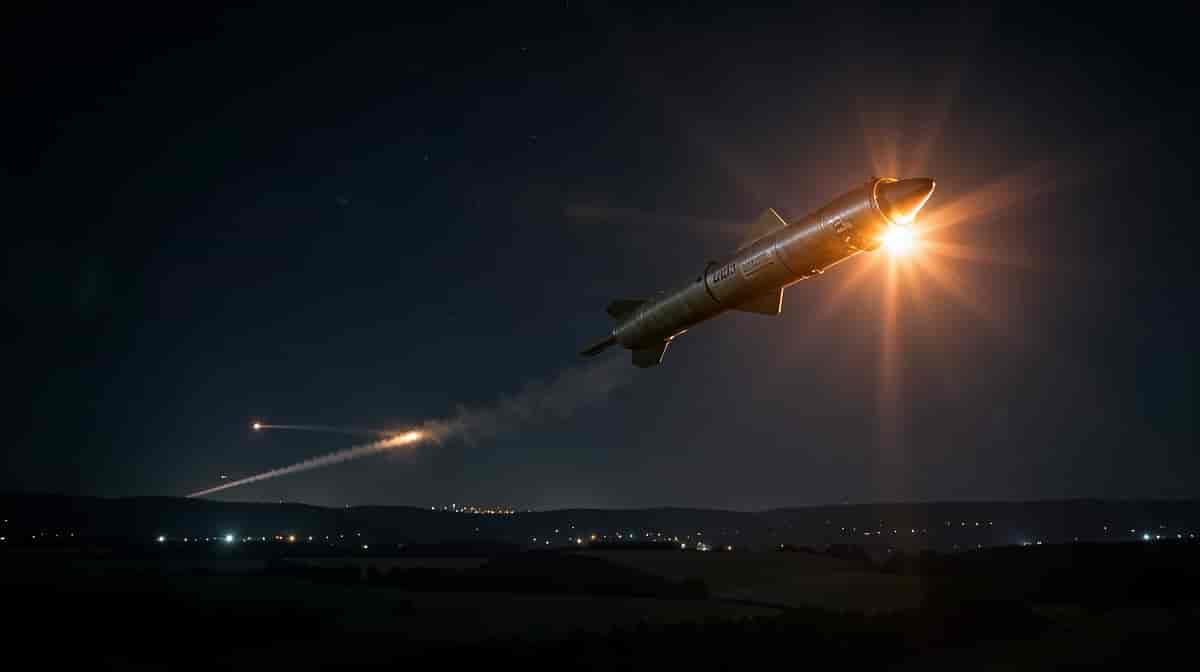
The silent transition from piston-driven drones to jet-powered cruise missiles has forced a radical rethink of how a nation protects its airspace. In a significant development for modern combat, the newly deployed Ukrainian SPYS interceptor successfully downs a Russian Geran-5 cruise missile, marking a milestone in air defense technology. This engagement represents more than just a tactical victory; it signals a fundamental shift in the economics of attrition, where low-cost, specialized interceptors are now capable of neutralizing high-speed, jet-powered threats that previously required million-dollar missiles to stop.
The successful deployment of the SPYS interceptor against a fast, jet-powered cruise missile like the Geran-5 demonstrates a potentially cost-effective method to counter advanced aerial attacks without depleting a nation's stock of expensive, traditional surface-to-air missiles.
A Technological Leap in Aerial Defense
The interception, which took place in late November 2026, involved the advanced SPYS interceptor system successfully targeting and bringing down the Russian Geran-5 K5-K cruise missile. This specific variant of the Russian arsenal is known to reach speeds exceeding 450 km/h, a velocity that places it well beyond the reach of standard first-generation interceptor drones. The success of the SPYS system highlights the rapid evolution of counter-drone technology, moving away from simple kinetic solutions toward sophisticated, high-speed interception platforms.
As aerial threats become faster and more elusive, defense forces are increasingly relying on specialized interceptor drones rather than traditional, high-cost air defense missiles. The SPYS system is the result of a collaborative defense development between German and Ukrainian technological efforts, combining European engineering with Ukrainian combat-tested innovation. This partnership has yielded a capability designed specifically to counter elusive high-speed airborne targets that have begun to dominate the modern battlefield.
The Evolution of the Geran-5 Cruise Missile
The Geran-5 represents a significant evolution in Russia's loitering munitions and cruise missile technology. Historically, the conflict saw the widespread use of slower, piston-engine drones, but the Geran-5 marks a transition into faster jet-powered variants. These newer models are engineered to be more elusive and harder to shoot down with conventional air defense systems.
- The Geran-5 K5-K is a jet-powered variant capable of speeds exceeding 450 km/h.
- It represents an evolution of the traditional Shahed-style drone technology into a true cruise missile capability.
- The transition to jet propulsion allows these missiles to bypass traditional low-altitude defenses that were optimized for slower targets.
- By transforming loitering munitions into faster cruise missile-like threats, Russian forces have attempted to increase the pressure on Ukrainian airspace.
This shift in Russian tactics necessitated an asymmetric response. The introduction of high-speed jet-powered drones meant that standard interception methods were becoming increasingly cost-prohibitive and technically challenged. The deployment of the SPYS interceptor addresses this gap by matching the speed and agility of the incoming threat with a dedicated, cost-effective counter-measure.
Strategic and Economic Implications
The successful interception points to a critical cost-asymmetry advantage. Multi-million-dollar traditional air defense systems are often used to target drones that cost a fraction of the price. However, the SPYS interceptor offers a more sustainable financial model for long-term attrition warfare. By utilizing interceptor drones, defense forces can protect critical infrastructure without exhausting the supply of expensive surface-to-air missiles required for larger strategic threats.
The successful interception points to the discreet integration of advanced artificial intelligence or high-speed visual tracking mechanisms in low-cost interceptor drones, hinting at a quiet leap in autonomous targeting capabilities.
This economic angle is vital for the continued defense of conflict zones. As both sides iterate on unmanned aerial vehicles, the ability to produce and deploy low-cost counter-measures becomes a decisive factor in maintaining airspace sovereignty. The joint European-Ukrainian development of the SPYS system also demonstrates the efficacy of collaborative military startups and localized counter-drone production. This success is likely to pressure Western political leaders to further fund similar collaborative defense technology initiatives.
Global Defense and Geopolitical Shifts
The success of the SPYS interceptor against a jet-powered cruise missile is being closely watched by defense analysts and military tech enthusiasts worldwide. It signals a technological leap in tactical air defense that could influence global defense export markets. Strategic interest is already shifting toward agile, German-Ukrainian co-developed counter-UAV systems.
- Russia introduces high-speed jet-powered Geran-5 cruise missiles exceeding 450 km/h to penetrate existing defenses.
- Defense firms accelerate the deployment of specialized high-speed counter-measures like the SPYS system.
- The successful combat engagement proves the viability of specialized interceptor drones against jet-powered threats.
This development follows a historical parallel reminiscent of the rapid development of specialized night-fighter aircraft and radar tactics during the Battle of Britain. Just as that era saw a constant cycle of measure and counter-measure to address changing bombing threats, the current landscape of Ukraine drone warfare is driving a similar pace of innovation.
Analysis of the Root Cause and Future Outlook
The root cause of this technological surge is the rapid evolution of unmanned aerial warfare in the Russia-Ukraine conflict. Russia's deployment of faster, jet-powered Geran-5 cruise missiles necessitated the creation of asymmetric air defense solutions. Traditional systems were not designed to handle a high volume of small, fast, jet-powered drones in a cost-effective manner.
The SPYS interceptor represents a localized solution that has global implications. Military forces relying on modern air defense systems, populations living under constant threat of aerial bombardment, and defense manufacturers are all affected by this milestone. The following table summarizes the comparative capabilities and the timeline of the recent engagement.
| Feature | Geran-5 K5-K Missile | SPYS Interceptor Drone |
|---|---|---|
| Propulsion | Jet-Powered | High-Speed Interceptor |
| Speed | Over 450 km/h | Target-Matching Velocity |
| Origin | Russia | German-Ukrainian Collaboration |
| Role | High-speed strike/Loitering | Specialized Interception |
| Engagement Date | Late November 2026 | Late November 2026 |
Looking forward, the successful interception of a Russian Geran-5 cruise missile by a German-Ukrainian SPYS interceptor drone has been documented by multiple defense news sources including UNITED24 Media, Euronews, and Ukrinform. While the success is confirmed, further details regarding the exact location of the interception and potential debris recovery analysis are still developing. Both nations are likely to see an accelerated deployment of these specialized interceptor drones as aerial threats continue to evolve toward faster, more elusive jet-powered designs.
Frequently Asked Questions
What is the SPYS interceptor and how did it affect the Geran-5?
The German-Ukrainian SPYS interceptor drone successfully shot down a Russian jet-powered Geran-5 cruise missile. This event marks a notable tactical interception involving the advanced interceptor system.
Why is the interception of the Geran-5 significant?
This interception highlights the growing effectiveness and technological advancement of collaborative German-Ukrainian defense hardware. Successfully targeting a jet-powered threat demonstrates improved capabilities against elusive aerial targets.
Who is affected by the deployment of the SPYS interceptor?
Ukrainian defense forces directly benefit from these advanced interceptors for better airspace protection. Conversely, Russian military planners face new challenges as their elusive drone and missile variants are increasingly neutralized.
What happens next in the deployment of counter-drone technologies?
Both nations are likely to see accelerated development and deployment of specialized interceptor drones like the SPYS system. As aerial threats evolve toward faster jet-powered designs, defense strategies will increasingly rely on agile, cost-effective counter-measures.
What background details are known about the Geran-5 cruise missile?
The Geran-5 represents a significant evolution in Russia's loitering munitions and cruise missile technology, transitioning from traditional Shahed designs into faster jet-powered variants. These newer models are engineered to be more elusive and harder to shoot down with conventional air defense.
What specific performance capability does the Geran-5 possess?
Reports indicate that the Geran-5 K5-K variant is capable of reaching speeds exceeding 450 kilometers per hour. This high velocity makes interception particularly challenging, underscoring the technical achievement of the SPYS drone.
Conclusion
The successful interception of a Russian jet-powered Geran-5 cruise missile by the German-Ukrainian SPYS interceptor drone marks a transformative moment in modern air defense. By neutralizing a target capable of speeds exceeding 450 km/h, the SPYS system has proven that specialized interceptor drones can provide a cost-effective and technically viable solution to high-speed aerial threats. This development not only demonstrates the efficacy of joint European-Ukrainian defense technology but also signals a shift in the economics of warfare, prioritizing agile and sustainable counter-measures over traditional, expensive missile systems. As both drone and counter-drone technologies continue to advance, the success of the SPYS interceptor will likely serve as a blueprint for future tactical air defense strategies globally.
Sources
- Ukraine Just Shot Down Russia’s Elusive New Geran-5 K5-K Cruise Missile With One Drone — UNITED24 Media
- German-Ukrainian interceptor shoots down Russian jet-powered drone, company says — Euronews.com
- German-Ukrainian SPYS interceptor drone shoots down Russian jet-powered Geran-5 — Ukrinform
- Ukrainian SPYS Intercepted Geran-5 K5-K, Which Reaches Speeds of Over 450 km/h — Мілітарний
- New SPYS interceptor shot down Russia’s Geran-5 cruise missile — The Defence Blog
- Geran-5: How Russia’s Shaheds Became Cruise Missiles — UNITED24 Media


