
Vedanta Anil Agarwal Support For CIE Scheme May Reshape Indian Industry
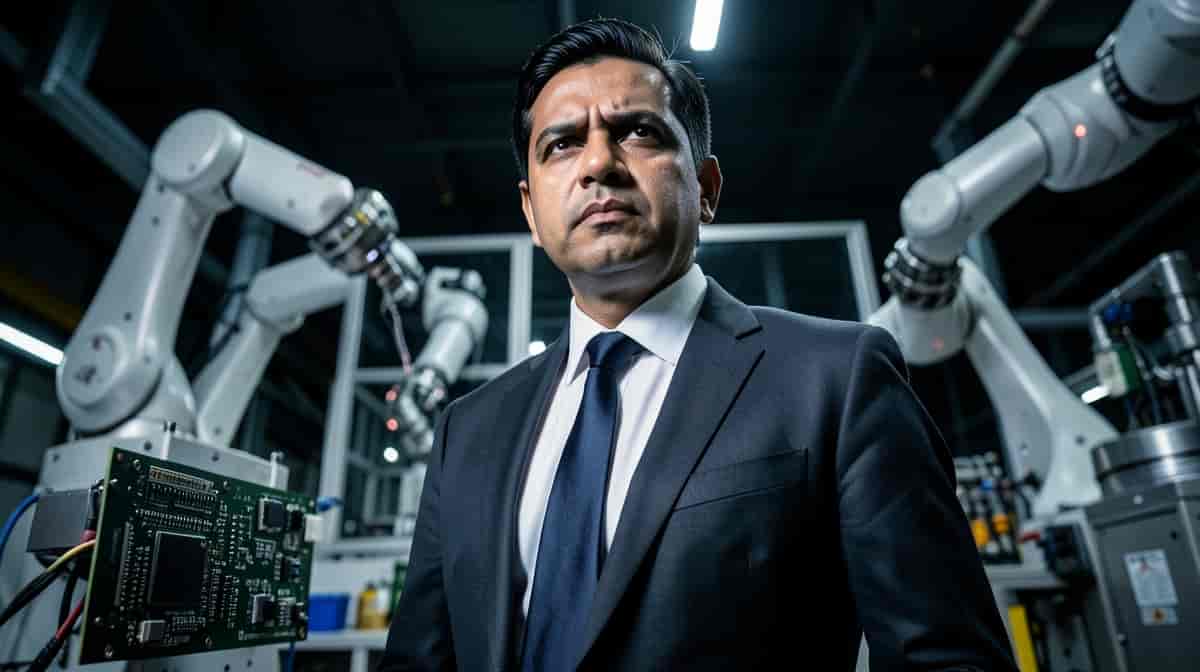
A massive ₹11,000-crore industrial incentive just received the backing of one of the world's most prominent industrial leaders, signaling a new era of public-private synergy. Vedanta Anil Agarwal backs CIE scheme in a move that market observers believe will significantly alter the trajectory of the Indian economy and fortify the nation’s manufacturing policy for decades to come.
By aligning the weight of a global conglomerate with this significant government-backed program, the announcement moves beyond simple corporate endorsement. It represents a strategic convergence between large-scale industrial capital and national economic objectives. As the global landscape for manufacturing becomes increasingly competitive, this development highlights the eagerness of the private sector to collaborate on financial programs designed to enhance domestic production and global standing.
The ₹11,000-crore CIE scheme serves as a central pillar for accelerating industrial capacity and fostering global competitiveness within the Indian market.
The Strategic Alignment of Vedanta
The endorsement from billionaire Anil Agarwal, Chairman of Vedanta, comes at a pivotal moment for the group and the broader industrial sector. Agarwal has publicly welcomed the ₹11,000-crore Competitiveness Incentive for Enterprises (CIE) scheme, emphasizing its potential to revolutionize the landscape of Indian enterprise. This support is not merely rhetorical; it is backed by a period of significant financial momentum for Vedanta Resources.
Recently, Vedanta Resources reported a record H1 FY27 EBITDA of US$4.9 billion, a figure that underscores the company’s robust operational health and its capacity to lead in capital-intensive sectors. This financial strength provides a solid foundation for the group’s engagement with major economic initiatives like the CIE. However, the backdrop of this endorsement also includes complex regulatory and strategic discussions. Agarwal has previously raised concerns regarding the potential impact on investor sentiment if specific asset transfers, such as the Vedanta block transfer to ONGC, were to proceed without careful consideration.
The timing of this support suggests a dual-purpose strategy. While Agarwal is genuinely focused on industrial development, his alignment with national manufacturing policy also reinforces the group's position as a critical partner in the country’s economic journey. For investors and business leaders, this endorsement signals that large-scale corporations are increasingly viewing government incentive programs as essential tools for long-term growth and supply chain resilience.
Deconstructing the ₹11,000-Crore CIE Framework
The CIE scheme, also referred to as the Central Incentive Scheme in certain industrial circles, is a strategic funding initiative designed to provide crucial fiscal backing for enterprises. With an allocation of ₹11,000 crore, the program aims to boost enterprise competitiveness through targeted capital injections and industrial incentives. This scale of investment is intended to stimulate domestic manufacturing, attract private capital, and address vulnerabilities in the global supply chain.
For industrial manufacturers and investors, the rollout of the CIE scheme represents a tangible commitment to the manufacturing sector's trajectory. By providing a structured framework for incentives, the scheme seeks to accelerate capital expenditure (Capex) and enhance industrial output. This is particularly relevant as nations globally look to secure their industrial bases against external commodity shocks and geopolitical disruptions.
| Fact | Detail |
|---|---|
| Primary Target | Manufacturing and Industrial Enterprises |
| Financial Outlay | ₹11,000 Crore |
| Vedanta H1 FY27 Performance | US$4.9 Billion EBITDA |
| Key Proponent | Anil Agarwal, Chairman of Vedanta |
| Reporting Date | Late November 2026 |
Public-Private Synergy and Economic Reform
The political and economic implications of Vedanta’s support for the CIE scheme are profound. Analysts view this alignment as a reinforcement of the national narrative surrounding self-reliance and the Atmanirbhar Bharat initiative. By publicly backing a government-led economic package, industrial leaders like Agarwal help build a consensus around the efficacy of these programs. This public-private synergy is essential for achieving long-term economic stability and industrial expansion.
From an economic perspective, the CIE scheme provides the necessary fiscal environment to encourage major industrial players to commit to larger projects. It addresses the fundamental need for government support in high-stakes sectors where global competition is fierce. The scheme acts as a catalyst, potentially unlocking further private investment by reducing the initial risks associated with large-scale industrialization and technological upgrades.
Support from major industrial players like Vedanta gives a strong vote of confidence to government-backed economic packages, potentially unlocking further private investment.
The Role of Domestic Manufacturing Policy
The push for domestic manufacturing is not just about production; it is about creating a secure node in global supply chains. The CIE scheme is strategically placed to enhance India's domestic industrial base, particularly in sectors that are vulnerable to external shocks. By strengthening these sectors, the policy helps reduce dependencies on foreign supply chains and enhances the overall economic resilience of the country.
Impact on Stakeholders
The primary beneficiaries of this scheme include industrial manufacturers, Vedanta investors, and the broader manufacturing sector. These stakeholders stand to benefit from a more competitive environment fostered by government incentives. For investors, the alignment between corporate leadership and national policy provides a level of predictability and confidence that is crucial for long-term capital commitment.
The Geopolitical Angle and Regulatory Signaling
In the current geopolitical climate, strengthening the domestic industrial base is a matter of national security and economic sovereignty. The CIE scheme is a part of a broader strategy to ensure that critical minerals and essential manufacturing processes are handled within a secure and reliable framework. Vedanta's involvement, given its focus on natural resources and metals, is particularly relevant to this geopolitical objective.
There is also a subtler, strategic signaling element at play. For a billionaire industrialist like Anil Agarwal, public backing of state-backed economic schemes can serve as a tool to navigate ongoing regulatory scrutiny. Given the earlier warnings regarding block transfers and investor sentiment, demonstrating a strong commitment to national economic goals can help balance the relationship between large corporations and regulatory bodies. This alignment ensures that the company remains at the center of the country's industrial conversation.
Behind the Numbers: Financial Health and Market Sentiment
Vedanta's recent financial performance provides the context needed to understand why its endorsement matters. Reporting a record H1 FY27 EBITDA of US$4.9 billion indicates that the group has the financial firepower to participate in and benefit from the CIE scheme. This level of profitability during a time of global economic shifts highlights the resilience of the group's business model.
However, the industrial landscape remains complex. While the CIE scheme is a positive development, market observers continue to monitor ongoing evaluations of corporate financial health and investor sentiment across the commodities sector. The balance between aggressive industrial expansion and the maintenance of stable investor relations is a key theme for Vedanta as it moves forward.
Historical Parallels in Industrial Development
Analysts have drawn parallels between the current push for industrial incentives and the post-independence era of state-backed heavy industrialization. In the mid-20th century, a mixed-economy framework was used to build the foundational sectors of the economy. Today, the CIE scheme represents a modern iteration of that philosophy, using targeted incentives to drive private sector participation in high-priority industrial goals. This historical context underscores the importance of the CIE scheme as a tool for long-term structural change.
What Lies Ahead for Indian Industry
The next 24 to 72 hours are expected to see intense analysis from industry stakeholders and market observers. Discussions will likely focus on the specific implementation of the CIE scheme and how other major conglomerates might align their capital expenditure programs with this national initiative. There is a general expectation that strong backing from prominent leaders will bolster confidence in private sector Capex, leading to enhanced economic output.
Predictions and Trajectories
- Next 24 Hours: Analysts will focus on the immediate industrial manufacturing and economic growth trajectories triggered by Vedanta's endorsement.
- Next 72 Hours: Broader evaluations will begin regarding how major players are aligning with national manufacturing frameworks.
- Expert Outlook: Analysts expect that continued collaboration between the private sector and government frameworks will lead to improved supply chain capabilities and accelerated investments.
The best-case scenario involves a rapid rollout of the fund leading to a surge in industrial expansion. Conversely, the worst-case scenario would see investor concerns regarding governance or asset transfers overshadowing the positive policy backing, potentially leading to a more cautious market reaction.
Frequently Asked Questions
What is the CIE scheme that Vedanta's Anil Agarwal recently backed?
Vedanta Chairman Anil Agarwal has publicly welcomed and backed the ₹11,000-crore CIE scheme. The initiative is a significant development in the manufacturing and industrial sector supported by industry leaders.
Why does Anil Agarwal supporting the ₹11,000-crore CIE scheme matter?
Agarwal's backing signals strong industrial confidence in large-scale government and economic initiatives aimed at boosting manufacturing. Such endorsements from prominent billionaire industrialists often help drive broader participation and momentum for major economic policies.
Who is affected by the rollout of the CIE scheme?
Key stakeholders in India's manufacturing, industrial, and economic sectors are directly impacted by large funding initiatives like the CIE scheme. Corporations, investors, and industrial enterprises stand to benefit from the growth and development fostered by such capital allocations.
What happens next following Vedanta's endorsement of the scheme?
Following the backing from industry leaders like Anil Agarwal, attention will likely shift toward the implementation and deployment of the ₹11,000-crore fund. Observers will monitor how enterprises utilize these resources to accelerate industrial output and expansion.
What is the background of Vedanta's involvement in major economic initiatives?
Vedanta Resources, under the leadership of Anil Agarwal, frequently engages with major national economic policies and reports robust financial performance, such as its recent record H1 FY27 EBITDA. The company remains a vocal participant in discussions surrounding India's industrial growth and investment climate.
What specific financial figure is associated with the CIE scheme backed by Vedanta?
The CIE scheme backed by Vedanta's Anil Agarwal involves a substantial financial outlay of ₹11,000 crore. This substantial investment highlights the scale of the initiative aimed at driving industrial and manufacturing advancements.
Conclusion
The endorsement of the ₹11,000-crore CIE scheme by Anil Agarwal marks a significant milestone in the relationship between India’s industrial giants and its national manufacturing policy. With Vedanta reporting record financial results, the company is well-positioned to lead the private sector’s engagement with this ambitious incentive program. While challenges such as regulatory scrutiny and asset transfer debates remain on the horizon, the focus for now remains on the potential for the CIE scheme to accelerate industrial growth and strengthen domestic supply chains. The next phase of this development will depend on the effective implementation of the scheme and the continued alignment of major industrial players with India’s long-term economic objectives.
Sources
- Anil Agarwal Welcomes ₹11,000-Crore CIE Scheme — Machine Maker
- Billionaire Anil Agarwal Enjoys London's Winter Wonderland, Recalls Sonepur Mela Memories — NDTV
- Anil Agarwal & family — Forbes
- Vedanta’s Anil Agarwal backs ₹11,000-crore CIE scheme — Manufacturing Today India
- Anil Agarwal warns Vedanta block transfer to ONGC could deter investors — Business Standard
- Vedanta Resources Reports Record H1 FY27 EBITDA of US$4.9 Billion — Machine Maker


