
AI Data Center Opposition Signals a Major Shift in US Infrastructure
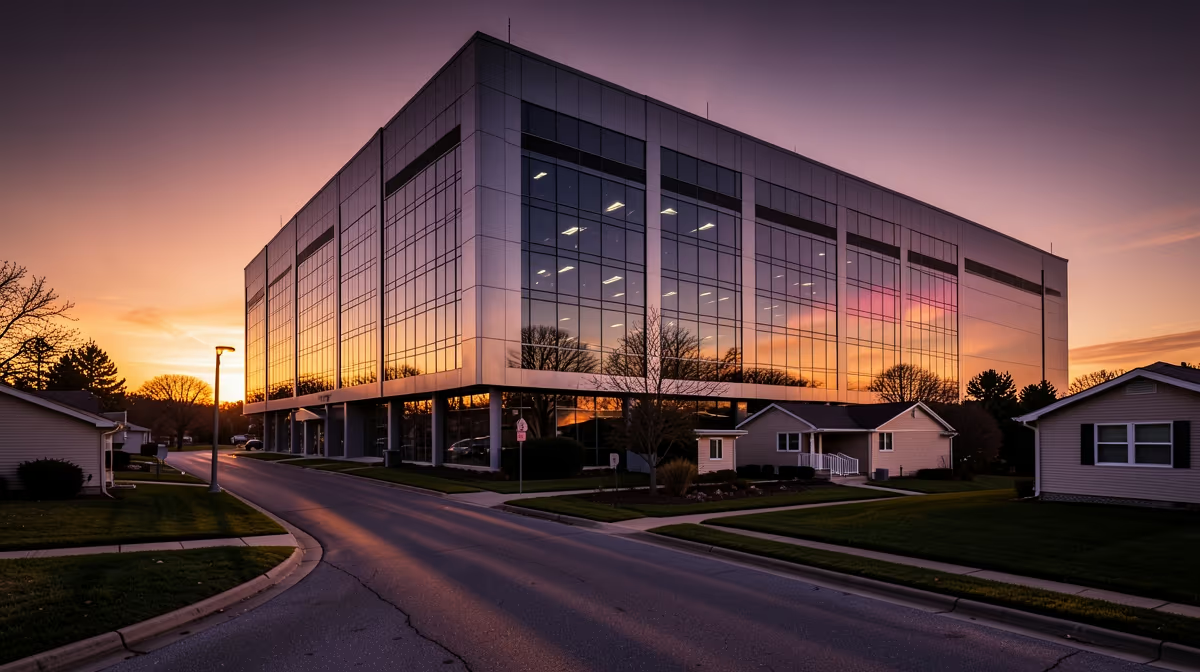
As tech giants race to expand infrastructure, AI data center public opposition is growing rapidly across the US, fueled by concerns over local energy consumption and grid stability. This mounting friction between the digital world’s insatiable hunger for processing power and the physical limits of local utility grids is creating a significant bottleneck for the future of the global AI economy.
The Anatomy of Local Resistance
Across the United States, neighborhoods are pushing back against the construction of massive data centers designed to house the hardware fueling modern generative artificial intelligence. These facilities, essentially giant warehouses filled with high-density server racks, have moved from isolated industrial zones into closer proximity with residential areas. Residents are increasingly challenging zoning permits and environmental impact assessments, citing significant concerns regarding the transformation of their local landscapes.
The conflict stems from the sheer scale of these projects. Unlike traditional server farms of the past decade, current AI-focused facilities require dedicated high-voltage power substations and millions of gallons of water for cooling. In states like Virginia, Arizona, and Illinois, community members are organizing to demand greater transparency regarding how these sites are approved and what long-term impact they will have on local infrastructure, property values, and environmental health.
Understanding the Infrastructure Bottleneck
The primary driver of this tension is the collision between immediate local resource scarcity and the high-value requirements of the digital arms race. AI data centers operate with extreme energy density compared to legacy server infrastructure. Because these machines require constant operation, they force utility providers to manage massive, concentrated loads that can strain regional power grids. This creates a ripple effect where residents fear that upgrades required to sustain these tech-heavy zones will result in higher utility bills for the general population.
Beyond electricity, the environmental footprint of cooling systems remains a point of intense public scrutiny. Many modern facilities utilize evaporative cooling, which requires millions of gallons of water annually. In regions already facing drought conditions, this usage is viewed by local advocacy groups as an unsustainable drain on municipal water supplies. Coupled with reports of persistent, low-frequency noise pollution from massive industrial air conditioning units and backup generators, the quality of life for nearby homeowners has become a central focus of local political discourse.
The Political and Economic Paradox
The situation has created a complex political landscape where local municipal autonomy is frequently tested. State-level governments often incentivize the growth of tech infrastructure through tax breaks and accelerated zoning, viewing it as a prerequisite for competitive advantage. However, this often conflicts with the priorities of local boards that must contend with the day-to-day realities of infrastructure degradation and resident complaints.
Economically, the issue is complicated by the nature of the jobs created. Once construction concludes, these facilities offer limited long-term employment relative to the massive capital expenditure invested in them. Critics argue that this creates a disparity where the surrounding community bears the brunt of environmental and grid-related costs, while the significant cognitive and financial dividends are concentrated elsewhere in tech hubs. This tension is leading to a shift in how infrastructure is negotiated, with observers noting that Community Benefit Agreements are becoming a necessary mechanism to move projects forward without the constant threat of litigation.
A Shifting Regulatory Horizon
The next 24 to 72 hours are expected to see a significant uptick in activity as local community groups schedule emergency town hall meetings to discuss impending projects. Social media campaigns questioning the sustainability of water usage are gaining momentum, which will likely force municipal leaders to take a more cautious approach to new permit approvals. In regions such as Virginia and Arizona, observers expect to see an increase in state-level legislative filings aimed at placing temporary moratoriums on new data center developments until better regulatory oversight is established.
Public utility commissions are also under pressure to re-evaluate how they integrate these massive loads into their long-term planning. The current reality is that industrial projects of this magnitude are becoming strategic choke points. If the pushback remains unresolved, firms face the risk of repeated litigation and civil protests, which could lead to state-level freezes on construction. Conversely, a more collaborative planning cycle, focused on site selection that minimizes the ecological footprint, could help satisfy local utility capacity needs while preventing the regional economic stagnation that might arise from total project rejection.
Historical Context and Future Impact
This tension mirrors the 1970s era, when communities across the country similarly challenged the placement of nuclear power plants. That movement forced a national shift in how infrastructure is planned, leading to greater regulatory transparency. The current AI-driven growth trajectory faces a similar turning point. The industry is currently moving through a phase of transition from the 2010s, when projects were largely welcomed for their tax benefits, to the 2024 era, where every new site is subject to rigorous public debate.
The long-term success of the domestic AI industry may depend on how quickly firms can transition from a strategy of rapid scaling to one of sustainable integration. As the digital backbone of the modern economy grows, the industry must address the environmental and social stability concerns of the communities where these facilities are physically anchored. Failing to resolve these gaps could result in a structural deficit in processing power that lasts for years, impacting the broader U.S. competitive standing in global technology markets.
Frequently Asked Questions
Why are local communities opposing new AI data centers?
Local communities often oppose new AI data centers due to concerns over high electricity consumption and the potential strain on the regional power grid. Additionally, residents frequently cite worries regarding excessive water usage for cooling systems and the potential noise pollution generated by industrial fans and cooling towers.
Do data centers increase local utility bills?
In some cases, residents fear that the massive energy demands of AI data centers could drive up utility costs for the general public. While utility providers often invest in infrastructure upgrades to handle this load, concerns persist that these costs may be passed on to residential ratepayers.
What are the primary environmental impacts of AI data centers?
The primary environmental concerns involve the significant carbon footprint associated with powering high-density computing hardware and the intensive water consumption required for cooling. Environmental groups are increasingly calling for better transparency regarding the total resource usage of these facilities.
How does AI data center development affect local water supplies?
AI data centers can require millions of gallons of water annually for evaporative cooling, which can compete with local agricultural and residential water needs. In drought-prone regions of the United States, this high consumption is a major point of contention during the planning and permitting phase.
Are there legal challenges to building data centers in residential areas?
Yes, community groups frequently file lawsuits or petition local governments to block construction based on zoning disputes and environmental impact assessments. These legal challenges often focus on the potential for reduced property values and the loss of rural or natural land characteristics.
What are the main noise complaints related to data centers?
Residents living near data centers often report significant noise pollution caused by massive cooling fans and backup generators that run constantly. This persistent low-frequency hum can disrupt the quality of life for nearby neighborhoods, leading to protests and requests for stricter noise ordinances.
Conclusion
The rise of AI-driven infrastructure is physically reshaping the American landscape, placing unprecedented demands on local power and water supplies. As public opposition continues to grow, developers and municipal authorities are being forced to shift their approach toward greater transparency and community-focused negotiation. While the necessity of building the digital foundation for AI remains clear, the path forward must navigate the increasing friction between industrial ambitions and the stability of residential environments. The coming months will likely define the future standard for how these massive infrastructure projects are permitted, planned, and integrated into the fabric of American communities.


.webp)


.webp)
