
GCAP Sixth-Generation Fighter Jet Shifts UK Air Power Dynamics
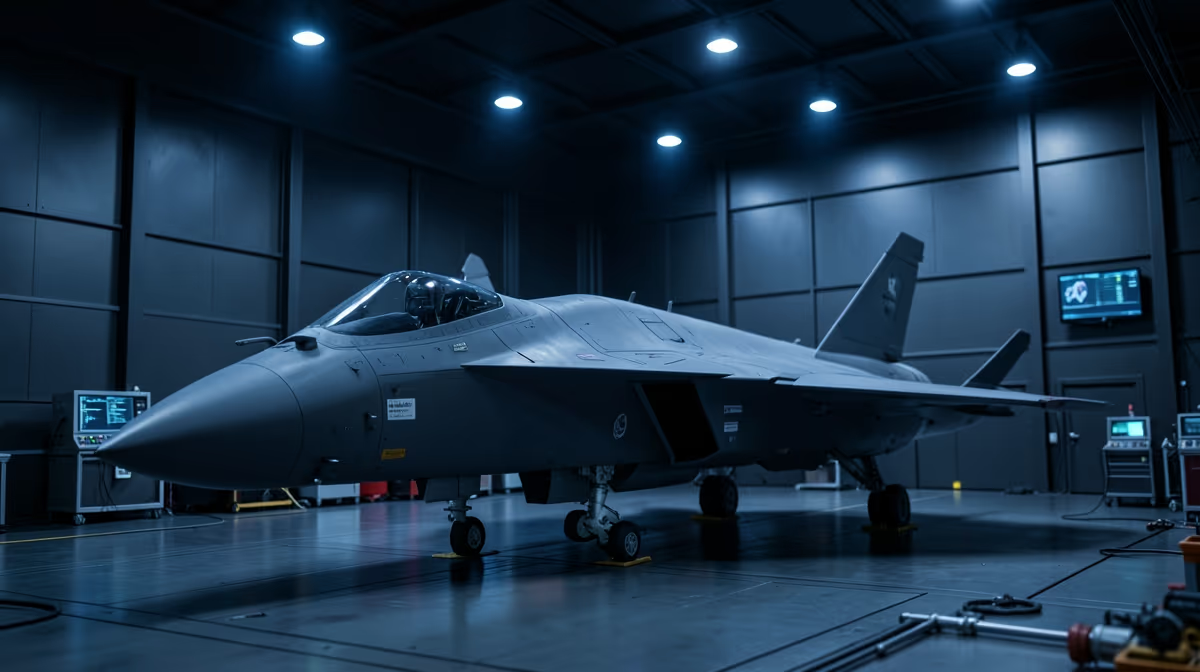
The skies of 2035 will be dominated by a new class of aerial hunter, as the UK's defense sector advances rapidly with the GCAP sixth-generation fighter jet now moving toward production. This ambitious trilateral endeavor is not merely a replacement for legacy aircraft but a fundamental reimagining of how nations maintain air superiority in an increasingly contested global environment.
The Genesis of a Trilateral Powerhouse
The Global Combat Air Programme, or GCAP, stands as a historic integration of European and Asian defense sectors. Officially formed in late 2022, the initiative merged the United Kingdom's Tempest fighter project with Japan's F-X program. By bringing together the expertise of the UK, Italy, and Japan, the partners aim to pool resources and mitigate the prohibitive costs associated with developing such high-end military technology. This collaboration marks a strategic shift away from total dependence on US military procurement, signaling a move toward a middle power alliance structure designed to diversify security dependencies. The current phase of the program involves complex diplomatic alignment discussions regarding industrial workshare quotas, ensuring that each partner nation benefits from the technological transfer and manufacturing requirements of the project.
Engineering a System of Systems
At its core, the GCAP is envisioned as a system of systems rather than a standalone aircraft. While traditional fighters rely primarily on the pilot's situational awareness, this sixth-generation platform will function as a command center in the sky. It is designed to utilize advanced artificial intelligence, laser weapons, and high-speed data links to manage swarms of autonomous loyal wingman drones. This open-architecture design allows for the seamless integration of new software and hardware updates over the coming decades. By fusing data from its sensor suite and external networks, the jet will maintain dominance in highly contested electromagnetic environments, replacing the aging fleet of Eurofighter Typhoon jets currently utilized by the Royal Air Force.
Industrial Stakeholders and Manufacturing Sovereignty
The primary industrial partners driving this development are BAE Systems in the UK, Leonardo in Italy, and Mitsubishi Heavy Industries in Japan. These organizations are currently tasked with the immense challenge of balancing the divergent technical requirements of three distinct air forces while adhering to a rigorous development schedule. For the United Kingdom, the program serves as a critical long-term investment in its aerospace sector. By maintaining sovereign design capability, the UK aims to prevent the attrition of highly skilled engineering talent to non-European markets. This industrial strategy is intended to foster high-value manufacturing jobs and solidify the nation’s role in future aerial warfare, effectively creating a sustainable pipeline for defense technology development.
Navigating Geopolitical and Financial Pressures
The strategic pivot toward the Indo-Pacific theater is a defining feature of the GCAP. Recognizing this region as a primary locus of future aerospace threats, the UK-Japan partnership allows for the projection of influence far beyond the traditional Euro-Atlantic region. However, this level of ambition brings significant scrutiny. In the next 72 hours, observers expect an increased focus on budget transparency as the UK parliament reviews defense spending priorities. Experts suggest that the program will face accelerated pressure to finalize primary airframe design milestones to justify these high development costs to treasury officials. While the best-case scenario involves the successful integration of tripartite supply chains leading to an early prototype reveal, the worst-case remains that budgetary constraints could trigger a renegotiation of international equity stakes or a delay in the delivery timeline.
Historical Parallels and Future Impact
History offers a precedent for this style of cooperation. The Panavia Tornado program, which saw European nations pool resources to address technological gaps and industrial stagnation, serves as a template for the current effort. Like its predecessor, the GCAP is a response to the post-Brexit imperative to maintain a sovereign advanced aerospace capability. The project is already evolving, with 2024 seeing the integration of advanced autonomous drone technology and initial testing of engine prototypes. By challenging the dominance of the F-35 ecosystem in the European theater through superior data-link interoperability, the GCAP represents a significant shift in how air superiority is maintained in the 21st century.
Frequently Asked Questions
What is the GCAP sixth-generation fighter jet program?
The Global Combat Air Programme (GCAP) is a trilateral initiative between the UK, Italy, and Japan to develop a next-generation stealth fighter jet. It aims to integrate advanced technologies, including artificial intelligence and autonomous systems, to replace the Eurofighter Typhoon.
When is the GCAP fighter jet expected to enter service?
The GCAP project aims to have the sixth-generation fighter jet operational by 2035. This timeline represents an ambitious development schedule for such complex and advanced aerial combat technology.
Which countries are participating in the GCAP program?
The program is a collaboration between the United Kingdom, Japan, and Italy. By pooling resources and expertise, these three nations aim to lead the future of air combat capability while sharing the significant financial and technological burdens of development.
What makes GCAP a sixth-generation fighter?
A sixth-generation fighter like the GCAP is defined by its ability to operate within a complex network of drones and sensors. It features advanced stealth, high-speed data processing, laser-directed energy weapons, and superior connectivity compared to current fifth-generation jets.
Will the GCAP jet replace the Eurofighter Typhoon?
Yes, the GCAP is specifically designed to replace the Eurofighter Typhoon in the Royal Air Force's fleet. It is intended to serve as the core platform of the UK's future combat air capability from the mid-2030s onwards.
What is the role of artificial intelligence in the GCAP fighter?
Artificial intelligence will be central to the GCAP's performance, assisting the pilot with complex decision-making and mission planning in real-time. It will also manage the jet's interaction with loyal wingman drones and autonomous systems during high-stakes combat scenarios.
Conclusion
The Global Combat Air Programme has officially moved into the concept and assessment phase, with the UK, Italy, and Japan firmly committed to a trilateral development path. As the program shifts toward finalizing the government-to-government treaty and establishing a joint program office, the focus remains on synchronizing the industrial efforts of BAE Systems, Leonardo, and Mitsubishi Heavy Industries. While the path toward a 2035 operational date involves navigating complex budgetary and logistical negotiations, the project continues to be a cornerstone of the participating nations' future defense strategies. Stakeholders now look toward upcoming milestones, including the stabilization of financial burden-sharing models and the next stages of prototype airframe development.


.webp)
