
Persian Gulf Stuck Commercial Vessels Trigger Global Supply Chain Fears
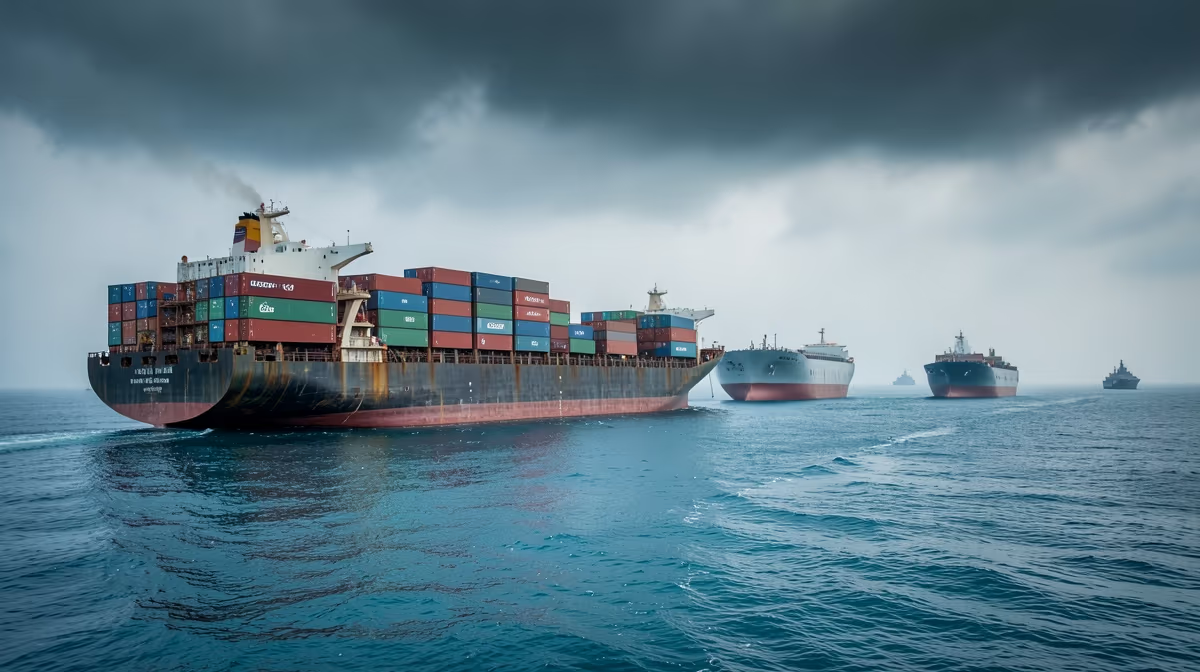
persian gulf stuck commercial vessels have created a major logistics crisis, disrupting energy supplies and international freight routes. Dozens of commercial vessels remain stranded in the Persian Gulf amid escalating maritime security tensions, prompting the U.S. Maritime Administration to issue heightened navigation warnings for American-flagged operators in the region. This developing bottleneck exposes the vulnerability of critical maritime chokepoints and triggers cascading financial pressures across international markets, forcing a careful re-evaluation of navigational risks and regional transit protocols.
The Root Causes of the Commercial Shipping Bottleneck
The current paralysis stems from asymmetric deterrence strategies and maritime choke-point weaponization by regional actors, combined with heightened U.S. naval posture and enforcement of sanctions, creating an environment of extreme navigational risk. Commercial ships in the Persian Gulf are currently facing major disruptions and getting stuck due to escalating geopolitical tensions in the region. These vessels, which carry vital goods and energy supplies, are finding it increasingly dangerous or impossible to navigate key waterways safely.
The disruption stems from heightened regional volatility and preemptive security measures taken by shipping companies seeking to avoid potential conflict zones near the Strait of Hormuz. Commercial operators have reported delays and altered transit schedules as naval forces increase patrols to ensure the safety of international sea lanes. Authorities and shipping companies are scrambling to assess the risks as military activity and security threats spike. For now, many captains are choosing to halt their journeys rather than risk attacks or getting caught in the crossfire, leading to a buildup of idle ships in the area.
Gulf Maritime Security Responses and Naval Patrols
Navigational authorities and maritime security forces coordinate to assess the status of stranded commercial vessels in the Persian Gulf amid heightened regional tensions during the initial twenty-four-hour window. The U.S. Navy's Fifth Fleet, headquartered in Bahrain, is closely monitoring the situation and providing communication support to commercial traffic requesting assistance. Diplomatic channels are also active as international stakeholders urge restraint to prevent further escalation of maritime commerce disruptions.
Multinational coalitions, including the U.S. Navy and allied maritime forces, patrol the Persian Gulf to deter hostile actions and ensure safe passage. These operations involve escorting commercial vessels through high-risk zones, providing real-time security warnings, and maintaining a deterrent presence. Such measures aim to preserve freedom of navigation under international law. Commercial cargo ships continue to transit the Persian Gulf because it remains an essential trade route for Middle Eastern exports. However, operators now implement advanced risk assessments, alter shipping routes, and utilize private security details, while many shipping lines coordinate closely with naval authorities to minimize their exposure to potential threats.
Economic Fallout for Global Importers and Exporters
Energy markets have responded cautiously to the bottleneck, though global crude flows have not yet suffered catastrophic interruptions. Insurance premiums for vessels transiting the Gulf have surged significantly over the past week, adding financial pressure to supply chains that rely on the vital waterway. This economic angle involves a direct spike in maritime insurance premiums, rerouting costs, and delayed energy shipments cascading into inflationary pressures on global supply chains and commodities markets.
Disruptions to commercial shipping in the Persian Gulf can lead to spikes in global crude oil and liquefied natural gas prices. Because energy markets are globally interconnected, these supply chain bottlenecks translate into higher fuel and manufacturing costs for consumers worldwide. Consequently, prolonged maritime crises contribute to broader domestic inflationary pressures and affect international supply chains and businesses relying on imported goods.
Geopolitical Pressures and Historical Parallels
The situation reflects an erosion of the U.S.-led rules-based maritime order, demonstrating the vulnerability of critical global trade arteries to localized disruption by non-peer adversaries. Middle powers utilize bargaining leverage to extract sanctions relief and diplomatic concessions from Western administrations, while testing the limits of U.S. security guarantees to regional allies. This environment also sustains a lucrative shadow economy of ship-to-ship transfers, illicit flag-switching, and private security profiteering that thrives amidst the paralysis of legitimate commercial traffic.
This dynamic echoes historical parallels such as the 1980s Tanker War during the Iran-Iraq conflict, where commercial vessels similarly became proxies and targets for broader regional hostilities. The reimbursement of maximum pressure sanctions and subsequent asymmetric naval friction in the Strait of Hormuz have historically led to a series of commercial vessel seizures and targeted sabotage incidents in Gulf waters, followed by the establishment of multinational maritime security coalitions. The current stalemate is characterized by detained commercial assets used as geopolitical pawns and delayed transit protocols.
Outlook and Future Transit Scenarios
Diplomatic backchannels activate to secure safe passage corridors during the seventy-two-hour window following initial disruptions, while insurance risk premiums for regional transit spike significantly. Expert prediction indicates that vessels will likely be cleared to depart under de-escalation protocols within a few days, but long-term commercial transit will face persistent threat perceptions and higher operational costs.
In a best-case scenario, all stuck vessels are released unharmed following swift diplomatic intervention, leading to a temporary naval security agreement. Conversely, the worst-case scenario involves the situation deteriorating into active maritime skirmishes, resulting in the seizure of multiple commercial vessels and a severe spike in global oil prices. The full extent of the shipping backlog and the duration of the heightened security posture remain fluid as regional diplomatic efforts continue.
Frequently Asked Questions
Why are commercial vessels getting stuck or targeted in the Persian Gulf?
Commercial vessels in the Persian Gulf frequently face risks due to escalating geopolitical tensions and regional conflicts. Maritime disruptions are often triggered by military activities, threats to navigation, and enforcement actions by regional powers in critical chokepoints like the Strait of Hormuz. These incidents jeopardize global supply chains and heighten safety concerns for international shipping companies.
What is the Strait of Hormuz and why is it critical for shipping?
The Strait of Hormuz is a narrow and vital waterway connecting the Persian Gulf with the Gulf of Oman and the Arabian Sea. Roughly a fifth of the world's petroleum passes through this crucial chokepoint, making it indispensable for global energy markets. Any disruption or blockage in this corridor immediately impacts international oil prices and commercial transit.
How are international navies protecting commercial ships in the Persian Gulf?
Multinational coalitions, including the US Navy and allied maritime forces, patrol the Persian Gulf to deter hostile actions and ensure safe passage. These operations involve escorting commercial vessels through high-risk zones, providing real-time security warnings, and maintaining a deterrent presence. Such measures aim to preserve freedom of navigation under international law.
What economic impact do Persian Gulf maritime disruptions have on the US?
Disruptions to commercial shipping in the Persian Gulf can lead to spikes in global crude oil and liquefied natural gas prices. Because energy markets are globally interconnected, these supply chain bottlenecks translate into higher fuel and manufacturing costs for American consumers. Consequently, prolonged maritime crises often contribute to broader domestic inflationary pressures.
Are commercial cargo vessels still transiting the Persian Gulf despite the risks?
Yes, commercial cargo ships continue to transit the Persian Gulf because it remains an essential trade route for Middle Eastern exports. However, operators now implement advanced risk assessments, alter shipping routes, and utilize private security details. Many shipping lines also coordinate closely with naval authorities to minimize their exposure to potential threats.
What protocols do vessel crews follow if detained or threatened in the region?
When threatened or boarded by hostile forces, commercial crews are trained to immediately alert their companies, flag states, and naval coalitions operating in the area. Standard protocols involve following safety instructions, activating emergency transponder signals, and avoiding aggressive maneuvers that could escalate the situation. Maritime security organizations also provide continuous guidance to help crews navigate these volatile encounters safely.
Conclusion
Dozens of commercial vessels remain delayed or stranded in the Persian Gulf as maritime security authorities, the U.S. Navy Fifth Fleet, and international operators navigate ongoing geopolitical tensions. While marine insurance rates have climbed and security advisories remain active, diplomatic channels and naval coordination continue to monitor the bottleneck. Realistic next steps involve ongoing risk assessments by commercial operators, active diplomatic backchannels to secure safe transit corridors, and continued naval monitoring to ensure the eventual safe passage of immobilized cargo assets.


