
Shadow Fleet Tankers Are Redrawing the Map of Global Energy Security
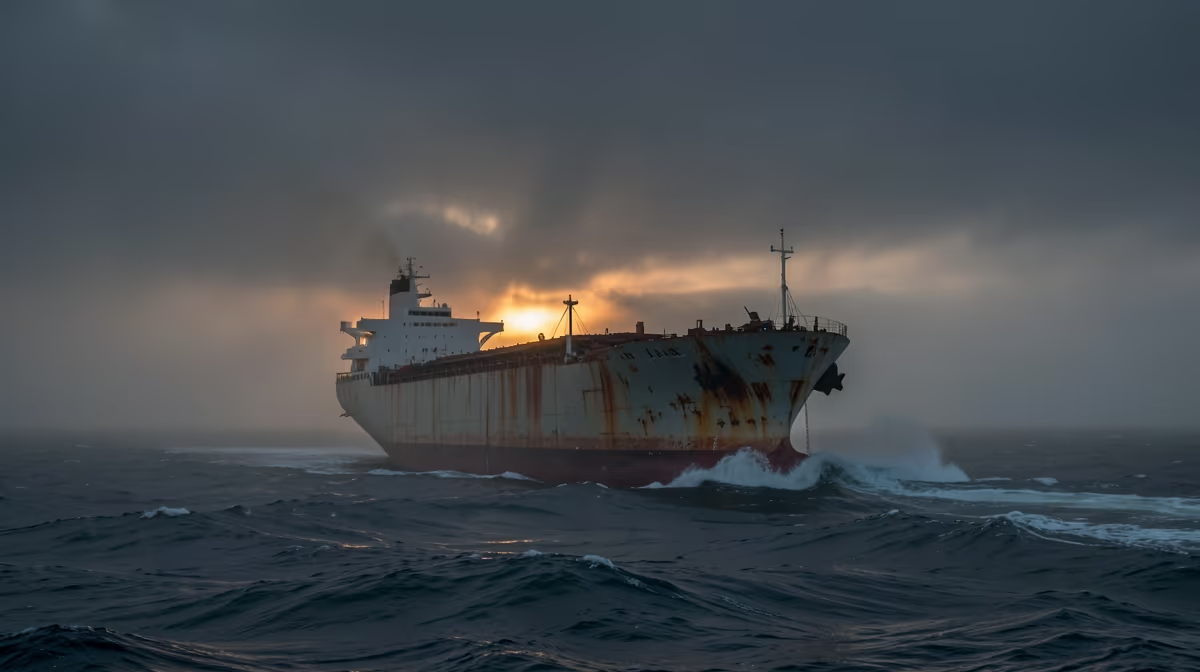
Deep beneath the surface of the world’s maritime trade routes, a clandestine network of aging tankers is quietly redrawing the map of global energy commerce. The rise of the shadow fleet has become a critical issue for global energy security, as covert tankers evade international oversight to transport oil and effectively insulate sanctioned regimes from the full weight of Western economic pressure.
The Mechanics of Clandestine Trade
At its core, the shadow fleet refers to a massive network of aging, often poorly maintained oil tankers that operate entirely outside of international shipping regulations. These vessels, many exceeding 20 years in age, are primarily owned by anonymous shell companies, making it nearly impossible for regulators to identify the ultimate beneficial owners. By operating in this legal gray area, these ships facilitate the movement of crude oil from nations such as Russia, Iran, and Venezuela to global markets.
The operational playbook of these vessels is designed for maximum obfuscation. Ships frequently switch off their Automatic Identification System (AIS) transponders to hide their locations and avoid detection by maritime intelligence platforms. Once in international waters, they often engage in dark ship-to-ship transfers, a process where oil is pumped between vessels to mix cargo and obscure its true provenance. Because these ships carry no recognized insurance coverage, they bypass the leverage usually exerted by Western maritime service providers, ensuring that sanctioned oil reaches buyers in Asia and beyond despite official embargoes.
Root Causes and Geopolitical Strategy
The existence of this shadow fleet is not merely a logistical anomaly but a systemic response to the necessity of sanctioned regimes to maintain their hydrocarbon export revenues. By circumventing Western-led maritime insurance and financial clearing systems, these nations have transformed energy logistics into a potent tool of statecraft. This development highlights a growing divide between the enforcement capabilities of the Global North and the pragmatic energy purchasing strategies of the Global South.
Historical parallels can be drawn to the 1980s Iran-Iraq Tanker War, where combatants similarly utilized clandestine shipping networks to sustain oil flows amidst international isolation. Today, the scale is vastly different. Following the 2022 invasion of Ukraine and the subsequent implementation of the G7 oil price cap, the shadow fleet expanded rapidly to accommodate the massive volume of Russian crude. What began as a temporary measure has evolved into a permanent, opaque, and highly resilient alternative maritime network that challenges the efficacy of Western economic sanctions.
Impact on Global Energy Security
The proliferation of these tankers has fundamentally altered the global energy landscape, creating a two-tier market. While this bifurcation allows Russia to maintain export volumes, it forces sellers to accept narrower profit margins due to logistical inefficiencies and discounts offered to markets in India and China. While this helps prevent immediate, catastrophic spikes in global oil supply volatility, the long-term impact on global energy security is profound.
Beyond the economic implications, there is a mounting environmental risk. Because these vessels are aging and lack standard Protection and Indemnity (P&I) insurance, they leave no financial cover for potential accidents. An oil spill caused by one of these substandard tankers could result in a humanitarian and ecological catastrophe in sensitive maritime zones. In such an event, no single company would likely be held financially responsible for the cleanup, leaving coastal nations and international organizations to bear the burden of a crisis that the global regulatory framework is currently ill-equipped to manage.
The Role of Maritime Intelligence
Global maritime authorities and intelligence professionals are increasingly focused on the use of sophisticated AIS spoofing and corporate layering that renders traditional enforcement efforts largely symbolic. The International Maritime Organization (IMO) has expressed deep concern, noting that ships operating outside the mainstream regulatory framework significantly increase the risk of maritime accidents. The organization has emphasized that flag states must exert stricter control over the vessels flying their ensigns to mitigate these dangers.
As of mid-2024, the situation remains fluid. Satellite data and shipping records have confirmed the existence of over 600 vessels within this dark network. Ongoing discussions among G7 nations suggest a potential pivot toward stricter enforcement, including potential penalties for third-party service providers who facilitate these shadow operations. However, the sheer volume of shell companies and the ability of operators to quickly shift ownership structures continue to complicate legal efforts and asset seizure.
Future Outlook and Risk Assessment
The expansion of the shadow fleet is expected to force a shift toward more aggressive maritime monitoring. In the next 24 hours, experts anticipate intensified inspections for vessels lacking P&I insurance and increased surveillance near major maritime chokepoints. Diplomatic tensions are likely to escalate within the next 72 hours as G7 nations weigh additional sanctions against maritime service providers.
In the best-case scenario, international regulatory frameworks will be strengthened, forcing operators toward transparency and reducing the global reliance on these high-risk tankers. Conversely, the worst-case scenario involves a major oil spill that triggers a geopolitical crisis and unmanageable cleanup liability. Experts warn that the trend points toward the continued expansion of these operations, potentially leading to localized kinetic incidents during forced boardings as authorities attempt to regain control over international shipping lanes.
Frequently Asked Questions
What is a shadow fleet in the shipping industry?
A shadow fleet refers to a group of oil tankers that operate outside of standard international regulations and insurance schemes. These vessels are primarily used to transport oil from sanctioned nations to bypass economic restrictions imposed by Western countries.
Why are shadow fleet vessels used?
These vessels are utilized to circumvent trade sanctions, particularly those involving crude oil exports from countries like Russia, Iran, and Venezuela. By operating with opaque ownership structures and without Western insurance, they allow sanctioned nations to continue selling oil on the global market.
How do shadow fleet tankers operate?
Shadow fleet tankers often employ tactics like disabling their Automatic Identification System (AIS) transponders to hide their locations and movements. They frequently conduct ship-to-ship transfers in international waters to mask the origin of their cargo before delivering it to global buyers.
Are shadow fleet ships dangerous?
Yes, these ships pose significant environmental and safety risks because they are often older and lack proper maintenance and international insurance coverage. In the event of an oil spill or collision, there is limited accountability or financial recourse to cover the massive cleanup and ecological damage costs.
Who owns the shadow fleet?
The ownership of shadow fleet vessels is deliberately kept opaque through complex networks of shell companies registered in jurisdictions with limited transparency. These entities often obscure the true beneficial owners, making it extremely difficult for regulators to track or sanction the parties involved.
How do shadow fleets affect global oil markets?
Shadow fleets allow sanctioned oil to reach the global market, which helps prevent massive supply disruptions and volatility in oil pricing. However, they also create a two-tiered shipping market that complicates regulatory efforts and undermines international sanctions policies.
Conclusion
The shadow fleet has successfully transformed from a localized sanction-evasion tactic into a sprawling, globalized maritime network. With over 600 vessels now operating outside the view of international regulators, the impact on global energy security and environmental safety is undeniable. While Western nations grapple with the limitations of current maritime sanctions, the persistence of these tankers highlights the fragility of global shipping standards. Looking ahead, the focus will likely remain on enhancing maritime intelligence and tightening enforcement against the service providers that enable this shadow trade. Until a unified international framework is established to bring these vessels under regulatory oversight, the risk of an environmental or geopolitical crisis remains a constant factor in global maritime commerce.


.webp)
