
US Asylum Rules Shift Triggers Massive Policy Overhaul at Border
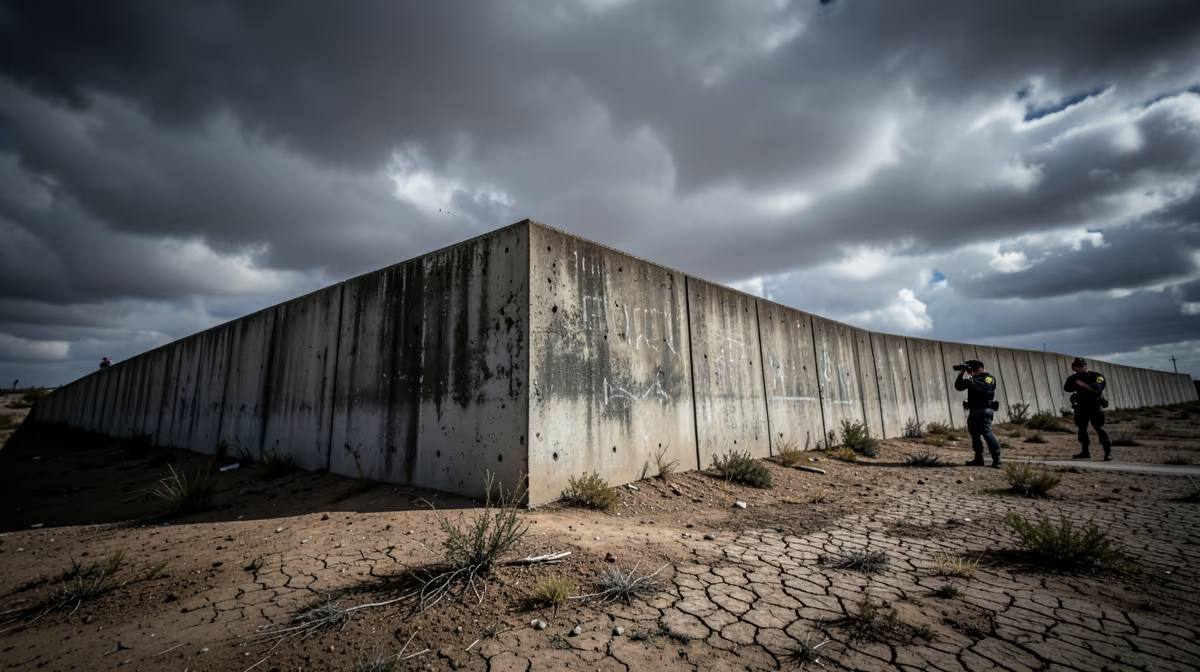
As the federal government implements sweeping changes to us asylum rules, legal experts and migrants are navigating a complex new landscape of border enforcement. The Biden administration implemented sweeping new restrictions on asylum processing at the U.S.-Mexico border, temporarily halting most claims when illegal crossings exceed designated daily thresholds in an aggressive effort to curb migration. Under the new executive actions, the Department of Homeland Security will shut down asylum processing between ports of entry once the seven-day average of daily unauthorized crossings surpasses 2,500. The restriction will remain in place until the daily average drops below 1,500 for a sustained period. This structural policy shift represents a profound transformation in how the nation manages hemispheric displacement and secures its borders.
The Mechanics Of The Policy Overhauled
Exemptions to the new rules include unaccompanied minors, individuals facing acute medical emergencies, and victims of severe trafficking. However, critics from both ends of the political spectrum have immediately challenged the policy, with immigrant advocacy groups threatening legal action and congressional Republicans arguing the measures do not go far enough. The policy marks one of the most restrictive border enforcement actions taken by a Democratic president, mirroring similar asylum bans attempted during the Trump administration. Administration officials maintain the measures are necessary to alleviate severe strain on federal immigration enforcement resources and secure operational control of the border. Migrants who cross the U.S. southern border unlawfully face strict new limits on claiming asylum, and individuals are generally required to seek protection in a transit country before applying in the U.S.
Systemic Drivers And Historical Context
The structural collapse of the traditional U.S. immigration adjudication infrastructure under the weight of unprecedented hemispheric displacement forced executive branch intervention. The U.S. asylum system has long allowed anyone who reaches American soil to apply for protection regardless of how they entered, as guaranteed by U.S. and international laws. However, recent record numbers of arrivals have overwhelmed federal processing systems, leading successive administrations to implement various restrictions and border enforcement measures. This trajectory mirrors historical parallels such as the 1980 Mariel Boatlift and subsequent imposition of stricter interdiction and detention policies under the Reagan administration that reshaped modern refugee law. The current operational environment reflects a bipartisan convergence toward deterrence as border security becomes a decisive electoral wedge issue, neutralizing opposition attacks while alienating progressive human rights wings.
Operational Realities And Regional Impacts
Border enforcement agencies are beginning full operational enforcement of the rules, prioritizing those who use official digital appointments via government apps at ports of entry. Unlawful crossers who fail to meet the new criteria face expedited deportation and potential bans on re-entry. These rule changes fundamentally reshape who can find refuge in the United States, potentially turning away thousands of vulnerable people fleeing violence, poverty, or political oppression. For communities and cities across the U.S., the policy aims to shift how migrants arrive and are processed, though it has immediately sparked intense legal battles and humanitarian concerns over the safety of those stranded at the border. The externalization of U.S. borders into Mexico and Central America through diplomatic pressure has shifted the humanitarian burden southward, altering regional stability and impacting shelter infrastructure in northern Mexico.
Immediate Legal Challenges And Projected Outcomes
Immigration advocacy groups are preparing legal challenges and filing preliminary injunctions in federal courts against the newly implemented asylum restrictions. Legal battles will temporarily stall the most restrictive components of the policy, while unauthorized crossings experience a short-term deterrent effect followed by adaptation by transnational smuggling networks. In the best-case scenario, the new rules successfully deter irregular crossings, encourage orderly legal pathways, and reduce the backlog in immigration courts without triggering widespread humanitarian crises at the border. Conversely, the worst-case scenario points to severe bottlenecks occurring at the border, resulting in dangerous overcrowding, heightened vulnerability of migrants to cartel violence, and immediate chaotic nationwide injunctions that disrupt border management.
Frequently Asked Questions
What are the recent changes to US asylum rules?
Recent updates to US asylum rules include stricter eligibility criteria and expedited processing procedures at the southern border. These measures are designed to quickly manage backlog cases and deter unlawful crossings between ports of entry. Additionally, new restrictions limit asylum access for individuals who cross through third countries without seeking protection there first.
Who is currently eligible to apply for asylum in the US?
Individuals fleeing persecution in their home countries due to race, religion, nationality, membership in a particular social group, or political opinion remain generally eligible to apply. However, recent policy changes may bar applicants who failed to use lawful pathways or pre-scheduled appointment systems like CBP One. Meeting these procedural requirements is now critical for a valid claim.
How has the CBP One app affected US asylum procedures?
The CBP One mobile application has become the primary mechanism for migrants at the US-Mexico border to schedule appointments and present themselves for asylum consideration. Under updated rules, individuals who arrive at the border without a prior appointment through the app face a significantly higher bar for claiming asylum. This shift aims to promote orderly processing but has also created substantial wait times.
What is the transit ban rule in US asylum policy?
The transit ban rule generally presumes migrants ineligible for asylum if they traveled through a third country on their way to the US and failed to apply for protection there first. Exceptions are granted in rare cases, such as victims of severe forms of trafficking or those who faced medical emergencies. This rule significantly narrows the pool of successful applicants arriving at the land border.
Are there changes to how fast asylum cases are adjudicated?
Yes, the US government has processes to drastically speed up asylum adjudications through the Department of Justice and Citizenship and Immigration Services. Asylum officers can now hear and decide certain claims directly, aiming to reduce years-long immigration court backlogs. This means applicants must prepare their cases and gather evidence much faster than under previous procedures.
Can individuals appeal a denied US asylum claim under the new rules?
Individuals who receive a negative credible fear determination or a denial under the expedited removal process still have the right to seek review by an immigration judge. However, the timelines to request these reviews have been compressed significantly under updated regulations. Legal representation is strongly recommended to navigate these tighter deadlines and complex appellate procedures.
Conclusion
The implementation of sweeping restrictions on asylum processing at the U.S.-Mexico border marks a critical turning point in federal immigration management. With the Department of Homeland Security officially enforcing threshold-based closures when unauthorized crossings exceed designated averages, federal agencies, legal advocates, and migrants face an evolving regulatory and judicial environment. As civil rights organizations prepare federal lawsuits and border enforcement operations continue, the long-term efficacy of these rules in balancing border security with humanitarian obligations remains subject to ongoing legal scrutiny and operational adaptation.


.webp)

.webp)