
Karnataka Suspends E-Commerce Licenses Over Toxic Datura Sales
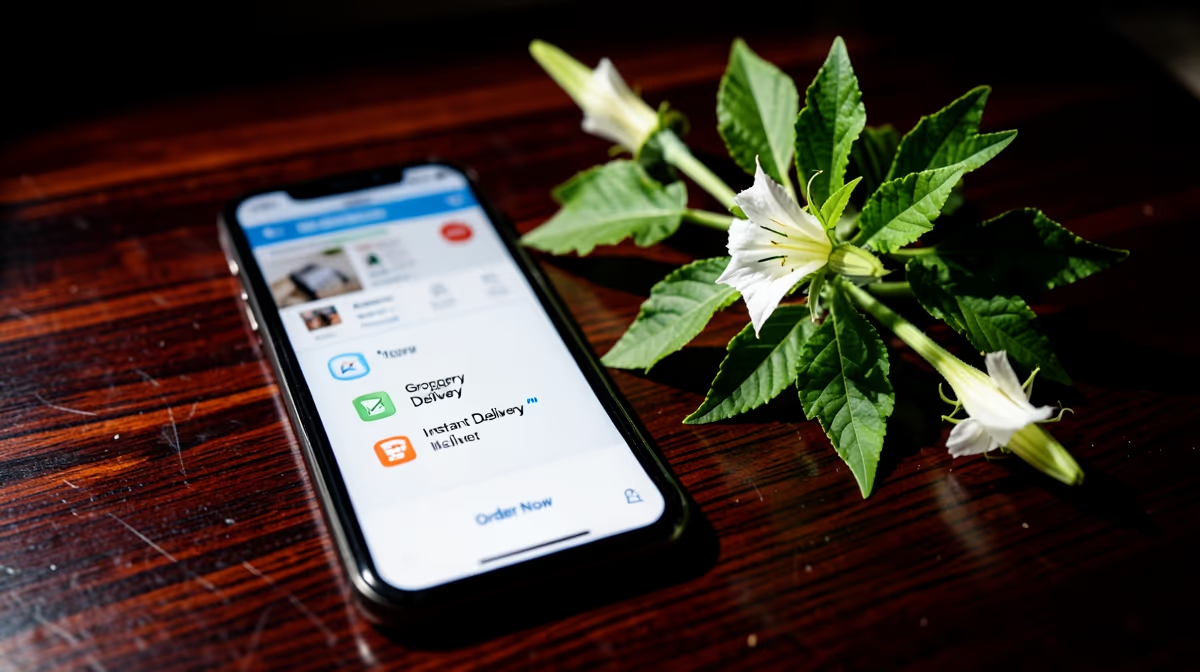
In a major crackdown on quick commerce platforms, Karnataka suspends e-commerce licenses for major players including Amazon, Swiggy Instamart, and BigBasket following the illegal online sale of the toxic plant Datura. State food safety authorities have taken strict regulatory action against these digital marketplaces, highlighting growing concerns over consumer protection and inventory compliance in the rapid delivery sector.
Regulatory Crackdown and Safety Violations
Karnataka food safety authorities suspended the food business licenses of major e-commerce and quick-commerce platforms, specifically targeting Amazon, Swiggy Instamart, and BigBasket. The enforcement action was triggered by the unauthorized online sale of Datura, a toxic and potentially poisonous plant containing potent hallucinogenic and toxic alkaloids.
Major news outlets including NDTV, The Hindu, and Deccan Herald reported extensively on the regulatory enforcement, highlighting how easily restricted botanicals appeared on mainstream digital storefronts. The swift punitive action emphasizes the mounting pressure on state regulators to enforce statutory safety standards on digital intermediaries.
- Karnataka food safety authorities suspended the food licenses of Amazon, Swiggy Instamart, and BigBasket.
- The suspension was triggered specifically over the online sale of Datura, a toxic and potentially poisonous plant.
- Major news outlets including NDTV, The Hindu, and Deccan Herald reported on the regulatory enforcement.
- The enforcement actions target e-commerce and quick-commerce platforms operating within the state of Karnataka.
- Authorities are reviewing compliance and safety measures for digital storefronts listing restricted or hazardous items.
Understanding the Dangers of Datura
Datura is a poisonous plant containing potent hallucinogenic and toxic alkaloids that pose severe health risks if ingested. Selling such unregulated and hazardous substances online violates food safety and public health regulations. Quick-commerce and e-commerce platforms often host third-party vendors and diverse inventory catalogs, making the oversight of restricted, hazardous, or poisonous substances a critical safety challenge for consumer protection agencies.
The incident exposes potential systemic vulnerabilities in automated cataloging and algorithmic vendor onboarding used by dark stores and multi-vendor platforms, where toxic botanicals can bypass standard safety filters. When dangerous or toxic botanicals like Datura can be easily purchased online, it poses a direct and severe risk to public health and consumer safety, forcing regulators to enforce stricter accountability on digital intermediaries.
The unauthorized online distribution of toxic botanicals via rapid delivery networks has exposed critical vulnerabilities in digital inventory oversight and vendor vetting protocols across India.
Karnataka's suspension of major e-commerce licenses signals an aggressive shift toward strict state accountability for quick-commerce safety compliance.
Operational and Economic Fallout
The temporary suspension of food licenses threatens operational disruptions and revenue losses for major e-commerce and quick-commerce players in a lucrative regional market, forcing a rapid overhaul of inventory screening and vendor compliance. State authorities face intense public and political pressure to demonstrate strict oversight on quick-commerce platforms amid rising consumer safety concerns, compelling swift punitive action.
The enforcement affects the ability of Amazon, Swiggy Instamart, and BigBasket to operate food and grocery delivery services legally within the state of Karnataka. This regulatory friction underscores the broader challenges multinational and pan-Indian digital platforms face regarding accountability for third-party marketplace listings and automated supply chains.
Expected Next Steps and Compliance Review
Regulatory authorities in Karnataka will likely issue detailed clarification notices and compliance requirements to Amazon, Swiggy Instamart, and BigBasket regarding the sale of Datura. The affected e-commerce and quick-commerce platforms are expected to submit responses or legal appeals to lift the suspension of their food licenses while reinforcing internal checks on prohibited substances.
Analysts anticipate increased scrutiny on online grocery and quick-commerce platforms regarding product safety compliance and vendor vetting processes across the region. Platforms will need to swiftly cooperate with regulatory bodies, remove unauthorized items, and resolve compliance issues to restore their food licenses with minimal disruption to consumers.
Frequently Asked Questions
Why did Karnataka suspend the licenses of Amazon, Swiggy Instamart, and BigBasket?
The Karnataka food safety authorities suspended the food business licenses of major e-commerce and quick-commerce platforms like Amazon, Swiggy Instamart, and BigBasket over the alleged online sale of Datura, a toxic plant, through their platforms.
What is Datura and why is its sale through e-commerce restricted?
Datura is a poisonous plant containing potent hallucinogenic and toxic alkaloids that pose severe health risks if ingested. Selling such unregulated and hazardous substances online violates food safety and public health regulations.
Who is affected by the Karnataka license suspensions?
Major quick-commerce and e-commerce giants operating in the region, specifically Amazon, Swiggy Instamart, and BigBasket, are directly impacted, affecting their ability to operate food and grocery delivery services legally within the state.
What led to the discovery of Datura sales on these platforms?
State regulatory bodies and food safety officers uncovered the listing and distribution of the toxic plant during routine monitoring and compliance checks of online grocery inventories.
What happens next for Amazon, Swiggy Instamart, and BigBasket in Karnataka?
The companies are required to respond to show-cause notices, remove prohibited items from their catalogs, and demonstrate strict compliance and safety measures before their food licenses can be reinstated.
Why does this regulatory action matter for quick-commerce in India?
This crackdown highlights the tightening regulatory scrutiny over rapid delivery networks and dark stores regarding product safety and vendor verification, signaling that state authorities are ramping up enforcement against hazardous items on digital marketplaces.
Conclusion
State food safety authorities in Karnataka have taken definitive punitive action by suspending the food business licenses of Amazon, Swiggy Instamart, and BigBasket following the unauthorized distribution of toxic Datura plants online. As affected platforms navigate show-cause notices, legal appeals, and internal catalog overhauls to restore operations, the enforcement highlights an intensifying regulatory focus on digital marketplace accountability, vendor vetting, and public health protection in India's rapid delivery sector.
Sources
- Karnataka Suspends Amazon, Instamart, BigBasket's Licences Over 'Datura' Sales — NDTV
- Karnataka suspends food licences of Amazon, Swiggy Instamart, BigBasket over Datura sale — The Hindu
- Amazon, Swiggy, InstaMart & BigBasket may lose food licences in Karnataka — Deccan Herald
- CCTV shows BJP MLA's daughter slapping cop at Karnataka temple — The Times of India
- CCTV Footage Surfaces Of MLA's Daughter Slapping Cop At Karnataka Temple — NDTV
- Karnataka temple CCTV shows MLA's daughter slapping woman cop, officer hits back | Watch — Moneycontrol.com


.webp)
