
Louisiana Vibrio Vulnificus Outbreak Triggers Emergency Response
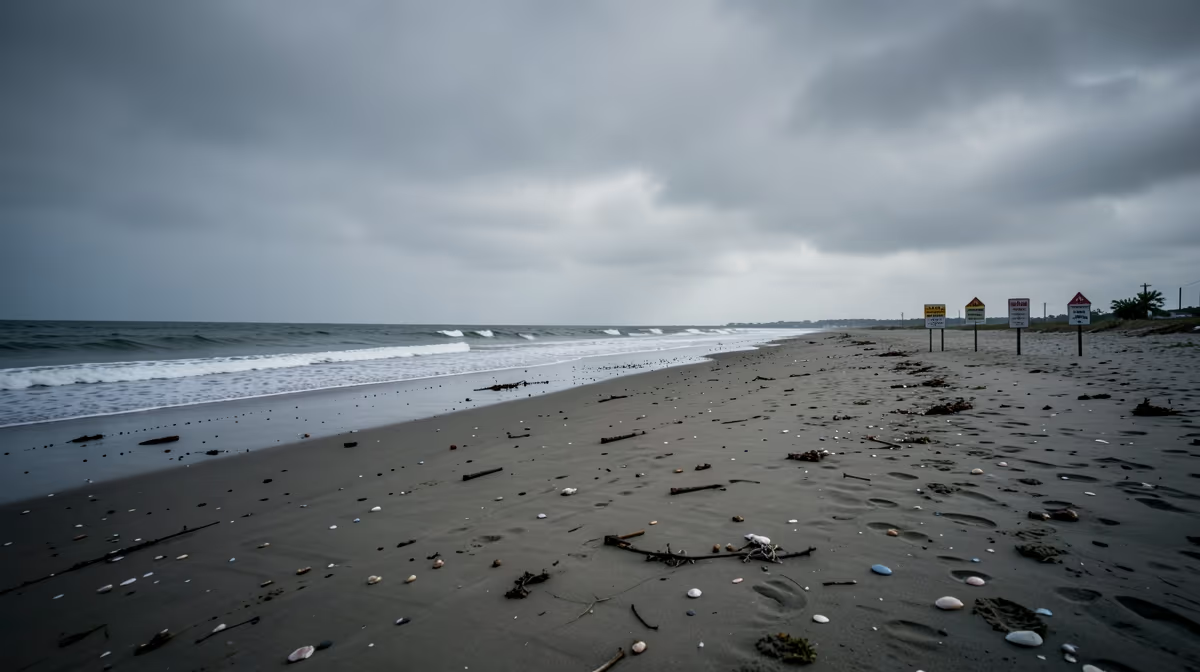
Public health officials have issued urgent warnings following a new louisiana vibrio vulnificus outbreak affecting coastal residents. Health officials in Louisiana have issued an urgent public health advisory following a severe outbreak of Vibrio vulnificus infections, resulting in multiple hospitalizations and fatalities across the state during the peak of the summer seafood and coastal recreation season.
Understanding the Louisiana Vibrio Vulnificus Outbreak
Health officials in Louisiana are urging caution following reports of infections caused by Vibrio vulnificus, a rare but dangerous bacteria found naturally in warm coastal waters and raw seafood. People typically become infected by eating contaminated shellfish, especially raw oysters, or by exposing an open wound to warm seawater or brackish water. While most healthy individuals experience mild illness, the bacteria can enter the bloodstream of vulnerable people and cause severe, life-threatening complications very quickly.
The Louisiana Department of Health reported that the outbreak involves strains of the flesh-eating bacteria typically found in warm coastal waters and raw seafood. Officials noted that infections occur either through the consumption of raw or undercooked shellfish, particularly oysters, or when open wounds are exposed to brackish or salt water. Hospitals in coastal parishes have seen an influx of patients presenting with severe symptoms, ranging from severe skin breakdown and blistering to life-threatening sepsis. Vulnerable populations, including individuals with liver disease, diabetes, or compromised immune systems, have been disproportionately affected by the aggressive nature of the pathogen.
In response to the rising case numbers, state health agencies have intensified surveillance efforts and launched public awareness campaigns. Restaurants and seafood distributors have been reminded of strict handling and temperature control guidelines, while beachgoers are being urged to avoid swimming in warm marine waters if they have cuts, scrapes, or recent piercings. Dr. Courtney Phillips, Louisiana Department of Health Secretary, stated that Vibrio vulnificus is a potent and fast-moving bacterium that poses a severe risk, particularly to those with underlying health conditions, and urged all residents and visitors to take immediate precautions when consuming raw seafood or entering warm coastal waters this season.
How Flesh Eating Bacteria Spreads Along the Gulf Coast
Vibrio bacteria live naturally in warm marine environments like the Gulf of Mexico. Outbreaks or isolated cases commonly spike in southern coastal states during the summer and fall when water temperatures peak and bacteria levels naturally increase. Climate change-induced warming of coastal waters combined with extreme weather events lowers salinity and creates optimal breeding grounds for the proliferation of this pathogen. Winter warming trends allow Vibrio bacteria to survive in lower numbers further north than historically recorded, while summer heatwaves cause Gulf Coast water temperatures to spike and trigger rapid bacterial reproduction.
Severe storms and flooding wash organic material into coastal estuaries, lowering salinity and fueling the outbreak further. An influx of severe wound infection and raw seafood poisoning cases subsequently overwhelms regional emergency rooms. State and local officials must balance public health warnings against the critical economic reliance on the seafood and tourism industries, which can lead to delicate navigation of public advisories. This dynamic mirrors historical parallels such as the post-Hurricane Katrina bacterial blooms in 2005, which similarly spiked Vibrio infections among rescue workers and displaced populations amidst failing infrastructure.
Prevention and Safety Measures for Residents
Vibrio vulnificus is often referred to as a flesh-eating bacteria due to the rapid tissue damage it can cause, developing into necrotizing fasciitis in severe wound cases. Infections happen most frequently during warmer months when water temperatures rise. Consuming raw or undercooked shellfish, particularly oysters, is a primary route of infection alongside open cuts or scrapes exposed to coastal waters allowing the bacteria to enter the body. Medical treatment must begin immediately, as the infection can progress within hours.
While anyone can contract the bacteria, individuals with weakened immune systems, chronic liver disease, diabetes, or open wounds are at the highest risk for severe illness, hospitalization, and death. This outbreak is a critical public health concern because Vibrio vulnificus infections can escalate from mild symptoms to severe tissue destruction, limb amputation, or death in a matter of days. Prompt medical attention and public awareness are essential to prevent tragic outcomes, especially for individuals who may not realize how dangerous a simple cut in ocean water or a raw oyster can be.
Economic Fallout and Sector Vulnerability
The outbreak brings severe economic losses for Louisiana's commercial fishing, oyster harvesting, and coastal tourism sectors, alongside skyrocketing healthcare costs for treating catastrophic soft-tissue infections and sepsis. State stakeholders face intense pressure as public health messaging must be carefully balanced to prevent catastrophic economic backlash for the state's seafood and tourism economies. Disproportionate impacts also fall on marginalized, low-income coastal communities with occupational exposure, such as shrimpers and crabbers, who may have inadequate access to immediate, specialized healthcare.
At the same time, the situation highlights the broader vulnerability of domestic food security and public health infrastructure to rapid climate shifts, serving as a bellwether for health crises in vulnerable regions. Key players monitoring the situation include the Louisiana Department of Health, the Centers for Disease Control and Prevention, and Gulf Coast Seafood Processors, all coordinating to manage public safety while mitigating industry impacts.
Outlook and Immediate Response
In the next twenty-four hours, the Louisiana Department of Health is slated to issue updated advisories on raw seafood consumption and open-wound safety in warm coastal waters. Over the next seventy-two hours, local healthcare providers will increase screening for necrotizing fasciitis symptoms associated with Vibrio infections, while public beaches post warning signage. Expert prediction indicates that cases will remain localized due to rapid public health messaging, but warm summer water temperatures will sustain elevated baseline risk.
In the best-case scenario, no new infections are reported, and the public heeds warnings regarding raw oyster consumption and water exposure. In the worst-case scenario, a spike in severe systemic infections leads to fatalities and significant economic backlash for the state's seafood and tourism sectors. State health agencies continue to monitor the situation closely as the region navigates the peak of the summer season.
Frequently Asked Questions
What is Vibrio vulnificus and where is it found?
Vibrio vulnificus is a bacterium that naturally lives in warm coastal waters, particularly in the Gulf of Mexico. People can become infected by eating raw or undercooked shellfish, especially oysters, or by exposing an open wound to brackish or salt water.
What are the symptoms of a Vibrio vulnificus infection?
Symptoms of infection typically include watery diarrhea, stomach cramps, nausea, vomiting, and fever. If the bacteria enters through a broken skin barrier, it can cause severe skin breakdown, blistering, and potentially life-threatening systemic illness.
Who is most at risk for severe illness from Vibrio vulnificus?
Individuals with compromised immune systems, chronic liver disease, or conditions like diabetes and cancer are at the highest risk. These vulnerable populations are much more likely to develop severe bloodstream infections, limb-threatening wounds, or fatal complications.
How can I prevent Vibrio vulnificus infection in Louisiana?
To prevent infection, avoid eating raw or undercooked oysters and other shellfish, and always wash your hands thoroughly after handling raw seafood. Additionally, stay out of salt or brackish water if you have any cuts, scrapes, or open wounds.
Are Vibrio infections common in Louisiana?
Yes, Vibrio infections do occur in Louisiana, particularly during the warm summer months when water temperatures rise. State health officials frequently issue warnings to raise awareness about the risks associated with eating raw seafood and swimming with open wounds.
Is Vibrio vulnificus considered flesh-eating bacteria?
While it is often sensationalized in the media as flesh-eating bacteria, Vibrio vulnificus actually causes necrotizing fasciitis in severe wound infection cases. This means it can rapidly destroy skin and muscle tissue, requiring aggressive medical intervention and sometimes amputation.
Conclusion
The Louisiana Department of Health has confirmed multiple cases and hospitalizations resulting from the louisiana vibrio vulnificus outbreak during the summer coastal recreation season. State health officials, alongside federal agencies, continue to emphasize strict seafood safety guidelines and open-wound precautions to mitigate further infections. With healthcare providers increasing screenings and public beaches displaying advisory signage, the focus remains on rapid public health messaging and heightened surveillance as warm water temperatures sustain baseline environmental risks across the Gulf Coast.


.webp)
