
Magnitude 5.9 Earthquake Shakes Japan, Leaving Tokyo Shaken
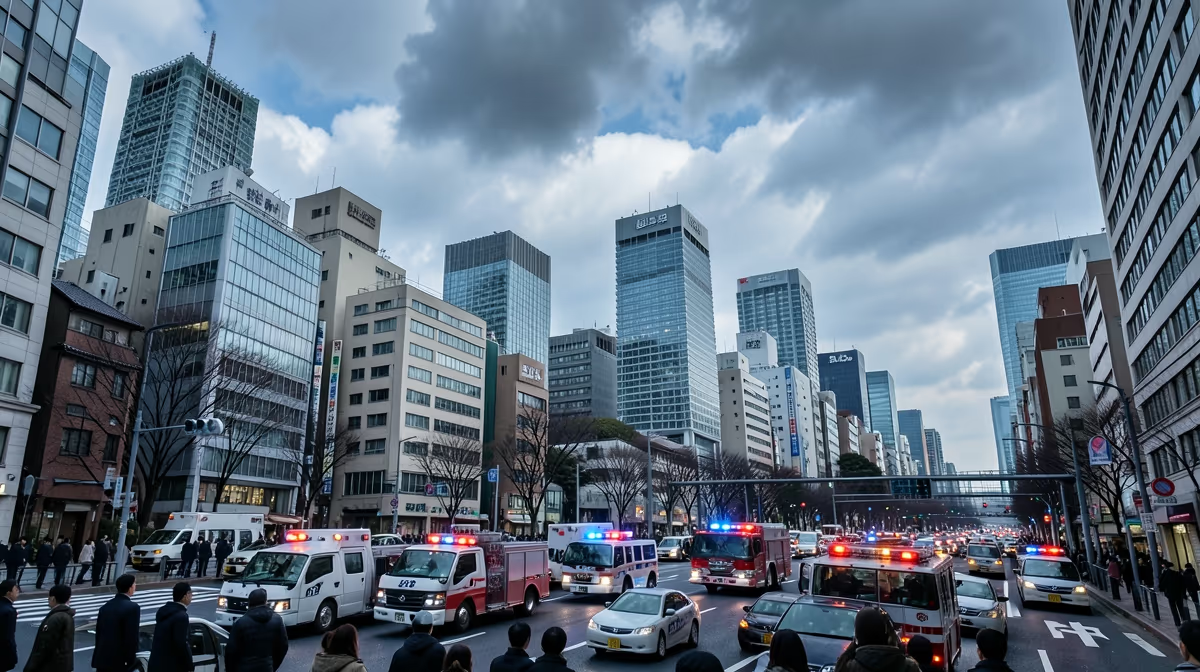
A strong magnitude 5.9 earthquake has struck eastern Japan, sending sudden tremors through the Tokyo region and causing widespread concern among residents. The moderate earthquake struck northeast Japan, sending tremors through the Tokyo region and resulting in over 20 reported injuries. The sudden tremor prompted concerns across the densely populated capital and surrounding areas, leading to temporary disruptions in local transportation networks. Authorities and transit operators scrambled to inspect infrastructure and manage commuter delays following the shake.
Epicenter Details and Affected Areas
The seismic event originated along Japan's highly active tectonic plate boundaries, resulting in a moderate magnitude 5.9 earthquake affecting the eastern region and Tokyo. The tremor primarily impacted northeast Japan and the greater Tokyo metropolitan area. Reports of injuries and localized disruptions were concentrated within these shaken regions, catching residents by surprise as seismic waves propagated through the area.
Initial Reports on Injuries and Infrastructure Impact
Despite the injuries and transport setbacks, initial assessments confirmed there was no tsunami threat triggered by the 5.9-magnitude tremor. Emergency services responded to various calls across the affected zones, providing medical attention to those injured by falling objects or structural jostling during the quake.
- A 5.9-magnitude earthquake struck eastern Japan and the Tokyo region.
- More than 20 people, specifically around 23 individuals, sustained injuries.
- The tremor caused disruptions to local transport networks in the Tokyo area.
- Authorities issued no tsunami risk following the earthquake.
- Reports of the incident emerged from multiple news outlets on August 23, 2026.
Transportation systems in and around the Tokyo region experienced temporary disruptions as officials worked to inspect rail lines and infrastructure to ensure safety before resuming normal services.
Why This Matters
Even moderate earthquakes in densely populated and highly developed urban areas like Tokyo can cause widespread disruption, public anxiety, and injuries from falling objects or transit halts, reminding residents of the constant need for preparedness. Japan is one of the most seismically active regions in the world, sitting atop multiple tectonic plates. Building codes and early warning systems are among the most advanced globally, designed to minimize structural damage and loss of life during moderate to severe tremors.
Residents and commuters in eastern Japan, particularly those in the greater Tokyo metropolitan area, experienced disruptions and potential injuries during the event. Disaster management preparedness remains a crucial metric for public trust and administrative efficacy in the densely populated Tokyo capital region. Brief transport disruptions and structural checks temporarily impact local productivity and logistics in Japan's core economic hub without causing widespread systemic damage. Furthermore, the incident demonstrates the ongoing vulnerability of critical global financial and technological supply chain nodes to routine seismic events, reinforcing the emphasis on infrastructure resilience.
Analyst View and Future Outlook
Emergency services and regional authorities in eastern Japan and the Tokyo region will continue assessing damages and treating the more than 20 injured individuals, while inspecting transport networks for any lingering safety hazards following the 5.9-magnitude earthquake. Transportation systems disrupted by the tremor are expected to fully resume normal operations as maintenance crews clear any minor infrastructure issues, while seismologists monitor for potential aftershocks.
Analysts would likely expect that despite minor injuries and temporary transport disruptions, the absence of a tsunami risk and Japan's robust earthquake-resistant infrastructure will prevent long-term economic or structural fallout. In the best-case scenario, transport networks fully reopen with zero additional injuries reported, and no significant aftershocks cause further disruption to the Tokyo region. In the worst-case scenario, delayed structural assessments reveal hidden damages to critical infrastructure or a significant aftershut triggers secondary disruptions in the region.
Frequently Asked Questions
What caused the recent earthquake in Japan?
A moderate magnitude 5.9 earthquake shook eastern Japan and the Tokyo region, catching residents by surprise. While moderate in size, the tremor was strong enough to cause notable shaking across the affected areas.
Were there any injuries reported from the Tokyo region earthquake?
Yes, more than 20 people sustained injuries following the moderate tremor. Emergency services and local authorities responded quickly to assist those hurt during the shaking.
Did the 5.9-magnitude earthquake trigger a tsunami warning?
Fortunately, authorities confirmed there was no tsunami risk associated with this earthquake. Coastal communities did not need to evacuate or activate tsunami emergency protocols.
How did the earthquake impact transportation in Tokyo?
The tremor caused temporary disruptions to transport systems in and around the Tokyo region. Officials worked to inspect rail lines and infrastructure to ensure safety before resuming normal services.
Is there an ongoing risk of aftershocks after the Japan quake?
Seismologists and experts are closely monitoring the region for potential aftershocks following the 5.9-magnitude tremor. Residents in eastern Japan have been advised to remain cautious and stay updated on official safety guidance.
Which areas in Japan were most affected by the tremor?
The earthquake primarily impacted northeast Japan and the greater Tokyo metropolitan area. Reports of injuries and localized disruptions were concentrated within these shaken regions.
Conclusion
A 5.9-magnitude earthquake shook eastern Japan and the Tokyo region, injuring more than 20 people and causing transport disruptions, though no tsunami risk was reported. Regional authorities, emergency services, and transport operators continue to manage the aftermath through systematic safety inspections and medical support, while seismologists monitor for potential aftershocks.
Sources
- More than 20 injured as moderate earthquake shakes northeast Japan — The Hindu
- Japan Earthquake Injures Dozens — تسنیم
- Tokyo Earthquake Explained: How Strong Was Japan’s 5.9-Magnitude Quake and is There an Aftershock Risk? — Open Magazine
- Japan Earthquake: 5.9-Magnitude Tremor Hits Eastern Region, 23 Injured — GujaratSamachar English
- A Moderate Earthquake Shakes Northeast Japan, Injuring Over 20 People In Tokyo Region — ETV Bharat
- Eastern Japan quake injures 23, disrupts Tokyo transport with no tsunami risk — India Today


.webp)
