
US Sanctions Iran Strait of Hormuz Crackdown Unfolds
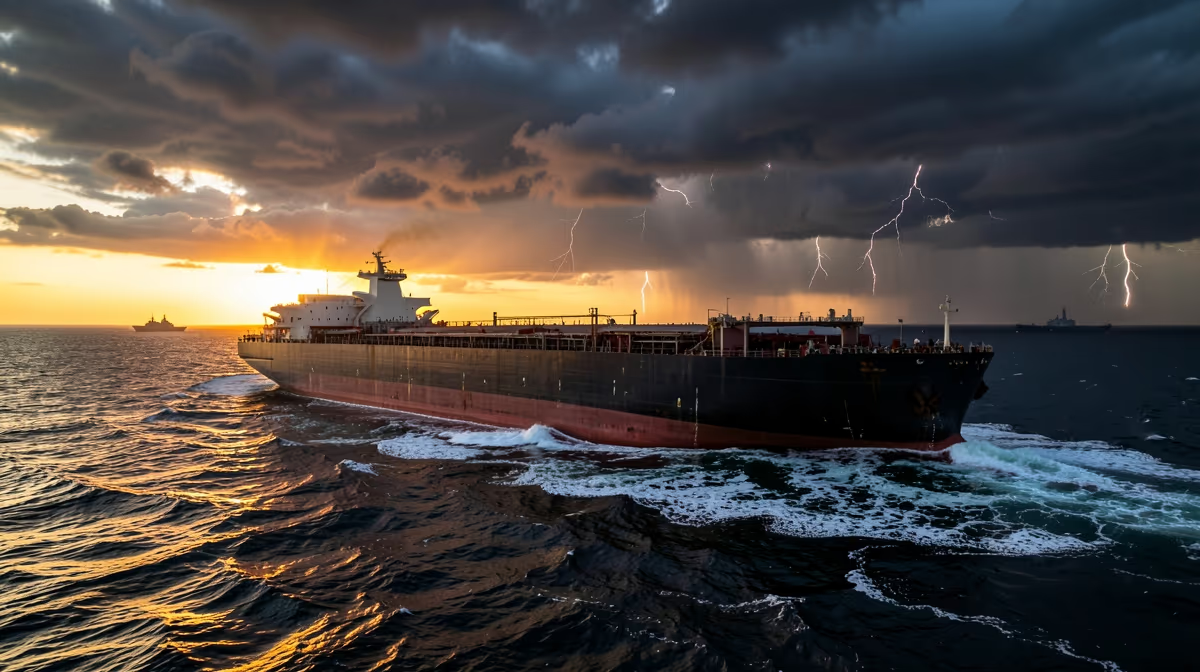
Recent developments regarding US sanctions Iran Strait of Hormuz have sent shockwaves through international markets as naval forces increase security measures. The United States has announced new sanctions against Iran and called on allies to join the effort, coinciding with a major escalation in the Strait of Hormuz where Iran has blacklisted dozens of tankers.
Tensions in the vital Middle Eastern shipping lane have intensified as Iran targets numerous commercial vessels with threats of fines and cargo confiscation over transit rules. The crackdown in the Strait of Hormuz comes amid a backdrop of fresh economic pressure from Washington, which has implemented new sanctions measures and urged international partners to align with its policy against Tehran. Meanwhile, the maritime situation has created significant tracking discrepancies, as analysts and shipping monitors note that despite official reports of substantial oil volumes moving through the Hormuz chokepoint, conventional vessel tracking data has struggled to consistently locate all of the active flow.
Economic and Geopolitical Roots
The root cause of the current friction stems from escalating maritime and economic tensions between the United States and Iran following fresh US sanctions and subsequent enforcement actions in the critical Strait of Hormuz. The US is aggressively increasing political and economic pressure on Tehran while calling on international allies to align with its sanctions regime, prompting retaliatory posturing from Iranian authorities.
Disruptions and tracking difficulties involving millions of barrels of oil moving through the Strait of Hormuz create volatility in global energy markets, further complicated by Iranian threats to fine and confiscate targeted tankers. This standoff threatens a critical global energy chokepoint, raising the stakes for international trade, maritime security, and diplomatic relations between Western powers and Middle Eastern actors. The historical parallel to this situation can be traced back to the 1980s Tanker War during the Iran-Iraq War, which saw escalating attacks and inspections of commercial shipping in the Persian Gulf and Strait of Hormuz.
Strait of Hormuz Tanker Crackdown Threatens Global Trade
The Strait of Hormuz connects the Persian Gulf with the Gulf of Oman and the Arabian Sea, serving as the world's most critical oil transit chokepoint. It has historically been a flashpoint for geopolitical friction, where economic sanctions, naval escorts, and tanker seizures frequently trigger global market anxieties.
- Iran has blacklisted dozens of tankers in the Strait of Hormuz, threatening fines and cargo confiscation
- The United States announced new sanctions against Iran and asked allies to join
- Reports indicate oil is moving through Hormuz while trackers report difficulty locating it
Financial Times, Reuters, WSJ, Al Jazeera, New York Post, and The Times of India reported on these developments. The discrepancy between tracked oil volumes and actual flows suggests a significant rise in dark fleet maritime operations and covert transshipments designed to evade both US sanctions and regional Iranian authorities.
The one sentence a reader must not miss: The combination of renewed U.S. sanctions and Iran's punitive measures against dozens of blacklisted tankers raises immediate risks for global energy logistics and maritime commerce through the vital waterway.
Impact on Global Markets and Shipping
Tensions are rising sharply in the Middle East as the United States rolls out a fresh wave of economic sanctions against Iran, while international allies are being urged to join a united front to pressure Tehran over its regional activities and maritime policies. Adding to the high stakes, Iran has struck back by blacklisting between 45 and 46 oil tankers transiting through the critical Strait of Hormuz. Authorities in Tehran have threatened these vessels with heavy fines and potential cargo confiscation, creating a tense standoff over one of the world's most vital energy transit routes.
The Strait of Hormuz is a vital global chokepoint through which a massive portion of the world's petroleum passes daily. Any escalation, tanker crackdowns, or missing tracking data in this region can immediately disrupt international energy supplies and drive up oil prices for consumers worldwide. Global energy consumers, international shipping companies, oil-importing nations, and businesses reliant on stable fuel and shipping costs are directly affected by the escalating standoff.
Outlook and Potential Scenarios
As the situation unfolds, analysts expect heightened volatility in maritime transit routes and shipping insurance rates as enforcement actions and sanctions escalate in the region. Over the next 24 hours, increased monitoring of maritime traffic in the Strait of Hormuz is expected as US sanctions take effect and Iran enforces its blacklisting and transit crackdown on targeted tankers. Over the next 72 hours, continued diplomatic and economic friction between the US, its allies, and Iran is anticipated over tanker tracking discrepancies, potential cargo confiscations, and compliance with new sanctions.
The best-case scenario involves sanctions and transit restrictions leading to intensified diplomatic talks without physical confrontations or major disruptions to global oil flow through the Strait of Hormuz. In the worst-case scenario, the standoff escalates into active seizures of oil tankers, triggering severe shipping bottlenecks and a sharp spike in international energy prices.
Frequently Asked Questions
What are the new US sanctions against Iran?
The United States has announced a fresh round of economic sanctions targeting Iran and is actively urging international allies to join the pressure campaign. This move accompanies heightened enforcement measures and scrutiny surrounding maritime oil transport in the Middle East.
Why is there a crackdown on oil tankers in the Strait of Hormuz?
The Strait of Hormuz has become a major flashpoint as authorities track discrepancies in regional oil flows and shipments. While official tracking data struggles to account for all active vessels moving through the corridor, geopolitical tensions have prompted aggressive enforcement and monitoring.
How is Iran responding to the US sanctions and maritime pressure?
In direct retaliation and amid the fresh US sanctions threat, Iran has blacklisted dozens of tankers operating within the Strait of Hormuz. Tehran has threatened these vessels with heavy fines and the potential confiscation of their cargo under new transit rules.
How many tankers have been targeted by Iran in the Strait of Hormuz?
Iranian authorities have specifically blacklisted 45 to 46 commercial ships navigating the critical waterway. These targeted vessels face imminent threats of financial penalties and seizure as regional transit rules tighten.
Who is affected by the Strait of Hormuz tanker crackdown?
Global energy markets, shipping companies, and international trade stakeholders are directly impacted by the escalating standoff in the Strait of Hormuz. The crackdown threatens vital oil transit routes, raising concerns about supply chain disruptions and higher shipping costs.
What happens next in the US-Iran oil tanker standoff?
As the US pushes allies for a unified front and Iran enforces its blacklists against dozens of vessels, commercial shipping through the Persian Gulf remains highly volatile. Observers are closely monitoring whether diplomatic channels can de-escalate the standoff or if transit risks will continue to mount.
Conclusion
The United States has formally introduced new economic sanctions against Iran while urging international partners to join the pressure campaign. Simultaneously, Iran has enacted a strict transit crackdown by blacklisting 45 to 46 oil tankers in the Strait of Hormuz, threatening them with fines and cargo confiscation. While shipping data trackers face ongoing difficulties locating significant oil volumes moving through the region, the international community continues to monitor how maritime traffic, trade compliance, and diplomatic channels will address the escalating standoff in this critical energy chokepoint.
Sources
- Iran war live: US announces new sanctions against Iran, asks allies to join — Al Jazeera
- U.S. Says Oil Is Pouring Through Hormuz. Trackers Can’t Find It. — WSJ
- Iran threatens 45 tankers with fines, confiscation in Hormuz escalation — Reuters
- Iran blacklists 45 tankers in Strait of Hormuz, threatens to fine and confiscate cargo — New York Post
- Iran blacklists 45 tankers over Strait of Hormuz rules amid fresh US sanctions threat — The Times of India
- Iran threatens 46 ships in Strait of Hormuz transit crackdown — Financial Times


.webp)
