
USS Abraham Lincoln Morale Crisis Uncovers Deep Fleet Strain
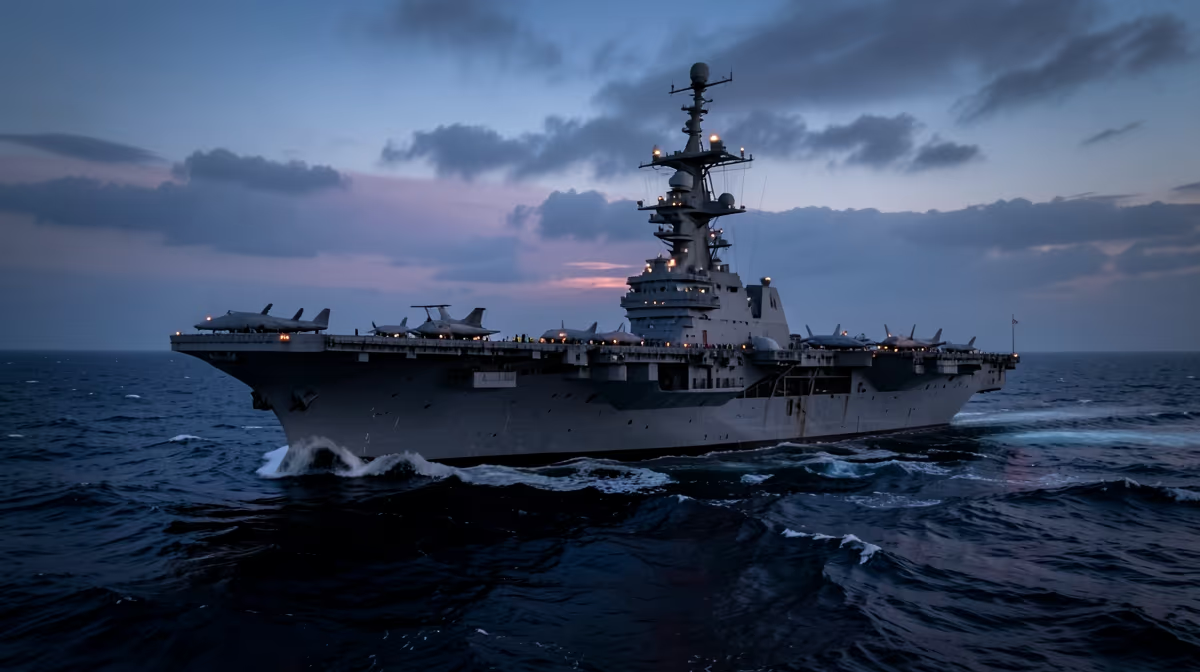
Operating a floating nuclear-powered city requires absolute psychological resilience, yet structural strains are exposing deep fractures within the surface fleet. Amid consecutive extended deployments and high operational tempos, sailors aboard the USS Abraham Lincoln have faced mounting morale and mental health challenges, prompting increased scrutiny from naval leadership regarding fleet welfare in recent months. Recent reports highlighting uss abraham lincoln morale issues have sparked renewed debate across the defense sector regarding ongoing naval strain and operational demands. The Nimitz-class aircraft carrier has experienced significant strain during its recent patrols in the U.S. Central Command and Indo-Pacific regions. Extended deployments, deferred port visits, and constant combat readiness requirements have heavily impacted the crew's daily routine, leading to concerns from families and advocates about sailor well-being.
Operational Pressures and Fleet Realities
The aircraft carrier has undergone extended operational deployments in support of regional deterrence, stretching the limits of its all-volunteer crew. The deployment in question lasted over ten months, significantly exceeding standard deployment lengths and keeping sailors away from homeport for prolonged periods. This continuous extension at sea severely drained crew resilience and contributed heavily to the psychological strain reported onboard. Sailors faced severe quality of life issues, including recurring sewage leaks, lack of reliable hot water, and poor air conditioning in certain berthing areas. Additionally, limited access to recreational facilities and communication with families compounded the stress of daily operations. Defense analysts note that the situation on the USS Abraham Lincoln reflects a broader, persistent challenge for the surface fleet: balancing global deterrence missions with the physical and psychological limits of service members. As geopolitical tensions remain high, military planners are under pressure to find sustainable deployment models.
Root Causes and Structural Strain
The crisis stems from extended and repeated deployment cycles combined with chronic logistical failures in water and sewage systems onboard, exacerbated by inadequate mental health resource allocation. The normalization of austere living conditions as a test of resilience rather than a systemic failure led to underreported behavioral health crises and suppressed internal dissent. The aircraft carrier experienced a distressing cluster of suicides in 2022, with at least five sailors taking their own lives within a span of several months. This spike in fatalities prompted intense scrutiny from military leadership and the public regarding the mental well-being of deployed service members. Historical parallels can be drawn to the hollow military crisis of the late 1970s following the Vietnam War, marked by widespread retention issues and low morale amidst high operational demands.
Naval Leadership and Immediate Response
In response to these pressures, the U.S. Navy has deployed additional mental health professionals, including embedded chaplains and psychologist teams, directly to the ship. Leadership has also initiated town halls and internal surveys to gauge sailor sentiment and identify systemic stressors contributing to fatigue across the strike group. Navy leadership acknowledged the strain, stating through a Pentagon spokesperson that the mental health and resilience of our sailors remain a top operational priority, and we are continuously evaluating resource allocation to support those serving at sea. Officials conducted formal investigations and dispatched mental health augmentation teams to the ship to provide immediate support. Leadership also emphasized reducing stigma around seeking psychological help and improving the responsiveness of the chain-of-command to sailor complaints.
Political and Economic Dimensions
The situation weaponizes congressional oversight, forcing military leadership to justify operational tempos against troop welfare, while administration officials fear public relations fallout regarding military readiness and retention. High turnover rates resulting from plunging morale lead to increased retraining costs, while protracted shipyard maintenance delays for nuclear carriers inflate federal defense spending. Stretching naval assets to maintain constant deterrence in critical zones like the Middle East or Indo-Pacific projects operational strain, potentially signaling vulnerability to near-peer adversaries. Key players in this ongoing dynamic include the Secretary of the Navy, the USS Abraham Lincoln Commanding Officer, Naval Surface Force Atlantic leadership, and Family Advocacy organizations.
Future Outlook and Strategic Adjustments
Navy public affairs will likely issue a formal statement addressing the reported morale concerns aboard the vessel, emphasizing ongoing support services and leadership engagement. Congressional inquiries or requests for briefings from the House Armed Services Committee may be initiated to investigate deployment extensions and quality of life conditions. Experts predict the incident will accelerate broader military reviews into operational tempo and extended deployment impacts on sailor retention, leading to temporary policy adjustments rather than structural operational changes. In the best case, rapid intervention by mental health teams and leadership communication alleviates immediate stress, resulting in improved crew feedback and no operational delays. In the worst case, escalating discontent leads to significant retention drops, potential safety compromises during operations, and a prolonged congressional investigation into naval leadership.
Frequently Asked Questions
What caused morale issues on the USS Abraham Lincoln?
Morale on the USS Abraham Lincoln declined significantly due to extended deployment lengths, heavy operational tempos, and a series of tragic sailor suicides. Crew members also reported frustrations regarding living conditions, broken onboard amenities, and inadequate mental health support during these stressful periods.
How many suicides occurred on the USS Abraham Lincoln?
The aircraft carrier experienced a distressing cluster of suicides in 2022, with at least five sailors taking their own lives within a span of several months. This spike in fatalities prompted intense scrutiny from military leadership and the public regarding the mental well-being of deployed service members.
What was the response from the Navy regarding the USS Abraham Lincoln morale problems?
In response to the crisis, Navy leadership conducted formal investigations and dispatched mental health augmentation teams to the ship to provide immediate support. Officials also acknowledged systemic challenges related to deployment pacing and pledged to improve quality of life measures for sailors.
How long was the USS Abraham Lincoln deployment when morale dropped?
The deployment in question lasted over ten months, significantly exceeding standard deployment lengths and keeping sailors away from homeport for prolonged periods. This continuous extension at sea severely drained crew resilience and contributed heavily to the psychological strain reported onboard.
What living conditions did sailors face on the USS Abraham Lincoln?
Sailors faced severe quality of life issues, including recurring sewage leaks, lack of reliable hot water, and poor air conditioning in certain berthing areas. Additionally, limited access to recreational facilities and communication with families compounded the stress of daily operations.
What changes were made to prevent future morale crises on aircraft carriers?
Following the incidents on the USS Abraham Lincoln, the Navy implemented broader reforms focusing on mental health resource availability and more sustainable deployment schedules. Leadership also emphasized reducing stigma around seeking psychological help and improving the responsiveness of the chain-of-command to sailor complaints.
Conclusion
The deployment of supplemental mental health assets to the strike group and ongoing internal assessments by Navy leadership confirm an active effort to address sailor welfare aboard the vessel. Verified developments center on leadership listening sessions, mental health deployments, and family advocacy awareness regarding the human cost of prolonged operations. Realistic next steps involve continued congressional oversight, potential policy adjustments regarding operational tempos, and the long-term evaluation of enhanced mental health resource integration across the surface fleet.


.webp)
