
Riyadh Airport Attack Leaves Casualties and Threatens Regional Security
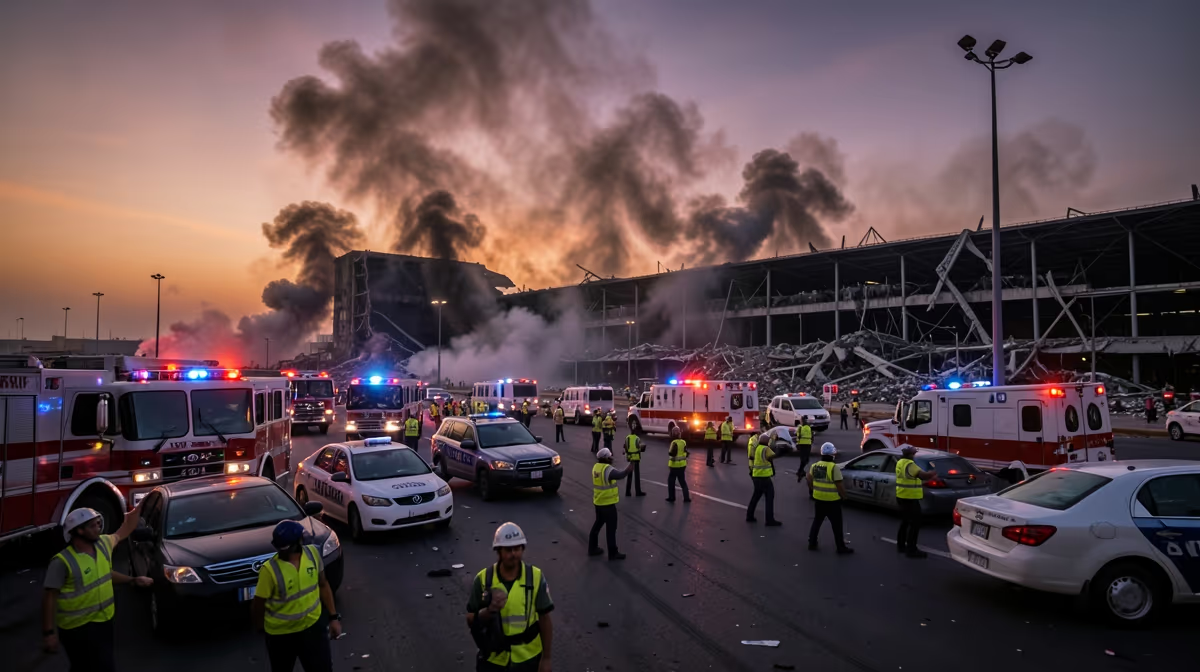
The sudden silence of the Arabian Peninsula's busiest transit hub was shattered by a strike that has sent shockwaves through the global intelligence community and the heart of the Saudi capital. Breaking news reports confirm a devastating attack on Riyadh airport has left twelve people dead and over 300 injured, raising urgent concerns regarding regional stability and the safety of critical civil infrastructure.
This attack on a major international airport in the Middle East represents a significant escalation in regional security threats, disrupting civilian travel and heightening safety concerns for global aviation and infrastructure.
Current Situation and Casualties at Riyadh Airport
The immediate aftermath of the strike reveals a scene of significant devastation within the airport facilities. According to official figures released by Saudi authorities and documented by international media outlets including the BBC and Sky News, at least 12 individuals lost their lives in the incident. The scale of the human cost is further emphasized by the reports of more than 300 people sustaining various injuries, requiring an immediate and massive emergency response from local medical services and airport security teams.
Visual evidence from the site, as highlighted by Sky News, shows extensive damage and debris scattered inside the terminal buildings. The chaos following the explosion triggered widespread panic among travelers and staff, as emergency responders worked to secure the area and provide medical attention to the hundreds of wounded victims. Major news organizations, including NPR and ITVX, have confirmed these casualty figures, noting that the victims include air passengers, airport personnel, and others present at the facility during the assault.
| Metric | Confirmed Data |
|---|---|
| Fatalities | 12 people |
| Injuries | 300+ individuals |
| Primary Location | Riyadh International Airport |
| Physical Evidence | Significant structural damage and scattered debris |
| Verification | Saudi Authorities, BBC, Sky News, NPR, ITVX |
Regional Instability and the Hormuz Factor
The strike on the Saudi capital does not appear to be an isolated event in the current geopolitical landscape. While the attack on Riyadh airport was unfolding, simultaneous reports emerged regarding explosions in the southern Hormuz region, as documented by The National. This geographic synchronization suggests a broader pattern of instability across the Middle East, particularly affecting critical maritime and aerial corridors.
The geopolitical angle of this event highlights a period of heightened tension involving Saudi airspace and the Strait of Hormuz. Intelligence analysts suggest that the root cause of these incidents stems from escalating regional hostilities and asymmetric security vulnerabilities. By targeting vital civil aviation infrastructure in the Gulf, the perpetrators have managed to disrupt one of the world's most sensitive economic and transit zones. This concurrent activity in the southern Hormuz region further complicates the security assessment, as it forces regional security forces to divide their attention between maritime threats and capital city infrastructure protection.
Implications for Saudi Arabia Security and Regional Stability
For the Saudi leadership, the attack presents a multifaceted challenge that transcends immediate border defense. There is now intense pressure on authorities to balance a robust defense posture with the necessity of maintaining economic continuity. Riyadh is a central pillar of the nation's ambitious development plans, and a security breach of this magnitude at its primary gateway raises questions about the protection of densely populated capital infrastructure.
Analysts point to a potential "hidden angle" involving vulnerabilities in automated early-warning and missile defense networks. Despite significant investments in defense technology, the successful execution of an attack resulting in such high casualties suggests that asymmetric threats continue to find gaps in traditional security umbrellas. The incident has forced an immediate review of Saudi Arabia security protocols, specifically those guarding critical civilian hubs that were previously considered high-security zones.
Economic Fallout and Vision 2030
The strike carries heavy economic implications that extend beyond the physical repair costs of the airport terminal. Riyadh is the centerpiece of Saudi Vision 2030, a massive socio-economic reform project designed to diversify the economy through tourism, foreign investment, and infrastructure development. An attack of this scale directly threatens foreign investment confidence by highlighting the risks associated with major infrastructure projects in the region.
The immediate disruption to aviation and tourism is expected to be significant. Beyond the temporary closure or slowing of air traffic at Riyadh airport, the psychological impact on international travelers and global corporations could lead to a prolonged period of caution. Maintaining deterrence against regional adversaries while ensuring the kingdom remains an attractive destination for global business is now a primary concern for Saudi officials. The economic angle of this security breach suggests that the impact will be measured not just in debris cleared, but in the potential recalculation of risk by global stakeholders.
Historical Parallel and Strategic Vulnerabilities
To understand the gravity of the Riyadh airport strike, analysts point to historical parallels, specifically the 2019 drone and missile attacks on the critical Saudi oil processing facilities at Abqaiq and Khurais. Like the 2019 incidents, this attack targets a vital node of the nation's infrastructure, though it shifts the focus from energy to the movement of people and global connectivity.
Past strikes on critical infrastructure have demonstrated the persistent challenge of defending against asymmetric threats that bypass traditional military deterrence.
The use of "asymmetric" tactics—those that utilize relatively low-cost or unconventional methods to strike high-value targets—remains a defining feature of the current security landscape in the Gulf. The timeline of this event, moving from initial reports of explosions in Hormuz to the confirmed devastation in Riyadh, mirrors the rapid escalation seen in previous regional conflicts. This history of targeting infrastructure suggests that civil aviation may remain a primary focus for those seeking to create maximum visibility and economic disruption.
Chronology of a Developing Crisis
The timeline of the attack and the subsequent flow of information provide a clear picture of how the crisis developed:
- Initial security incidents and explosions are reported in the southern Hormuz region, signaling a shift in regional stability.
- A devastating strike occurs at the international airport in Riyadh, causing immediate fatalities and widespread injuries.
- Saudi authorities and emergency services mobilize to secure the facility and treat over 300 wounded individuals.
- Major international news outlets, including the BBC and Sky News, provide visual confirmation of structural damage and debris inside the terminal.
- Saudi officials release verified casualty figures, confirming 12 dead and over 300 injured, as investigations into the origin of the attack begin.
Future Outlook and Security Projections
The next 24 to 72 hours are expected to be critical for the region. Within the next day, Saudi authorities will likely continue recovery and forensic operations at Riyadh airport. This period will be defined by the release of official statements detailing the full extent of the damage and the potential identification of the methods used in the attack. Forensics will be vital in determining the source of the strike, which will, in turn, dictate the political and military response.
Over the next 72 hours, international condemnation is expected to intensify, accompanied by rigorous security reviews across Middle Eastern transport hubs. Analysts anticipate that Gulf infrastructure will be placed on heightened security alerts, potentially leading to disruptions in regional air traffic as a direct response to the attack.
Best-Case and Worst-Case Scenarios
In a best-case scenario, the situation remains localized. If no further attacks occur, Saudi authorities may be able to swiftly repair the damaged airport infrastructure and implement reinforced security measures without a wider regional escalation. This would allow for a return to normalcy and the restoration of investment confidence.
Conversely, the worst-case scenario involves the incident triggering retaliatory military actions or subsequent strikes on other critical infrastructure. Such a development could lead to prolonged airspace closures, heightened geopolitical tensions, and a significant setback for regional economic projects. Currently, regional security forces are maintaining a high state of alert as they assess the probability of further threats.
Frequently Asked Questions
What happened during the attack on Riyadh airport?
An attack on the airport in Saudi Arabia's capital, Riyadh, resulted in the deaths of at least 12 people and left over 300 others wounded. Saudi authorities confirmed the casualties following the major security incident.
Who was affected by the Riyadh airport attack?
Hundreds of individuals were impacted, with more than 300 people sustaining injuries in the assault. Passengers, airport staff, and emergency responders were directly affected by the chaos and casualties at the major transportation hub.
Why does the Riyadh airport attack matter?
This deadly incident marks a significant escalation in regional security threats, raising major concerns about the safety of critical infrastructure and aviation hubs in the Middle East. It has drawn international attention and heightened alarm over ongoing conflicts affecting the region.
What damage and debris were seen at Riyadh airport?
Media reports from outlets like Sky News revealed visible damage and scattered debris inside the facility following the deadly strike. The impact left clear physical marks on parts of the airport terminal.
What are authorities saying about the Riyadh airport attack?
Saudi authorities have released official figures confirming the death toll of 12 and the wounding of over 300 individuals. Investigations and assessments by security officials are ongoing to determine the full scope of the incident.
What happens next following the attack in Saudi Arabia?
Authorities and emergency services continue to manage the aftermath while security measures are likely being reviewed across transportation networks in the region. Observers are closely monitoring further developments and official statements from Saudi officials.
Conclusion
The attack on Riyadh airport, resulting in 12 fatalities and over 300 injuries, stands as one of the most significant security breaches in the region's recent history. The confirmed damage inside the terminal and the simultaneous reports of explosions in the southern Hormuz region point to a period of intense geopolitical volatility. While Saudi authorities work to manage the human cost and restore the integrity of their aviation infrastructure, the international community remains on high alert. The coming days will be defined by forensic investigations and the strategic decisions of Saudi leadership as they seek to restore security and maintain the economic momentum of Vision 2030 in the face of escalating asymmetric threats.
Sources
- Twelve killed and 300 injured in attack on airport in Saudi capital Riyadh — BBC
- Middle East latest: Explosions reported in southern Hormuz — The National
- Damage and debris seen inside Riyadh airport after deadly attack — Sky News
- At least 12 killed in attack on Saudi Arabia's Riyadh airport | ITV News — ITVX
- Attack on Riyadh airport killed 12 people and wounded over 300 more, Saudi authorities say — NPR


.webp)
