
Assam defence manufacturing in Rangia sparks a major regional shift
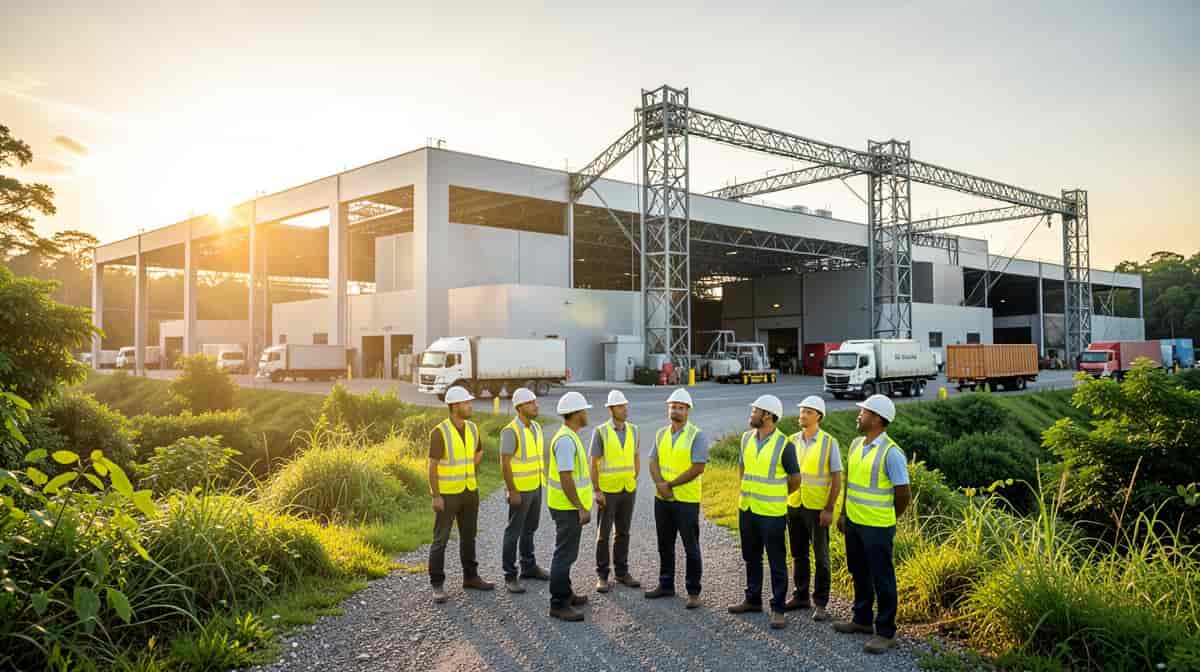
The establishment of the new Assam defence manufacturing facility Rangia marks a major milestone for industrial growth in Northeast India under the leadership of CM Himanta Biswa Sarma. By venturing into the high-stakes world of military production, Assam is positioning itself as a critical node in India’s national security architecture, moving beyond its traditional economic reliance on agriculture and natural resources.
The integrated facility in Rangia represents Assam’s official entry into the defence manufacturing sector, focusing on the production of high-tech drones, anti-drone systems, and specialized military bunkers.
Strategic Importance of the Rangia Defence Project
The decision to establish an integrated defence manufacturing facility in Rangia is not merely an industrial update; it is a strategic pivot for the entire Northeast region. Chief Minister Himanta Biswa Sarma has emphasized that this facility will focus on the production of advanced military hardware, specifically unmanned aerial systems (drones) and defensive infrastructure like bunkers. This move aligns with the national objective of decentralizing defence production, which has historically been concentrated in a few specific industrial corridors across central and southern India.
The geographical placement in Rangia provides a logistical advantage. As a growing industrial hub, Rangia is well-positioned to host a facility that requires both advanced technological input and robust transport links. This project is expected to attract significant private capital and foster a new ecosystem of specialized suppliers within the state. For a region that has long sought to diversify its economic base, the arrival of the defence sector signals a transition toward high-value technical manufacturing.
Technical Scope: Drones, Anti-Drones, and Bunkers
The production lineup for the Rangia facility reflects the changing nature of modern warfare. By focusing on drones and anti-drone technology, the plant addresses the increasing demand for surveillance and precision capabilities. Unmanned systems have become a cornerstone of border security and tactical operations, making this facility a vital contributor to the domestic supply chain.
Advanced Unmanned Aerial Systems
Counter-Drone Technology and Defensive Infrastructure
Economic and Industrial Evolution
For decades, the economic narrative of Assam was dominated by tea, oil, and agriculture. The introduction of the Assam drone manufacturing facility in Rangia introduces a high-tech industrial layer that has the potential to redefine the state's fiscal future. This transition from resource extraction to technical manufacturing is a deliberate move by the state administration to leverage central government policies, such as Atmanirbhar Bharat (self-reliant India).
| Phase of Development | Key Focus Areas |
|---|---|
| Initial Announcement | Official entry into the defence sector by CM Sarma |
| Infrastructure Mobilization | Planning and site development for the Rangia facility |
| Production Launch | Manufacturing of drones, anti-drones, and bunkers |
| Ecosystem Integration | Development of regional supply chains and dual-use tech |
The establishment of this plant is expected to generate high-value employment opportunities for the local workforce. Engineering and technical roles that previously required residents to migrate to other industrial hubs may now be available within the state. This influx of technical jobs is likely to stimulate local education and training sectors, creating a feedback loop of industrial growth.
Geopolitical and Security Assessment
Enhancing domestic defence manufacturing capacity near India’s strategic eastern frontiers strengthens regional deterrence capabilities. The Rangia plant serves a dual purpose: it supports the national goal of self-reliance in critical military hardware and ensures that the infrastructure needed for regional security is produced close to where it is most needed.
This facility could serve as a testing ground for dual-use technologies, potentially integrating civilian airspace management and border surveillance infrastructure across vulnerable transit corridors.
By producing anti-drone systems and bunkers locally, the state becomes an active participant in the security of its own borders and those of its neighbors. Analysts suggest that this decentralization is reminiscent of post-1962 industrial pushes, where strategic manufacturing was moved to peripheral regions to secure supply lines and reduce vulnerability to primary metropolitan target disruptions.
Political Dimension and National Alignment
The political drive behind this project is led by Chief Minister Himanta Biswa Sarma, who has positioned Assam as the northeastern gateway for India’s manufacturing ambitions. By aligning state policy with national security priorities, the Assam government is successfully attracting high-tech investments that were previously out of reach. This move demonstrates a sophisticated use of federal defense policies to drive regional economic development.
The administration’s focus on the Rangia industrial development project showcases a commitment to building long-term infrastructure. The project is not just about the immediate production of military goods but about establishing Assam as a reliable partner in the country’s sovereign manufacturing capabilities. This alignment helps secure central government support and ensures that the facility remains a priority in the national industrial roadmap.
Future Outlook and Expected Developments
The next 24 to 72 hours are expected to see a flurry of activity as local authorities and state government representatives release further implementation details. Discussions are likely to center on the production scope and the specific timelines for the setup of the integrated facility in Rangia.
Short-Term Predictions
Long-Term Impact
Frequently Asked Questions
What major announcement was recently made regarding Assam's defence sector?
Chief Minister Himanta Biswa Sarma announced that Assam is officially entering the defence manufacturing sector with a new integrated facility. This facility will be established in Rangia to boost regional industrial growth and national security capabilities.
Where exactly will the new Assam defence manufacturing facility be located?
The upcoming integrated defence manufacturing facility will be set up in Rangia, Assam. This location was specifically chosen to host the major defence production plant.
What products will be manufactured at the Rangia defence plant in Assam?
The integrated facility in Rangia will focus on producing advanced defence equipment. According to reports, the plant will manufacture items such as drones, anti-drones, and bunkers.
Why is the new defence manufacturing facility in Rangia important for Assam?
This project marks a significant milestone as Assam enters the high-tech defence manufacturing landscape. It aims to generate local employment opportunities, attract further industrial investment, and strengthen the region's economic and strategic footprint.
Who announced the establishment of the integrated defence facility in Rangia?
The announcement regarding the new defence manufacturing plant in Rangia was made by Assam Chief Minister Himanta Biswa Sarma. His administration has been driving initiatives to expand industrial development across the state.
What is expected to happen next following the announcement of the Rangia defence plant?
Following the official announcement by the Chief Minister, further developments are anticipated regarding land allocation, infrastructure setup, and partnerships for manufacturing drones, anti-drones, and bunkers at the site.
Conclusion
The entry of Assam into the defence manufacturing sector via the integrated facility in Rangia is a landmark development for the state and the nation. By focusing on critical modern technologies such as drones and anti-drone systems, the project addresses both economic needs and security imperatives. Under the leadership of CM Himanta Biswa Sarma, the state is effectively transitioning toward a high-tech industrial future. While the project is in its early stages, the strategic and economic implications of the **Assam defence manufacturing facility Rangia** are clear: it is a bold step toward regional self-reliance and national strength. The successful implementation of this facility will be closely watched as a potential model for industrial decentralization across India’s strategic frontiers.
Sources
- 2 Accused Who Robbed, Murdered Assam Family Injured In Police Encounter — NDTV
- Assam enters defence manufacturing sector; CM Sarma announces integrated facility in Rangia — The Shillong Times
- An Assam teenager began growing pineapples on just two bighas despite his family's doubts; a decade later — The Times of India
- Assam: Nobel peace prize nominee, Guwahati’s first Archbishop Thomas Menamparampil passes away — NENow.in
- Defence Plant to Come Up in Assam’s Rangia; Drones, Anti-Drones, Bunkers to Be Manufactured — guwahati Plus News
- Demand grows for a modern suburban railway network in Guwahati — The Sentinel - of this Land, for its People


