
Russia Ukraine war casualties and oil strikes reach a critical phase
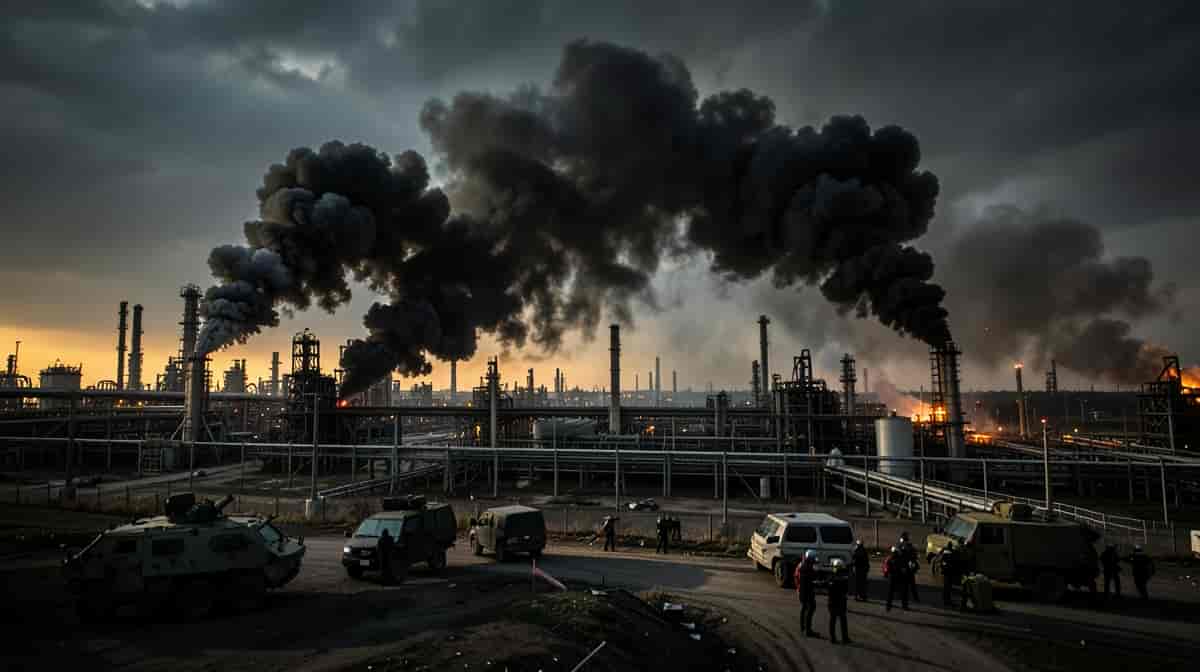
The sheer scale of loss in the current theater of conflict has reached a point where statistical data begins to resemble the darkest chapters of 20th-century warfare. While the human cost climbs toward nearly three-quarters of a million lives, a secondary front has ignited across the industrial heartlands of the Russian Federation. As the conflict enters a critical phase, the latest Russia Ukraine war casualties and oil plant strikes have drawn intense global attention, signaling a transition from a war of territorial control to a high-stakes campaign of economic and human attrition. Recent analyses and official reports indicate that Russian military casualties in the ongoing war in Ukraine have approached staggering milestones, while escalating drone strikes on Russian oil facilities prompt threats of retaliation from Moscow.
The convergence of nearly 720,000 Russian military deaths and targeted strikes on strategic energy infrastructure marks a critical hardening of resolve in Kyiv, despite high-level international diplomatic pressure.
The Scale of Human Attrition
The human toll of the conflict has reached levels that analysts describe as catastrophic. New data analyses from prominent outlets including the BBC, The New York Times, and CNN suggest that Russian military deaths have reached between 500,000 and over 700,000 since the beginning of the full-scale invasion. These figures highlight the immense human cost borne on the battlefield as the conflict persists as a grinding war of attrition characterized by heavy artillery, trench warfare, and frequent drone attacks.
- The New York Times indicates that over 700,000 Russian soldiers have died.
- CNN reports a figure of 720,000, suggesting a rate of one death every four minutes.
- BBC reports confirm that Russia’s own internal figures or related data points suggest nearly 500,000 fatalities.
This dramatic rise in casualties highlights the severe human toll of the conflict, while the targeting of oil plants risks disrupting global energy supplies and escalating military retaliation. The immense loss of life reflects a military environment where both sides are increasingly locked into long-range engagements and persistent missile strikes, pushing the region further away from a peaceful resolution.
Strategic Disruption of Energy Infrastructure
Simultaneously, the conflict has seen a tactical escalation targeting critical infrastructure inside Russia. Ukrainian forces have executed targeted long-range drone strikes against strategic Russian oil plants and refining facilities. These attacks on domestic oil processing plants threaten key state revenue streams and domestic energy stability, compounding the broader economic toll of the prolonged conflict and international sanctions.
| News Source | Key Development Reported |
|---|---|
| Reuters | Putin claims strikes occurred despite international requests |
| Al Jazeera | Putin warns that retaliation for oil plant strikes is inevitable |
| CNN | Reports on the acceleration of military losses alongside infrastructure damage |
Russian President Vladimir Putin has described upcoming retaliation against Ukraine as inevitable following the oil plant strikes. These strikes have directly affected domestic energy infrastructure and fuel processing capabilities, adding further economic pressure on Russia while raising tensions regarding potential retaliatory measures. The targeting of these facilities suggests that Ukrainian leadership has prioritized the disruption of the Russian economic engine, even as front-line casualties continue to mount on both sides.
The Collision of Diplomacy and Battlefield Reality
The intensification of long-range strikes against domestic Russian energy facilities despite external diplomatic requests signals a hardening resolve in Kyiv. Reports from Reuters and Al Jazeera indicate that Russian President Vladimir Putin has noted the strikes occurred despite requests from Donald Trump. This suggests a persistent targeting of oil infrastructure even in the face of high-level international diplomacy, indicating that localized tactical imperatives on the battlefield are increasingly overriding broader diplomatic constraints.
International Business Fallout
In the broader diplomatic and political sphere, international reverberations continue to unfold. Notably, Financial Times reports indicate that Donald Trump has shelved plans for business deals with Russia amidst the intensifying conflict and ongoing geopolitical fallout. This shift in stance by a key international figure underscores the volatility of the geopolitical landscape and the increasing difficulty of maintaining business as usual while casualty figures reach historic thresholds.
Domestic and Political Pressure
Domestic pressures are mounting on leadership in Moscow as casualty estimates climb past historical thresholds. The political angle of this escalation is significant; as the human cost of the war becomes more difficult to manage, the Kremlin has leaned into rhetoric of inevitable retaliation to maintain domestic support and signal strength to international observers.
Analytical Perspectives on Industrial Warfare
The current state of the conflict draws a historical parallel to the strategic bombing campaigns targeting fuel and logistical supply lines during the latter stages of 20th-century industrialized conflicts. Analysts suggest that the root cause of this escalation is a war of attrition that has reached catastrophic human and infrastructure costs. The intersection of mounting casualties and escalating strategic strikes on critical energy infrastructure creates a volatile environment where neither side appears ready to de-escalate.
The persistent targeting of oil infrastructure despite high-level international diplomacy suggests that localized tactical imperatives on the battlefield are increasingly overriding broader diplomatic constraints.
The economic angle of these developments is equally critical. Direct attacks on Russian oil processing and refining plants threaten the foundational revenue streams of the Russian state. This strategy aims to degrade the military's logistical capabilities while simultaneously creating domestic instability within Russia's energy markets.
Future Trajectory and Security Risks
The outlook for the next 24 to 72 hours remains tense. Observers expect continued analysis of the reported casualty figures and monitoring of potential retaliatory moves by Russia. There is an expert prediction of heightened security around critical energy facilities and an increased risk of retaliatory strikes following the recent escalation in infrastructure attacks.
- Short-term monitoring of Russian military leadership for signs of immediate retaliation.
- Heightened security protocols around energy hubs in both Ukraine and Russia.
- Continued diplomatic ripple effects as international leaders react to the 700,000 casualty milestone.
Potential Scenarios
The best-case scenario involves a pause in targeted energy infrastructure strikes and renewed diplomatic engagement to de-escalate the broader conflict. Conversely, the worst-case scenario would see severe and immediate military retaliation targeting Ukrainian critical infrastructure, leading to a broader escalation of hostilities and further loss of life.
Frequently Asked Questions
How many Russian soldiers have died in the war in Ukraine according to recent data?
Recent analysis indicates that over 700,000 Russian soldiers have been killed since the start of the conflict. Independent media reports and data estimates point to severe casualty figures, reflecting the heavy ongoing toll of the war.
Why did Vladimir Putin promise retaliation recently?
Russian President Vladimir Putin stated that retaliation is inevitable after Ukrainian forces successfully targeted Russian oil plants. These strikes occurred despite prior requests and diplomatic discussions, prompting strong reactions from Moscow.
What is the impact of Ukraine hitting Russian oil facilities?
The drone and missile strikes on Russian oil plants directly affect domestic energy infrastructure and fuel processing capabilities. This escalation adds further economic pressure on Russia while raising tensions regarding potential retaliatory measures.
What happens next as the conflict continues to escalate?
With Russia promising a forceful response to the oil facility strikes, observers anticipate heightened military actions and potential counter-attacks on Ukrainian infrastructure. Diplomatic efforts continue to face significant hurdles amid ongoing battlefield casualties.
What background context surrounds the rising casualty figures in Russia?
The dramatic increase in reported fatalities highlights the brutal attrition nature of the ongoing conflict. Independent journalistic investigations and leaked internal figures continue to underscore the immense human cost borne by military forces.
How have international leaders and figures reacted to the recent developments?
Amid escalating strikes and mounting casualties, international actors are adjusting their stances, with recent reports indicating shifts in diplomatic and business plans concerning Russia. The continued exchange of attacks underscores the volatility of the geopolitical landscape.
Conclusion
The convergence of staggering casualty figures and the systemic targeting of energy infrastructure marks a new and more volatile chapter in the conflict. With estimates of Russian military deaths reaching as high as 720,000, the human cost of this war of attrition has become impossible to ignore. Simultaneously, the strikes on Russian oil plants have forced a shift in the strategic landscape, prompting warnings of inevitable retaliation from the Kremlin and complicating international diplomatic efforts. As Donald Trump shelves business interests and the Russian military prepares its response, the global community remains on high alert. The coming days will likely determine whether this escalation leads to a broader regional firestorm or if the mounting costs will finally force a pivot toward de-escalation. For now, the focus remains on the critical vulnerability of energy markets and the devastating human toll that continues to mount by the minute.
Sources
- Russia's own figures show almost 500,000 deaths in war in Ukraine — BBC
- Over 700,000 Russian Soldiers Have Died in Ukraine, Analysis Indicates — The New York Times
- One every four minutes: 720,000 Russian soldiers killed since start of Ukraine war, new data suggests — CNN
- Putin says retaliation ‘inevitable’ after Ukraine hit Russian oil plants — Al Jazeera
- Donald Trump shelves plans for business deals with Russia — Financial Times
- Putin says Ukraine hits Russian oil plants despite Trump's requests, promises retaliation — Reuters


