
Daylight Saving Time 2026 Ends Tonight Amid an Unprecedented Shift
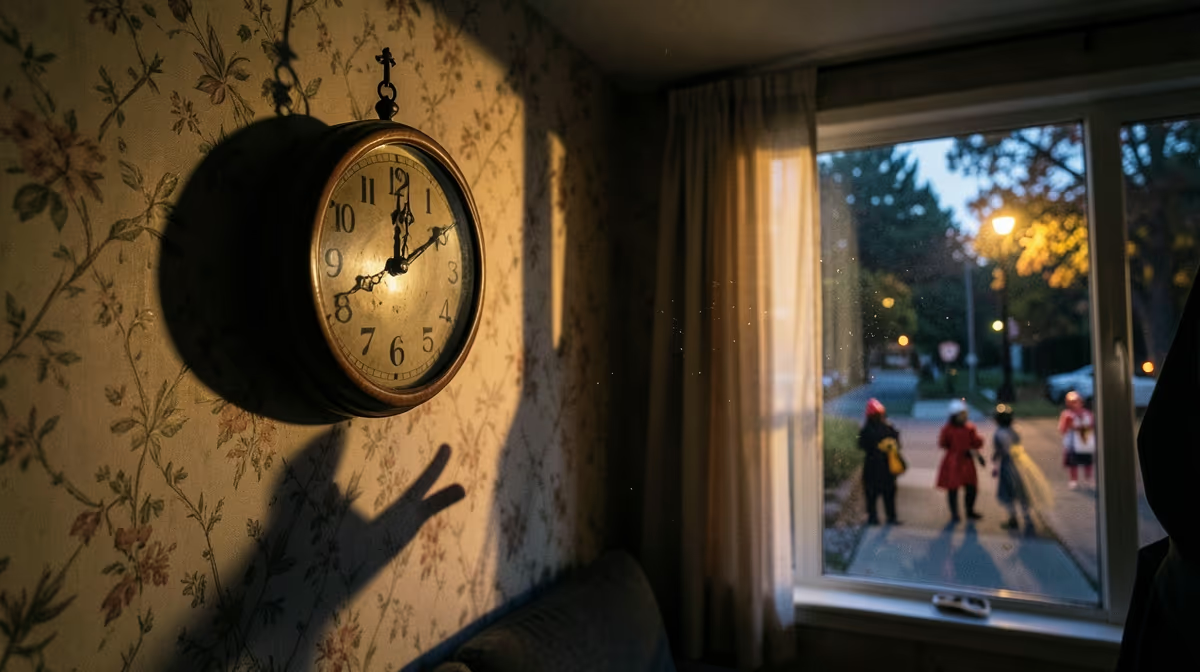
Turning back the clock offers an extra hour of rest tonight, but it also ushers in months of afternoon darkness. As Daylight saving time 2026 ends tonight, Americans nationwide are setting their devices and traditional timepieces back by one hour, concluding the annual summer schedule and transitioning back to standard time.
Tonight marks the official conclusion of daylight saving time for 2026, granting an extra hour of sleep as clocks fall back on Saturday, October 31, 2026.
This biannual ritual falls on an unusual date this year: Saturday, October 31, 2026. Because the clock change coincides directly with Halloween, communities, municipal services, and households face an evening where seasonal festivities and the shift back to standard time occur simultaneously. While millions anticipate the immediate benefit of gaining an extra hour of sleep before Sunday morning, the change initiates a familiar seasonal debate over sleep schedules, public safety, and the long-term utility of shifting the clock twice a year.
The Mechanics of the Fall Back Transition
The immediate logistics of the time change are straightforward, yet they govern scheduling across all participating regions of the United States. Clocks officially fall back by one hour, effectively resetting time and returning the country to standard time. For most modern households, the transition occurs seamlessly in the digital background. Most smartphones, networked computers, connected appliances, and smart electronic devices are programmed to update their internal clocks automatically during the night.
However, non-networked systems and traditional mechanical clocks require manual intervention. Residents must manually adjust analog wall clocks, vehicle dashboard displays, battery-operated bedside timepieces, and non-connected household appliances. The practical rule of the transition—falling back by one hour—ensures that the hour between 1:00 a.m. and 2:00 a.m. is effectively repeated, granting an extra hour of sleep overnight.
The immediate consequence becomes apparent on Sunday afternoon. With the shift back to standard time, sunset will arrive significantly earlier in the evening than it did in previous weeks. This sudden onset of earlier darkness shortens late-afternoon daylight hours, fundamentally altering the daily routine for outdoor workers, school children, evening commuters, and families across every affected state.
A Unique Convergence With Halloween
The 2026 transition brings a distinct logistical dynamic due to its precise calendar placement. Occurring on October 31, the time change coincides directly with Halloween, creating what many observers and media outlets have characterized as a spooky backdrop for the seasonal adjustment.
This calendar overlap places unusual operational demands on local communities. Municipal safety resources, regional authorities, and local police departments must monitor increased evening foot traffic while preparing for the operational reset of the clock. Local authorities and safety organizations are explicitly urging drivers and pedestrians to exercise heightened vigilance:
- Drivers must stay alert for increased neighborhood foot traffic during trick-or-treating hours.
- Pedestrians and families are urged to maintain visibility as evening darkness sets in.
- Motorists must prepare for altered visibility conditions as natural daylight recedes earlier in the day.
- Commuters and travelers should double-check transportation itineraries and local transit schedules during the shift.
The simultaneous occurrence of consumer events, neighborhood gatherings, and the seasonal time change introduces unique localized strains. Retail supply chains and municipal safety coordinators have had to balance the demands of holiday activities alongside public safety messaging regarding the impending shift to darker evenings.
The Historical Path From War Measures to the 1966 Standard
The practice of manipulating the clock to manage natural light has deep roots in modern industrial history. The semi-annual adjustment originated from early 20th-century energy conservation measures and wartime necessities. During World War II, the United States instituted what was known as "War Time," establishing continuous year-round daylight saving to support national defense production and conserve critical energy resources.
Following the conclusion of World War II, the nationwide system fragmented. Individual states, counties, and municipalities adopted an erratic patchwork of local time standards, causing severe logistical disruption across interstate commerce, transportation networks, and broadcast industries. To resolve the resulting chaos, the federal government stepped in.
Congress passed the Uniform Time Act of 1966, which established standardized national rules for daylight saving time across the United States. Under this landmark legislation, states were granted the flexibility to opt out of daylight saving time entirely by remaining on year-round standard time, but those choosing to participate were mandated to adhere to synchronized federal transition dates. Over subsequent decades, Congress revisited and adjusted the exact start and end dates of daylight saving time to extend daylight hours further into the calendar, culminating in the current schedule observed today.
Public Health, Sleep Cycles, and Workplace Impacts
Despite historical justifications grounded in energy conservation, modern evaluations view seasonal clock adjustments through a very different lens. Public health researchers, sleep specialists, and medical organizations have voiced growing pushback against the biannual disruption, emphasizing the toll that sudden schedule shifts take on human circadian biology.
Although the fall back change provides an immediate extra hour of sleep tonight, the biological adjustment to darker evenings is far more intricate. The human circadian rhythm relies heavily on morning and evening light exposure to regulate sleep cycles, cognitive alertness, and metabolic balance. The abrupt change in evening daylight disrupts these internal biological patterns, forcing individuals to recalibrate their daily routines.
The shift introduces observable effects across several core areas of public health and daily operations:
- Disrupted sleep schedules: Shifting the clock alters natural sleep latency, leaving individuals prone to early-morning awakenings and afternoon fatigue during the initial transition period.
- Commuter safety risks: The arrival of earlier evening darkness starting Sunday coincides directly with peak rush-hour traffic, creating low-visibility driving conditions that heighten the risk of fatigue-related transit incidents.
- Mental alertness and mood: Reduced exposure to natural light in the late afternoon can dampen energy levels and personal alertness for workers and students navigating the post-transition workweek.
- Workforce productivity: Modern economic assessments highlight mixed productivity outcomes, noting that the disruption to personal rest routines can temporarily undermine workplace output during the initial days of the time change.
Economic Consequences and Global Logistics
Beyond the biological realm, moving the clock produces measurable reverberations across national commerce and international trade. Historical policies presumed that shifting an hour of daylight to the evening would generate substantial reductions in electricity usage. However, contemporary economic data demonstrates mixed results, with energy savings often offset by heightened domestic heating demands and shifting consumption habits.
Retail sectors experience notable shifts during the transition weekend. Targeted retail shifts emerge around consumer shopping patterns, as earlier darkness often curtails late-afternoon foot traffic while altering leisure activities.
On a broader scale, the time change exposes the logistical friction caused by international desynchronization. Because the United States changes its clocks on a schedule that differs from many international trading partners, global financial markets, multinational banking operations, freight logistics, and cross-border digital platforms experience temporary operational friction. For several weeks, communication windows and trading desk synchronizations between international financial hubs must adjust until global schedules align.
Legislative Gridlock and State-Level Pushback
The persistent disruption caused by the biannual clock change has fueled intense political debate. For years, federal lawmakers have introduced measures such as the Sunshine Protection Act, designed to abolish the twice-yearly time change and establish permanent daylight saving time nationwide.
However, persistent legislative inertia in Washington has left these federal proposals stalled in Congress. The political impasse highlights divisions between legislative priorities, public health consensus, and conflicting commercial interests:
| Perspective | Core Focus | Current Policy Stance |
|---|---|---|
| Federal Legislation | Sunshine Protection Act | Stalled in Congress due to federal legislative inertia |
| Medical & Sleep Experts | Circadian health & public safety | Advocates for permanent standard time over seasonal shifts |
| State-Level Governments | Regional autonomy (e.g., Florida) | Published transition schedules extending through 2036 while pushing for federal reform |
| Commerce & Retail Sectors | Consumer habits & energy impacts | Divided between longer summer evenings and winter morning safety |
Frustrated by federal inaction, numerous individual states have pursued their own remedies. In states like Florida, lawmakers have actively examined measures to reform or eliminate the biannual clock shift. Because state authorities currently lack the federal authorization to unilaterally implement permanent daylight saving time, state calendars continue to project traditional fall back transition dates stretching ahead through 2036. The continued reliance on multi-year transition calendars demonstrates how deeply entrenched the system remains despite ongoing scrutiny from lawmakers and the public.
What to Expect Over the Next 72 Hours
The immediate hours following the transition will center on adjustment and public coordination. Over the next 24 hours, clocks officially fall back across participating states, presenting residents with an immediate extra hour of sleep and noticeably earlier sunsets beginning Sunday evening.
Over the subsequent 72 hours, communities will navigate the initial full workweek under standard time. Commuters will adapt to earlier twilight during their evening drive home, while schools, public transit authorities, and employers manage the subtle behavioral shifts triggered by altered sleep patterns.
Analysts evaluate two potential trajectories for the transition period:
- Best-case scenario: A seamless nationwide transition characterized by smooth digital clock synchronization, zero major disruptions across transportation or air travel schedules, and minimal fatigue-related traffic incidents.
- Worst-case scenario: Widespread scheduling confusion, an uptick in fatigue-induced commuter accidents during dark evening travel windows, and renewed public frustration directed at the continued maintenance of the biannual clock adjustment.
Media outlets are expected to maintain extensive coverage throughout the coming days, offering guidance on sleep hygiene and road safety while monitoring long-term legislative developments surrounding the future of daylight saving time.
Frequently Asked Questions
When does daylight saving time end in 2026?
Daylight saving time for 2026 ends tonight, Saturday, October 31, 2026, when clocks officially fall back by one hour across the United States.
Do we gain or lose an hour of sleep when clocks fall back?
Falling back by one hour shifts the clock backward, providing residents with an extra hour of sleep overnight.
Do electronic devices update the time change automatically?
Yes, most networked electronic devices, including smartphones and computers, update automatically, but traditional analog and non-networked clocks must be changed manually.
What are the main impacts of returning to standard time?
The transition results in earlier sunsets and darker late afternoons for the winter months, requiring adjustments to sleep schedules, daily routines, and evening commuting conditions.
What is the status of federal efforts to end the biannual clock change?
Federal proposals such as the Sunshine Protection Act remain stalled in Washington due to legislative inertia, leaving states to follow established federal schedules that extend through 2036.
Conclusion
The conclusion of daylight saving time tonight delivers an extra hour of sleep to millions of Americans, but it also restores earlier sunsets and winter darkness across the country. Falling on October 31, 2026, the transition creates a unique intersection with Halloween, highlighting the immediate importance of evening pedestrian and vehicular safety. As citizens manually reset traditional clocks and adjust to earlier evening twilight over the next 72 hours, the broader institutional debate remains unresolved. Despite mounting pushback from medical professionals and repeated state-level scrutiny, congressional inertia leaves the statutory framework of the Uniform Time Act firmly in place, ensuring that the biannual shift remains an enduring feature of the American calendar.
Sources
- Daylight saving time 2026 ends tonight. Here's what time the clocks change and more key details. — CBS News
- Daylight saving time is spooky this year: What to know about the 2026 clock change — Fast Company
- Daylight saving ends today in Florida. But see fall back dates until 2036 — The Palm Beach Post


