
GM Privacy Settlement Signals a Major Shift for Every US Driver
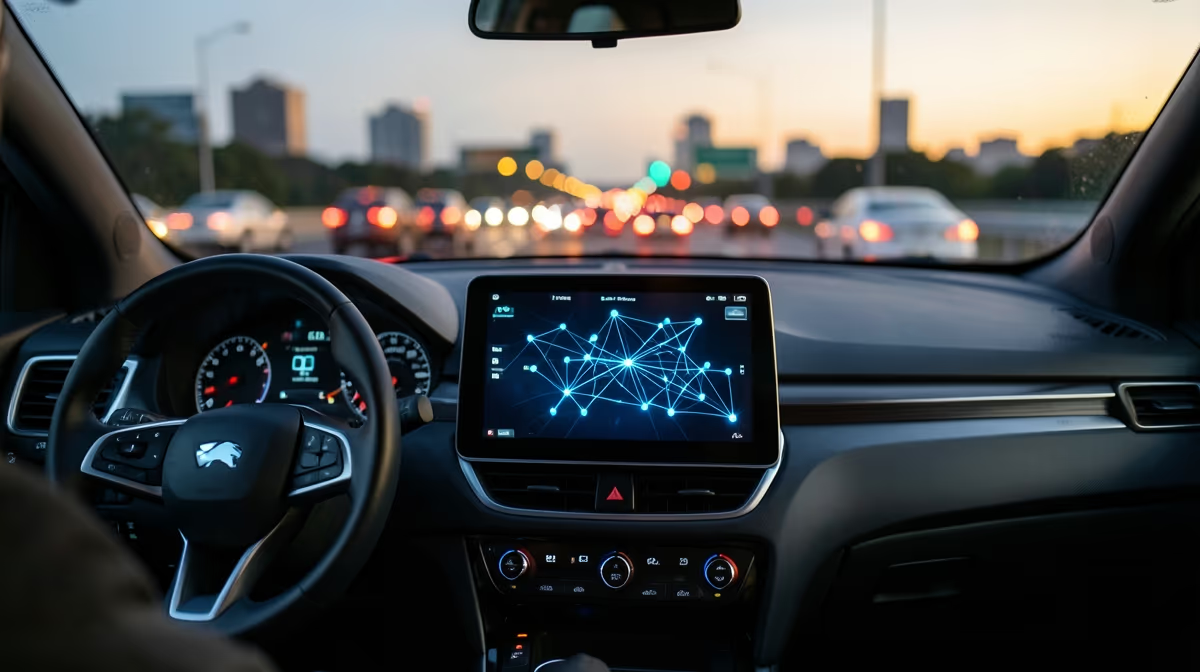
Modern automobiles generate continuous telemetry with every turn of the wheel, logging locations, braking intensity, and acceleration patterns. For years, motorists operated under the assumption that their private journeys remained private, unaware that vehicle systems were systematically documenting their daily habits behind the wheel. That era of unchecked data collection has met a defining reckoning as General Motors agreed to a $220 million GM privacy settlement to resolve serious allegations surrounding the unauthorized harvesting and distribution of customer driving records.
The $220 million settlement establishes a critical precedent for the automotive sector, penalizing the unauthorized monetization of driver telemetry and enforcing greater transparency in connected vehicle software.
The Scope of the $220 Million Resolution
The agreement resolves claims that the automaker violated drivers' privacy rights through the systemic collection and handling of sensitive driving telemetry. Under the terms reported by Reuters in October 2026, the Detroit-based manufacturer agreed to pay $220 million to put the widespread driver privacy violation allegations to rest. The case addresses consumer grievances centered on connected vehicle systems that continuously monitored operator behavior, route histories, and physical vehicle locations without adequate disclosure or explicit consumer authorization.
The legal action has drawn widespread interest from consumers, legal professionals, and privacy advocates across the United States. While the payment figure stands as one of the largest corporate payouts recorded for automotive data practices, core administrative aspects remain in progress. The distribution mechanisms for the settlement funds, alongside specific structural operational mandates, remain subject to final approval by the presiding court before claims administration can formally begin for affected vehicle owners.
Behind the Dashboard: Telematics and Data Monetization
Modern vehicles have effectively transitioned into sophisticated data centers on wheels. Advanced telematics systems, originally integrated for maintenance diagnostics, emergency responses, and onboard infotainment, possess the technical capacity to log granular behavioral metrics. In the General Motors lawsuit, the root dispute centered on how these systems tracked everyday driving conduct—including speed, braking habits, and real-time transit locations—and transformed that data into commercial assets.
Investigations revealed that automakers integrated telemetry tracking mechanisms without securing clear, informed consent from vehicle operators. Instead of keeping diagnostic readings confined to vehicle maintenance, driver profiles were channeled outward to commercial entities. A critical aspect of the dispute involved the pipeline feeding third-party data brokers and insurance scoring algorithms, where personal driving records were analyzed and utilized in ways that directly impacted vehicle owners without their transparent knowledge or active consent.
The systemic integration of connected-vehicle telemetry without explicit consent exposes deep structural dependencies on third-party data brokers and opaque insurance scoring systems.
Regulatory Friction and Parallels to Big Tech
The fallout from the investigation reflects a broader push by United States federal and state authorities to confront corporate surveillance capitalism and close persistent loopholes in digital consumer protections. Regulatory officials have increasingly scrutinized how traditional industrial manufacturers adopt data practices modeled after Silicon Valley tech platforms.
| Phase of Dispute | Core Development | Primary Stakeholders Involved |
|---|---|---|
| Phase 1: Telematics Integration | Deployment of continuous vehicle tracking, telemetry logging, and connected services | Automakers and connected vehicle software teams |
| Phase 2: Commercial Distribution | Sharing of granular driving behavior, speed, and location metrics with data brokers | Automakers, data brokers, and insurance analytics firms |
| Phase 3: Legal Confrontation | Regulatory investigations and privacy violation claims challenging non-consensual tracking | Affected drivers, legal regulators, and corporate defense |
| Phase 4: Financial Settlement | Formal agreement establishing a $220 million resolution to conclude litigation | General Motors, regulatory authorities, and US court systems |
The controversy draws direct historical parallels to the 2010 Google Street View Wi-Fi data collection incident, where tech corporations faced international regulatory backlash after fleet vehicles passively harvested private payload data from unencrypted residential networks. In both instances, passive collection architectures gathered private information in the background while users remained entirely unaware. Furthermore, the regulatory momentum in the United States increasingly mirrors the rigorous enforcement philosophy of Western standards like the European Union's General Data Protection Regulation, compelling multinational vehicle manufacturers to align their operational software and data governance frameworks globally.
Economic Consequences for the Automotive Industry
The financial impact of the $220 million penalty extends beyond a balance sheet deduction for General Motors. For decades, automotive executives have projected connected vehicle software and continuous data subscriptions as vital future revenue drivers intended to supplement traditional hardware sales. The settlement poses an immediate challenge to those commercial assumptions by demonstrating that non-transparent data monetization carries severe corporate legal liability.
Automotive enterprises must now re-evaluate how they handle user telemetry and evaluate the operational costs of maintaining compliance across varied regulatory jurisdictions. Relying on vague terms of service buried inside vehicle setup menus is no longer a viable corporate strategy. As regulatory oversight intensifies, the cost of remediating data pipelines, re-architecting vehicle firmware, and establishing transparent opt-in protocols will require significant capital allocation across the sector, altering the financial calculus of vehicle data monetization.
Immediate Aftermath and Sector Trajectory
Market analysts and legal observers are actively reviewing the detailed provisions of the settlement agreement to gauge its broader ramifications for corporate governance. Over the next 24 hours, financial markets are parsing the exact liability exposures, evaluating whether similar data pipelines exist across competing manufacturing platforms. Over the next 72 hours, legal and regulatory scrutiny is expected to expand across the wider automotive industry, forcing rival brands to audit their internal telematics programs and third-party data-sharing contracts.
Legal analysts anticipate that this major financial settlement will catalyze stricter internal data governance frameworks across the entire vehicle manufacturing landscape, while accelerating federal and state legislative initiatives targeting connected vehicle privacy. In a best-case scenario, automakers will proactively reconstruct their data collection and consent frameworks, establishing clear user controls that restore consumer trust without triggering years of combative court proceedings. Conversely, the worst-case scenario points toward a cascading wave of copycat litigation targeting other automakers, subjecting the entire transportation industry to protracted legal friction, mounting compliance burdens, and elevated corporate liabilities.
Frequently Asked Questions
What is the $220 million General Motors settlement about?
General Motors agreed to pay $220 million to resolve allegations that the company violated drivers' privacy rights. The legal action centers on accusations regarding how driver data was collected and handled.
Why does this GM privacy settlement matter?
This major settlement highlights growing legal and regulatory scrutiny over connected vehicle technologies and driver data privacy. It sets a significant precedent for how automakers handle personal information gathered from modern cars.
Who is affected by the GM drivers' privacy settlement?
The settlement primarily impacts drivers and vehicle owners whose data was allegedly collected and shared without proper consent. Affected individuals may be eligible for relief as part of the legal resolution terms.
What happens next following the $220 million agreement?
Following the agreement, the settlement terms must typically receive final approval from the court before claims administration and payouts begin. GM may also face ongoing pressure to update its data privacy practices and transparency.
What is the background of the allegations against GM?
The case arose from concerns over connected car services and telematics features that track driving behaviors, locations, and other personal metrics. Consumers and regulators increasingly scrutinized whether drivers were adequately informed about these data collection practices.
What specific financial penalty was agreed upon in the case?
GM agreed to a substantial financial penalty totaling $220 million to put the privacy allegations to rest. This figure represents one of the notable recent corporate payouts related specifically to connected vehicle data privacy.
Conclusion
General Motors' $220 million agreement to resolve driver privacy violation allegations marks a watershed moment for the connected transportation era. The settlement formally addresses claims that driving habits, location metrics, and vehicular telemetry were captured and shared with third-party brokers and insurance analytics systems without clear consumer consent. As the legal resolution moves toward final court approval and the formal distribution of settlement funds, the automotive industry faces an unavoidable transition. Automakers must now reconcile their technological connectivity with strict consumer data protections, recognizing that the vehicle cabin can no longer function as an unregulated frontier for behavioral data extraction.


