
EPFO UPI PF Withdrawal Move Set For 2026 Signals Major Access Shift
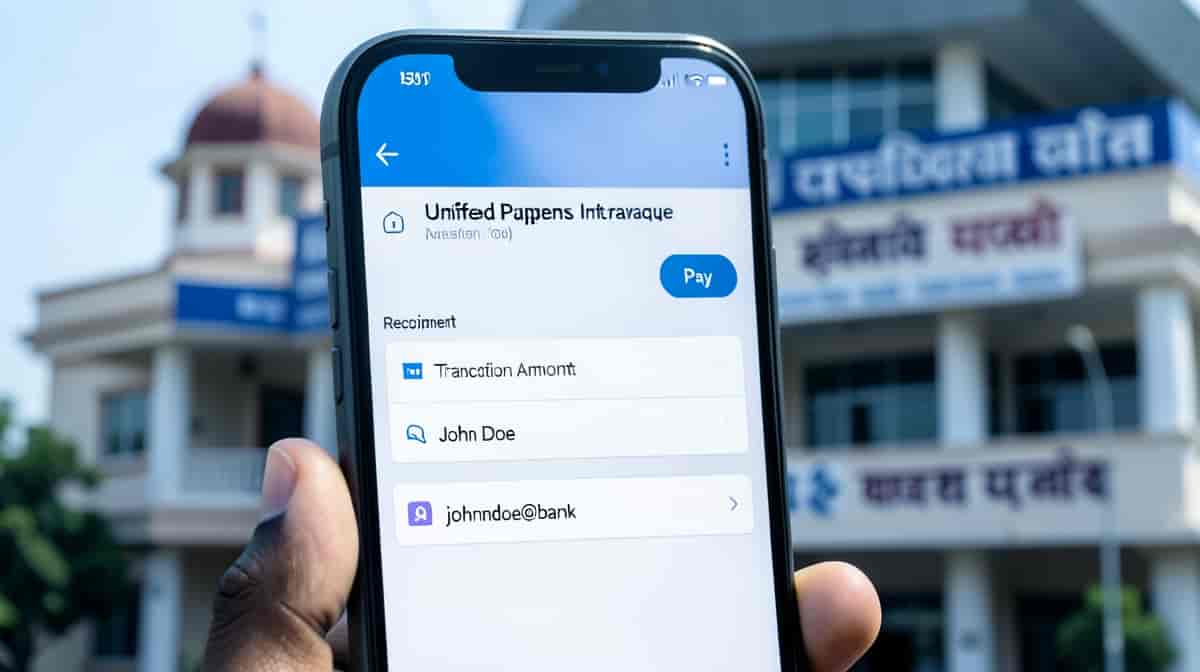
Imagine a world where your long-term retirement savings are as accessible as the digital balance used for your daily morning coffee. The Employees' Provident Fund Organisation is revolutionizing digital access with the upcoming EPFO UPI withdrawal system, making fund management easier than ever. This transition marks a fundamental shift in how the Indian workforce interacts with their social security, moving away from the era of protracted administrative waiting periods toward a future of near-instant liquidity.
The integration of UPI into PF withdrawals transforms a bureaucratic hurdle into an instant, digital-first experience, ensuring urgent funds can be accessed seamlessly when needed.
The Technological Leap: EPFO 3.0 and the BHIM Trials
The introduction of Unified Payments Interface (UPI) capabilities into the provident fund ecosystem is not an isolated update but a cornerstone of the broader EPFO 3.0 initiative. This framework is designed to modernize the aging digital infrastructure of the Employees' Provident Fund Organisation (EPFO), an institution responsible for managing the mandatory retirement savings of millions of formal sector workers. By aligning with India’s robust digital payment rails, the EPFO is attempting to address long-standing issues regarding settlement friction and processing delays.
Current efforts have already moved beyond the conceptual stage. Initial trial runs have been conducted using the BHIM app, involving a select pilot group of approximately 100 subscribers. These trials are essential for stress-testing the technical framework and ensuring that the integration of UPI protocols remains secure before a wider public release. The focus of these tests is to verify the feasibility of the digital payout mechanism and to refine the user interface for a seamless subscriber experience.
Modernizing the Claims Process
The shift toward a digital-first approach is intended to replace traditional, paperwork-heavy procedures that have historically complicated the withdrawal process. Under the new system, the objective is to simplify claim rules and reduce the administrative burden on both the subscriber and the organization. This modernization effort reflects a growing trend in digital governance, where statutory bodies leverage native digital public infrastructure to enhance customer service delivery.
New Rules and Transactional Limits
As the EPFO prepares for the December 2026 rollout, specific operational guidelines are beginning to emerge. One of the most significant changes involves the introduction of minimum withdrawal limits specifically tailored for UPI transactions. Preliminary reports suggest that the organization is mulling a minimum withdrawal threshold of ₹1,000 for users opting for the UPI route.
- The system is expected to support a minimum withdrawal amount of ₹1,000 via UPI.
- These rules are designed to facilitate smaller, emergency-based micro-withdrawals.
- Simplified claim rules will accompany the launch to ensure rapid processing.
- Security protocols are being finalized to protect against unauthorized access during the instant transfer process.
By setting a minimum limit of ₹1,000, the EPFO aims to manage the system load during the initial rollout phase while still providing enough flexibility for members to access funds for immediate financial needs. This micro-withdrawal capability marks a significant departure from the traditional model, which often prioritized larger, less frequent settlements.
Economic and Political Impact Analysis
The decision to integrate UPI-based withdrawals carries significant economic weight. For subscribers, the primary benefit is the acceleration of liquidity. In a financial emergency, the ability to bypass traditional banking delays and receive funds directly via a VPA (Virtual Payment Address) can be life-changing for lower-income formal sector workers. From an organizational perspective, this move drastically lowers the administrative overhead associated with processing and verifying traditional bank transfer requests.
The Political Dimension
On a governance level, streamlining the delivery of welfare and social security benefits serves as a powerful administrative milestone. It projects a pro-citizen, tech-forward image that effectively reduces red tape for millions of workers. This initiative aligns with broader government goals of ensuring that financial systems are accessible, transparent, and efficient, particularly ahead of significant political cycles where citizen satisfaction with digital services is often under scrutiny.
A Blueprint for Global Fintech
From a geopolitical standpoint, India's continued expansion of its native Digital Public Infrastructure (DPI) serves as a global benchmark. The use of UPI for pension and provident fund distributions offers a blueprint for other emerging economies looking to digitize their state-backed social security frameworks. It reinforces India's position as a leader in fintech innovation, demonstrating how existing payment technologies can be repurposed to solve complex bureaucratic challenges in the public sector.
Historical Parallels and Hidden Risks
The rollout of the EPFO UPI withdrawal system shares a clear historical parallel with the implementation of Aadhaar-linked Direct Benefit Transfer (DBT) systems. Much like DBT revolutionized welfare delivery by cutting out intermediaries and digitizing state payouts at scale, the UPI-PF integration aims to remove the friction points that have traditionally stood between workers and their savings.
While immediate micro-withdrawals via UPI improve liquidity, widespread access to simplified PF withdrawals could inadvertently encourage premature depletion of retirement corpuses, shifting long-term old-age security risks back onto the state if not counterbalanced by financial literacy initiatives.
This hidden angle suggests that while the convenience of PF withdrawal rules becoming more flexible is a positive development for short-term needs, it may present a challenge for long-term retirement security. If subscribers find it too easy to withdraw small amounts for non-emergency expenses, the compounding growth of their retirement fund could be significantly hampered.
The Roadmap to December 2026
The transition to a UPI-enabled system is following a structured timeline to ensure stability and security. As we move closer to the end of 2026, the EPFO is expected to finalize account-linking procedures and app compatibility guidelines.
| Milestone | Status / Timeline |
|---|---|
| BHIM App Pilot Trials (100 Subscribers) | Conducted November 2026 |
| Proposed Rule Framework Leaks | Late November 2026 |
| Finalization of Security Protocols | Ongoing |
| National Rollout of EPFO 3.0 | December-End 2026 (Projected) |
In the next 24 to 72 hours, continued media coverage and discussions among financial technology analysts are expected to provide more clarity on the technical framework. Further updates from financial institutions may also shed light on how payment providers will integrate with the EPFO backend to facilitate these instant transactions.
Expert Predictions and Future Outlook
Financial analysts expect that the introduction of UPI for PF withdrawals will significantly streamline the claims process, though initial transaction caps may remain in place to protect the integrity of the system. The best-case scenario involves a seamless launch by the end of December 2026, providing subscribers with hassle-free access to emergency funds. However, a worst-case scenario could involve technical glitches or security concerns during the final beta testing phases, which might prompt stricter transaction limits or a delay in the nationwide rollout.
The key players in this transition—ranging from the EPFO and financial regulators to payment providers and the subscribers themselves—will all have to adapt to a faster, more agile financial environment. As the organization moves toward the final launch, the focus will remain on balancing the need for speed with the necessity of maintaining a secure and sustainable retirement fund for India's workforce.
Frequently Asked Questions
When can we expect UPI payments for PF withdrawals through EPFO?
The Employees' Provident Fund Organisation (EPFO) is planning to roll out UPI-based PF withdrawals by the end of December 2026. This initiative is part of the broader EPFO 3.0 updates aimed at simplifying claim rules.
What is the proposed minimum withdrawal limit for UPI PF transactions?
Reports indicate that the EPFO is mulling a minimum UPI withdrawal limit of ₹1,000 from PF accounts. This specific cap is designed to facilitate smaller, more frequent emergency withdrawals for subscribers.
Who will be affected by this new EPFO UPI payment feature?
All active EPFO subscribers and formal sector employees looking to withdraw their provident fund amounts will be directly affected by this update. The new system aims to drastically reduce the processing time and paperwork traditionally associated with PF claims.
What is happening currently with the testing of UPI PF withdrawals?
Trial runs for the UPI withdrawal system are actively underway, utilizing platforms like the BHIM app with a limited group of subscribers. These initial pilot tests help the EPFO evaluate technical readiness and security before the nationwide December rollout.
Why is the introduction of UPI payments for PF significant for subscribers?
Integrating UPI into PF withdrawals matters because it transitions traditional, lengthy bureaucratic claim procedures into instant digital transactions. It addresses liquidity needs quickly, empowering members to access their retirement savings with unprecedented ease.
What happens next as the December 2026 rollout approaches?
Following the ongoing pilot trials and technical integration, the EPFO is expected to finalize the simplified claim rules and official guidelines. Subscribers can anticipate formal announcements regarding account linking and app compatibility closer to the December-end launch date.
Conclusion
The move by the EPFO to allow UPI-based withdrawals by the end of December 2026 represents a landmark shift in Indian personal finance and digital governance. By leveraging the existing BHIM app infrastructure and setting a minimum withdrawal limit of ₹1,000, the organization is prioritizing accessibility and micro-liquidity for its millions of subscribers. While this modernization effort aligns with India’s global leadership in digital public infrastructure and reduces administrative friction, it also introduces new considerations regarding the long-term preservation of retirement savings. As the trial phases conclude and the final guidelines under EPFO 3.0 are released, subscribers can look forward to a more agile and user-friendly provident fund system that meets the demands of the modern digital economy.
Sources
- EPFO May Allow UPI Payments by December-End 2026: What are the New Rules for PF Withdrawal? Explained — Jagran Josh
- EPFO update: You can withdraw ₹1,000 from your PF account through UPI; launch likely by December-end 2026 — key details — Livemint
- EPFO Plans UPI-Based PF Withdrawals by December 2026 End With New Limits and Simplified Claim Rules — Kotak Neo
- EPFO mulls minimum UPI withdrawals of ₹1,000, eyes December-end rollout — Business Standard
- EPF withdrawals via UPI may begin by December under EPFO 3.0 — India Today
- EPFO UPI Withdrawal: BHIM App Trials Run With 100 Subscribers — Elets BFSI


