
Tejas Mk1A Squadron Deployment Timeline Revealed by Indian Air Force
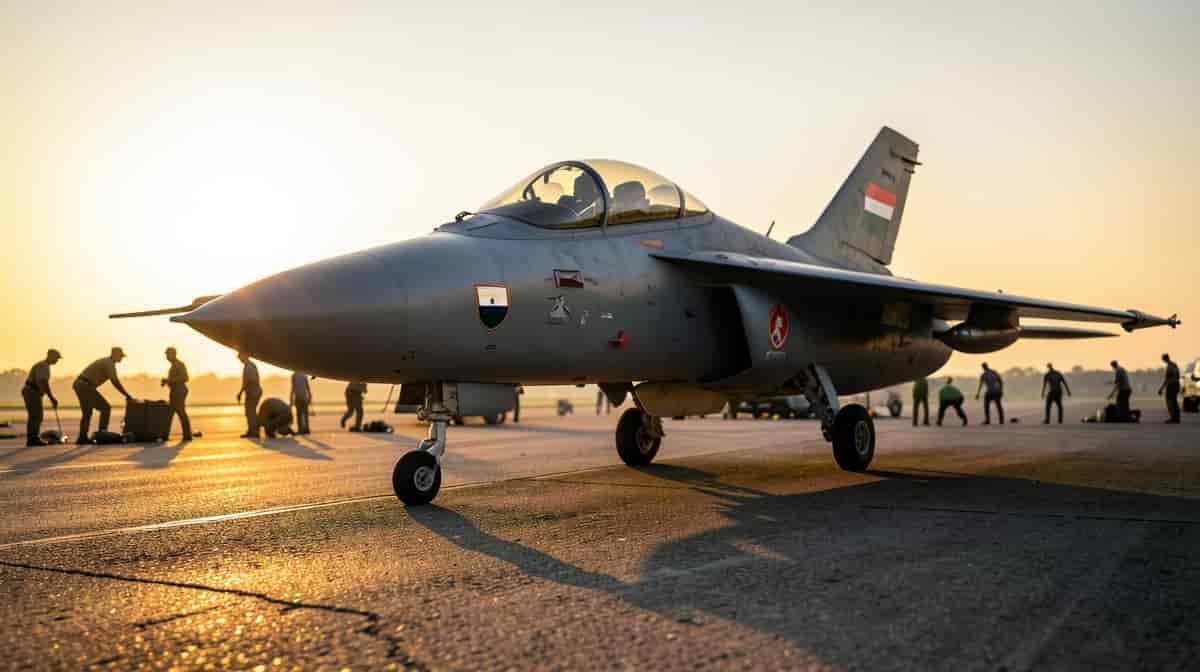
The skies over the Indian subcontinent are awaiting a shift in kinetic power that has been years in the making. The Indian Air Force expects the first Tejas Mk1A squadron by March 2027, overcoming previous manufacturing bottlenecks that have historically slowed the pace of indigenous modernization.
This revised timeline represents a critical juncture for India's domestic aerospace ambitions, balancing the urgent operational requirements of the frontline with the complex realities of a globalized defense supply chain. Following a period of uncertainty, state-run Hindustan Aeronautics Limited (HAL) has solidified its commitment to delivering the advanced fighter jets, providing a concrete target for national security planners.
The induction of the first Tejas Mk1A squadron by March 2027 represents a pivotal shift for HAL and the IAF, marking the transition from legacy production to a high-capability indigenous platform despite persistent global supply chain hurdles.
Revised Delivery Timeline for the Tejas Mk1A Squadron
The transition from development to operational fielding of the Tejas Mk1A has been a protracted journey, marked by both industrial milestones and frustrating setbacks. Hindustan Aeronautics Limited (HAL) has officially pledged to deliver a full squadron of the upgraded variant to the Indian Air Force by the end of the first quarter of 2027. This commitment follows the successful conclusion of the legacy Tejas Mk.1 production run, which saw the final two aircraft of that variant handed over to the IAF in late 2026.
As HAL shifts its entire production focus toward the newer Mk1A variant, the facility is under immense pressure to accelerate output. The move to the Mk1A is not merely an incremental update; it represents a significant leap in combat capability, featuring improved radar, electronic warfare suites, and beyond-visual-range missile integration. However, the path to March 2027 is paved with logistical challenges that HAL must navigate to ensure that the air force can begin replacing its aging fleets, such as the MiG-21, without further delays.
Transitioning from Legacy Production
The closing of the legacy Tejas Mk.1 chapter was a necessary precursor to the Mk1A rollout. By finalizing the delivery of the last standard units in September 2026, HAL cleared the assembly lines and redirected its specialized workforce toward the more complex requirements of the Mk1A. This internal pivot is intended to streamline the manufacturing process, yet the shadow of past delays continues to loom over the program.
Addressing GE Engine Delays in Military Aviation
The primary constraint preventing the immediate takeoff of the Mk1A program is located thousands of miles away from India's assembly lines. Persistent supply chain bottlenecks, specifically delays in General Electric (GE) engine deliveries, have severely constrained HAL in meeting its original production targets. These engines are the heart of the Tejas, and without them, completed airframes remain grounded, unable to fulfill their defensive roles.
The impact of these engine delays has been stark. Reporting from mid-2026 suggested that as many as 30 new fighters were effectively ready in airframe form but could not fly due to the absence of their propulsion systems. This bottleneck reflects a broader instability in the global aerospace supply chain, where high-demand components are subject to production lulls and geopolitical shifts.
Financial capital remains tied up in incomplete airframes sitting without crucial propulsion systems, threatening long-term budgetary allocations.
| Milestone | Timeline | Status |
|---|---|---|
| Delivery of final legacy Tejas Mk.1 units | September 2026 | Completed |
| Revised squadron delivery projection | November 2026 | Established |
| Target deadline for first Mk1A squadron | March 2027 | Projected |
Strategic and Political Implications
The repeated postponement of the Tejas Mk1A deliveries places intense domestic political pressure on the Indian government. The program is more than a defense contract; it is a cornerstone of the Atmanirbhar Bharat (Self-Reliant India) initiative. The government heavily champions indigenous manufacturing as a fundamental element of national sovereignty, and any delay in the Tejas program is often viewed through the lens of political credibility.
Beyond the domestic narrative, there is a pressing geopolitical dimension. As regional security dynamics in South Asia shift rapidly, gaps in the Indian Air Force's projected squadron strength force New Delhi to manage capability deficits vis-à-vis regional rivals. The delay in fielding the Mk1A squadron means that the IAF must rely on aging platforms longer than anticipated, creating a window where regional aerial parity could be challenged.
Economic Stakes and Export Viability
The economic fallout of the delivery delays extends to India's aspirations of becoming a global defense exporter. International prospective buyers are closely monitoring HAL's delivery reliability. If the state-run manufacturer cannot meet the internal demands of its primary customer, the Indian Air Force, its ability to secure and service foreign contracts may be compromised.
Furthermore, the financial strain of maintaining incomplete airframes is significant. Capital is locked into "tail-less" aircraft that provide no operational value while waiting for GE engines. This situation creates a ripple effect throughout the defense budget, potentially siphoning funds away from other modernization projects or future research and development for the Tejas Mk2 or the Advanced Medium Combat Aircraft (AMCA) programs.
The Hidden Challenges of Integration
While the engine supply issue is the most public bottleneck, analysts point to a "hidden angle" that may also be contributing to the timeline shifts. There are deep-seated integration challenges between upgraded indigenous avionics software and imported hardware components. Every new sensor or electronic warfare module must be meticulously validated before operational deployment.
- Integration of advanced Active Electronically Scanned Array (AESA) radar systems.
- Validation of indigenous software with international weapon hardpoints.
- Rigorous testing of electronic countermeasure suites in diverse environments.
This complexity draws a historical parallel to the protracted development of India’s Advanced Light Helicopter (ALH) Dhruv and the initial Tejas Mk1 program. Both projects suffered from technological hurdles and sanctions-related propulsion dependencies that stretched delivery schedules by years.
Future Outlook and Expert Predictions
In the immediate term, defense analysts and media will likely continue to discuss the implications of the revised March 2027 timeline. The next 72 hours may see stakeholders release further updates regarding engine supply chain timelines, specifically concerning General Electric’s ability to meet the surge in demand required by HAL.
Experts predict continued scrutiny over HAL’s production schedules. In the best-case scenario, HAL successfully manages supply chain challenges with GE, allowing the Indian Air Force to induct the first squadron by the target date without further setbacks. This would provide a much-needed boost to the IAF’s operational readiness and domestic manufacturing morale.
However, the worst-case scenario cannot be ignored: if persistent supply chain issues and engine delays continue to plague the program, the operational fielding could be pushed beyond 2027. Such a delay would further strain the IAF’s modernization efforts and force a re-evaluation of how India manages its complex defense technology supply chains with international partners like the United States.
Frequently Asked Questions
When does the Indian Air Force expect the first Tejas Mk1A squadron?
The Indian Air Force now expects to receive its first Tejas Mk1A fighter squadron by March 2027. This timeline follows previous schedule adjustments and ongoing supply chain challenges regarding engine deliveries.
Why has the delivery of the Tejas Mk1A squadron been delayed?
The delays are primarily driven by engine supply chain constraints, specifically involving General Electric (GE) engine deliveries. These hold-ups have impacted the overall timeline for fielding the advanced fighter jets to operational squadrons.
Who is responsible for manufacturing the Tejas Mk1A aircraft?
Hindustan Aeronautics Limited (HAL) is the state-run aerospace manufacturer tasked with producing and delivering the Tejas Mk1A jets to the Indian Air Force. HAL has pledged to meet the updated March 2027 squadron delivery target.
What are the implications of the Tejas Mk1A delivery delays for the Indian Air Force?
The delay means the Indian Air Force must wait longer to integrate the advanced capabilities of the Mk1A into active service, managing fleet requirements in the interim. Without the promised jets ready to fly immediately, the service faces temporary capability gaps in its modernization efforts.
What recent milestones have occurred regarding the Tejas program?
Amid the Mk1A timeline shifts, Hindustan Aeronautics Limited recently completed the delivery of the final two standard Tejas Mk.1 aircraft to the Indian Air Force. This transition highlights the ongoing shift in production focus toward the upgraded Mk1A variant.
What happens next as the Indian Air Force approaches the March 2027 target?
HAL will work to resolve component and engine bottlenecks to ensure the first full squadron of Tejas Mk1A jets can be handed over to the air force. Monitoring GE engine shipments will be critical to achieving this newly established deployment deadline.
Conclusion
The road to the first Tejas Mk1A squadron is a testament to the complexities of modern indigenous defense manufacturing. While the pledge from HAL to deliver by March 2027 provides a clear objective, the success of this mission remains tethered to the stability of the General Electric engine supply chain and the resolution of intricate avionics integration hurdles. The Indian Air Force stands ready to receive the upgraded platform, a move that is essential for maintaining regional air superiority and fulfilling the nation's vision of self-reliance. As production shifts focus and legacy programs conclude, the coming months will be a decisive period for India’s aerospace sector, determining whether the 2027 target is a firm reality or another milestone in a shifting landscape.
Sources
- THE MK1A MOMENT — Key Aero
- HAL pledges a Tejas Mk1A squadron to the Indian Air Force by March 2027 — Aviacionline
- Indian Air Force expects first Tejas Mk1A squadron by March 2027 after years of delays — Aerospace Global News
- HAL Delivers Last Two Tejas Mk.1s To Indian Air Force — Aviation Week
- General Electric (GE) Engine Delays Threaten Year End Fighter Delivery Target — Yahoo Finance
- Tejas Mk1A: 30 New Fighters India Cannot Fly — MiGFlug


