
Pete Hegseth Faces Swift GOP Backlash Following Election Defeats
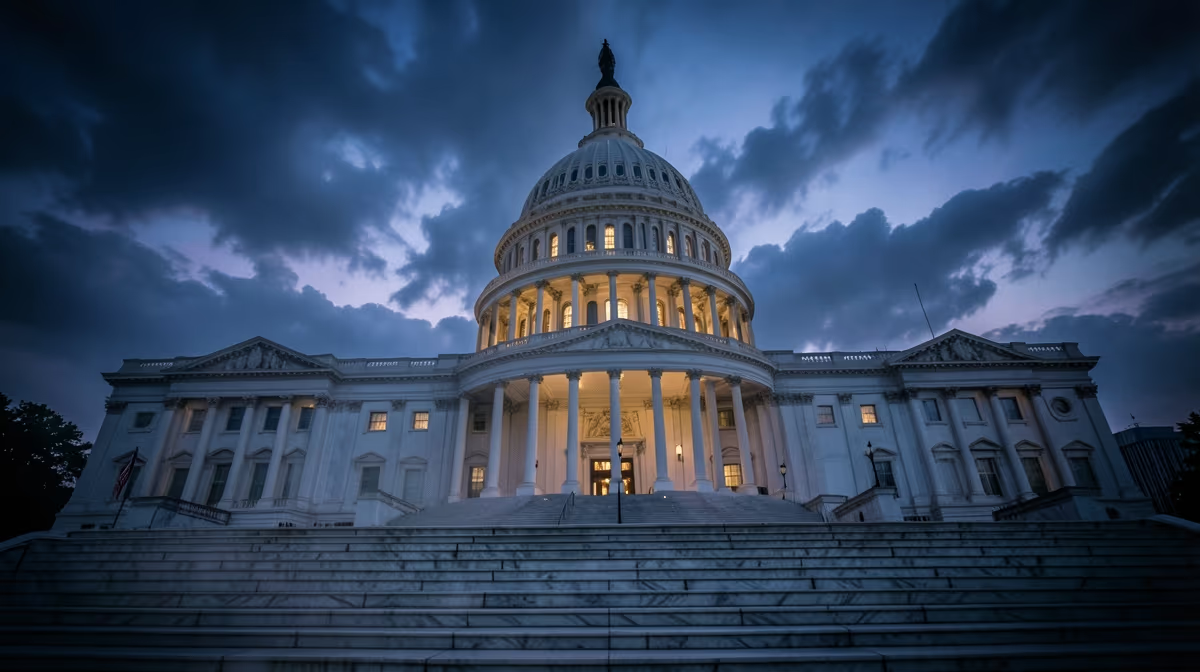
Electoral defeats often demand rapid political sacrifices, and the aftermath of the recent midterms is proving no exception. As Washington processes a sweeping wave of election night losses, the Pete Hegseth midterm fallout has swiftly transformed into a defining crisis for the administration's national security apparatus. Lawmakers across the Republican party are shifting focus toward the Defense Department, with mounting internal pressure threatening the standing of Defense Secretary Pete Hegseth.
The sudden turn against Pete Hegseth highlights how quickly cabinet stability can vanish following a major electoral defeat.
The Post-Election Fracture
The Republican party is grappling with severe internal friction following an electoral defeat characterized by political analysts as a "blue tsunami." In the immediate aftermath of the votes being counted, the consensus among many congressional Republicans shifted from post-election strategy to identifying leadership accountability. Rather than absorbing the losses as a collective legislative setback, key members of the party have quickly turned their scrutiny toward the Pentagon leadership.
Reports from major news outlets, including CNN, Reuters, NBC News, and The Guardian, confirm that party members are attributing a notable portion of voter dissatisfaction to the handling of key defense initiatives. As lawmakers assess the electoral damage, support for Hegseth within congressional ranks has eroded at a remarkable speed. Instead of unifying behind cabinet members, congressional Republicans seeking distance from a bruising election night are increasingly pointing to controversial policy execution at the Defense Department as a contributing factor to the midterms rout.
Root Causes and Historical Parallels
The sudden shift against Hegseth is rooted in a combination of controversial policy decisions and ongoing high-stakes military operations. Analysts highlight that the primary catalyst for the backlash is the electoral outcome itself, which forced party strategists to look for visible figureheads to bear the brunt of voter frustration. Hegseth emerged as a primary target due to ongoing friction over defense priorities and the high-profile nature of active engagements, including the Iran war.
This political dynamic mirrors previous mid-term realignments in American political history. A clear historical parallel exists in the 2006 midterm elections, where heavy Republican losses tied directly to public dissatisfaction over the Iraq War forced sweeping changes in defense leadership under President George W. Bush. Just as in 2006, the current post-midterm landscape demonstrates how voter pushback during midterms can abruptly alter the trajectory of cabinet officials presiding over major international conflict strategies.
Behind the immediate political fault lines lies a broader effort within GOP factions to reshape national security leadership. Beyond simply taking the fall for electoral losses, the pressure on Hegseth appears to be accelerated by internal party maneuvering designed to gain leverage over executive policy directives ahead of upcoming legislative battles.
Public Statements versus Internal Realities
The dynamic surrounding the Defense Secretary is further complicated by contrasting signals emerging from the executive branch and Capitol Hill. Publicly, President Donald Trump has offered defense of his cabinet official, stating that Hegseth is doing "a very good job" despite the intense media scrutiny and congressional pushback.
President Trump publicly stated that Hegseth is doing "a very good job" despite ongoing reports of internal replacement discussions.
However, verified reporting from NBC News and other outlets indicates that behind closed doors, the White House has actively discussed potential replacements for the Defense Secretary post. Sources suggest that administration officials are carefully weighing the political costs of maintaining current cabinet personnel against the rising demands for accountability from party leaders in Congress.
As part of these discussions, alternative political paths have surfaced. Reports, including coverage by WSMV, indicate that discussions have touched on potential transition scenarios, such as whether Hegseth could be considered to fill Marsha Blackburn’s Senate seat in Tennessee. President Trump has publicly addressed these speculative scenarios as the White House evaluates its options to navigate the growing political divide.
Economic and Geopolitical Implications
The post-midterm turmoil surrounding Pentagon leadership extends well beyond internal Washington politics, carrying direct economic and national security consequences.
- Executive defense spending priorities face heightened uncertainty as legislative oversight sharpens following the midterm shift.
- Defense contractors and broad financial markets are assessing potential volatility regarding current defense policy initiatives and long-term procurement budgets.
- Market sentiment regarding ongoing military conflicts remains sensitive to leadership transitions at the top of the Department of Defense.
On the geopolitical stage, structural instability within U.S. defense leadership presents strategic considerations for foreign adversaries. Analyst assessments indicate that domestic political vulnerability and potential executive turnover at the Pentagon signal potential shifts in governance, potentially altering how foreign governments evaluate U.S. commitments in active conflicts such as the ongoing war with Iran.
Chronology of the Midterm Backlash
The escalation of political friction surrounding the Defense Department developed rapidly across a concise timeline following the conclusion of voting.
| Date | Political Event / Milestone |
|---|---|
| Nov 4, 2026 | Midterm elections result in a significant rout for Republicans, triggering immediate political scrutiny across the administration. |
| Nov 4-5, 2026 | Public friction emerges as congressional Republicans turn against Pete Hegseth, contrasting with public White House defense and internal replacement talks. |
| Present | Speculation intensifies regarding whether Hegseth will remain as Defense Secretary, be replaced, or transition into alternative political roles. |
Future Scenarios and Executive Outlook
Looking at the immediate horizon, news monitoring and political analysis suggest that discussions surrounding Hegseth's future will intensify over the next 24 hours. Continued media reports and potential executive statements are expected to clarify whether the administration will maintain its current public stance or move toward structural changes.
Over the next 72 hours, political pressure from congressional Republicans could force formal announcements or strategic political maneuvering concerning potential replacements. Expert predictions suggest the White House will spend this critical window weighing the political fallout of cabinet loyalty against the imperative of stabilizing relations with Congress.
In a best-case scenario for the executive branch, the administration navigates the post-midterm realignment smoothly, addressing internal party friction without causing operational disruptions to national defense governance. Conversely, a worst-case scenario involves deepening divisions between congressional Republicans and the White House over accountability, leading to prolonged political instability, public infighting, and disrupted legislative agendas.
Frequently Asked Questions
Why are Republicans turning against Pete Hegseth?
Republicans quickly turned against Pete Hegseth following a significant midterms rout, with many pointing fingers at him for the party's legislative and electoral losses. Despite initial backing, lawmakers are increasingly distancing themselves as political fallout intensifies.
What does the midterm outcome mean for Pete Hegseth's future?
The recent midterm elections, often described as a blue wave or tsunami, have cast serious doubt on Hegseth's political standing. Sources indicate that Trump is already discussing possible replacements, even as he publicly maintains that Hegseth is doing a very good job.
Is Donald Trump still supporting Pete Hegseth?
President Trump has publicly stated that Hegseth is doing 'a very good job' amidst swirling questions about his future in the administration. However, behind-the-scenes discussions suggest the administration is actively exploring potential successors to take the fall for the losses.
Who is affected by the backlash against Pete Hegseth?
The political fallout directly impacts Pete Hegseth's cabinet position, as well as the broader Republican party strategy moving forward. Lawmakers navigating the aftermath of the midterms are heavily focused on realignments to salvage their legislative agendas.
What happens next for Pete Hegseth?
As pressure mounts from within the party following the midterm defeats, speculation continues to grow regarding whether Hegseth will remain in his current role or be replaced. Observers are closely watching upcoming political maneuvers from the White House to see if a transition will occur.
Could Pete Hegseth move to a Senate seat instead?
Amidst questions about his cabinet future, discussions have also touched on alternative political paths, such as potentially filling Marsha Blackburn’s Senate seat in Tennessee. President Trump has addressed these speculative scenarios as the administration weighs its next moves.
Conclusion
The midterm election rout has created an immediate political crisis for Defense Secretary Pete Hegseth, as congressional Republicans seek accountability for major ballot box losses. While President Trump continues to publicly support Hegseth's performance, verified reports of internal replacement discussions highlight the significant uncertainty surrounding his position. The coming days will determine whether the administration maintains its defense leadership or executes a major cabinet shakeup to realign with party strategy.
Sources
- Republicans quickly turn against Pete Hegseth after midterms rout — CNN
- What the Blue Tsunami Means for the Iran War—and for Pete Hegseth — Slate Magazine
- Trump says Hegseth doing 'a very good job' as questions swirl about his future — Reuters
- Trump discussing possible Hegseth replacements, sources say — NBC News
- Pete Hegseth may take fall for Republicans’ midterm losses, despite Trump support — The Guardian
- Could Defense Secretary Pete Hegseth fill Marsha Blackburn’s Senate seat in Tennessee? Here’s what President Trump said — WSMV


