
Russia Retaliation Hits Ukraine Following Crimea Bridge Attack Strike
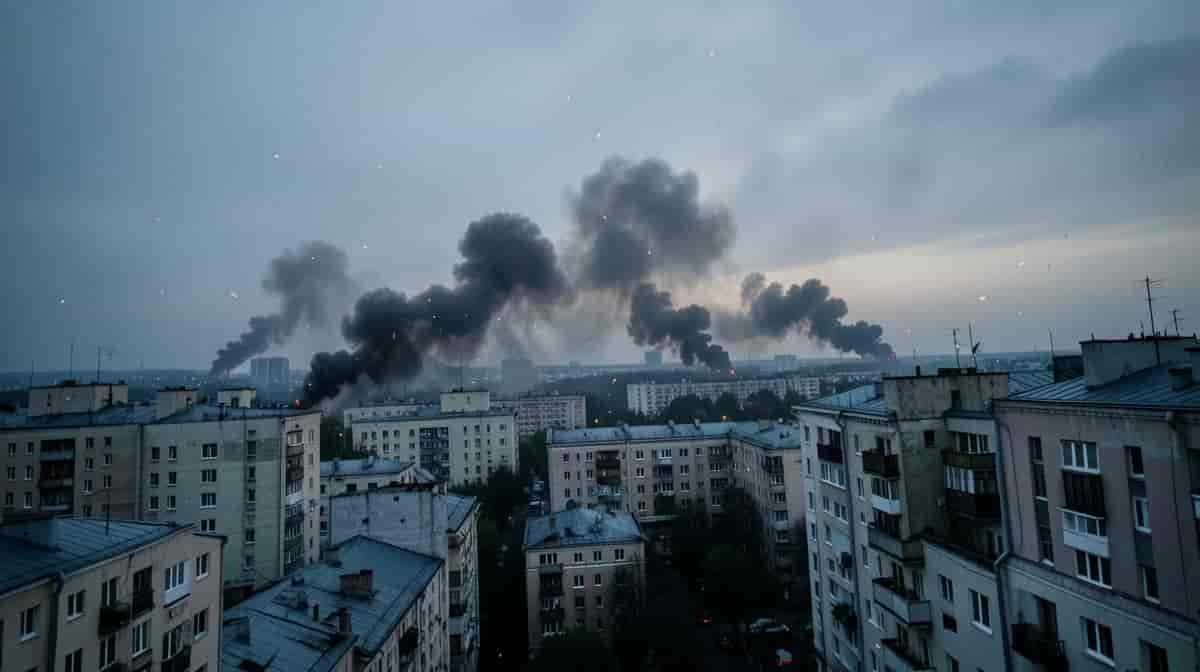
The structural integrity of the Ukrainian capital's transit network has been violently compromised by a calculated surge in long-range kinetic force. Russia retaliates after Crimea bridge attacks with a devastating wave of missile strikes across Ukraine, resulting in at least eight deaths and widespread infrastructure damage that signals a significant expansion of target selection within the capital.
A massive Russian aerial assault has struck three critical bridges in Kyiv, claiming at least eight lives in a direct retaliation for recent operations targeting the strategic Crimea bridge.
Strategic Retaliation on Kyiv’s Infrastructure
The morning of November 20, 2026, marked a severe shift in the conflict's intensity as a coordinated barrage of Russian missiles focused on the heart of Ukraine’s logistical network. During this major Russian missile attack, three primary bridges in Kyiv were directly hit, causing catastrophic damage to the capital’s transportation arteries. This aerial assault was not a random bombardment but a targeted operation aimed at disrupting the urban mobility of the city and signaling a renewed willingness to strike high-value civilian-use infrastructure.
According to reports from the BBC and The Kyiv Independent, the bombardment was characterized by its precision and scale. Emergency services were immediately deployed to the sites of the bridge strikes, where the wreckage of vehicles and severed structural beams underscored the violence of the impact. The timing of the strikes, following closely after asymmetric operations against the Crimea bridge, indicates a policy of rapid and heavy counter-offensive maneuvers designed to hit key transport arteries in the Ukrainian heartland.
Casualties and the Human Cost of Urban Strikes
The human toll of this latest escalation has been confirmed by regional authorities and international news agencies. At least eight people were killed during the massive Russian aerial assault on Ukraine. The fatalities occurred in various locations across the capital and surrounding regions, as missiles struck near transport hubs and civic centers. Beyond the confirmed deaths, the strikes have resulted in widespread destruction, leaving local populations in a state of heightened alert.
Search and rescue operations have become the immediate priority for Kyiv regional authorities. Regional emergency services are currently navigating the debris of the three bridges to identify survivors and recover those lost in the initial impact. The targeting of urban infrastructure during peak periods ensures that the impact on public safety is maximized, creating a scenario where ordinary citizens in Kyiv are once again at the forefront of the kinetic conflict.
Retaliatory Dynamics: The Crimea Bridge Catalyst
The root cause of this massive escalation is widely viewed as a direct response to strategic attacks on the Crimea bridge. Historically, the Crimea bridge has served as a focal point of tension and a vital supply line for Russian forces. When that infrastructure was targeted, it prompted a massive Russian aerial assault targeting critical infrastructure in Kyiv as a form of symmetric messaging.
Analytic assessments suggest that there is significant domestic political pressure in Moscow to demonstrate strength through massive aerial retaliation. This cycle of strategic bombing campaigns following high-profile asymmetric attacks on logistics hubs is reminiscent of historical precedents in prolonged attrition warfare. In this context, the bridges of Kyiv have become more than just transit points; they are now symbols in a broader struggle over regional dominance and infrastructure control.
| Conflict Phase | Strategic Development |
|---|---|
| Phase 1 | Attacks occur targeting the Crimea bridge infrastructure. |
| Phase 2 | Russia launches massive aerial assault striking multiple Kyiv bridges. |
| Phase 3 | International discussions emerge regarding NATO-like security guarantees. |
Diplomatic Maneuvering and Security Frameworks
While the military escalation continues on the ground, a parallel track of intense diplomatic signaling is unfolding. Recent reports have highlighted discussions regarding potential NATO-like security guarantees for Ukraine. Notably, figures such as Jared Kushner have indicated that Russia might be "comfortable" with the idea of these security frameworks, according to coverage by CNBC and Al Jazeera.
This diplomatic dimension adds a layer of complexity to the recent missile strikes. The U.S. has also floated the idea of NATO membership for Ukraine in recent meetings, a move that would fundamentally alter the security architecture of Eastern Europe. The convergence of these high-level discussions with intense battlefield activity suggests that both sides may be seeking maximum leverage through military escalation before any formal negotiations or security pacts can be finalized.
The Role of International Mediators
International diplomats are closely monitoring the fallout from the Kyiv bridge strikes to determine if the escalation will derail or accelerate the discussions regarding security guarantees. The involvement of various global actors suggests that the conflict has reached a point where localized military actions, such as the destruction of bridges, are being weighed against long-term geopolitical alignments.
- International leaders are expected to condemn the infrastructure strikes.
- Discussions regarding NATO-membership paths remain active in U.S. diplomatic circles.
- Backchannel communications may be accelerating to address the risks of further infrastructure targeting.
Economic Impact and Infrastructure Disruption
The direct economic toll on Ukraine’s infrastructure is substantial. By targeting and disrupting key transportation networks and bridges in the capital, the Russian military has hampered the movement of goods, services, and military logistics. The loss of these three bridges in Kyiv creates immediate bottlenecks in the capital’s economy, forcing a reassessment of urban transport routes and emergency logistics.
Beyond the physical destruction, the targeting of critical infrastructure serves to demoralize populations and increase the cost of the war effort for the Ukrainian state. This strategic focus on transportation hubs is intended to undermine the economic resilience of the capital while the broader conflict continues to fluctuate along various fronts.
Analytical Perspective: A Shifting Landscape
Expert analysts expect a continued cycle of retaliatory strikes and counter-strikes following the Crimea bridge attacks. The "hidden angle" of the current situation suggests that the intense bombardment of Kyiv may be a calculated move to secure a stronger position on the battlefield before formal security frameworks are established.
Analysts would likely expect a continued cycle of retaliatory strikes and counter-strikes following the Crimea bridge attacks, accompanied by heightened diplomatic maneuvers regarding security guarantees.
This positioning suggests that neither side is currently willing to de-escalate until their strategic objectives regarding infrastructure and national security are met. The domestic pressure within Russia to maintain a posture of strength remains a driving force behind the intensity of the aerial assaults.
Future Outlook and Immediate Forecast
The next 24 to 72 hours will be critical for both the humanitarian response and the diplomatic landscape. Emergency services and regional authorities will continue search and rescue operations to assess the full extent of the infrastructural damage to the Kyiv bridges. At the same time, the death toll may be subject to change as more information emerges from the strike zones.
- Next 24 Hours: Continuous search and rescue operations in Kyiv; assessment of bridge structural integrity.
- Next 72 Hours: Heightened diplomatic activity regarding NATO-like security frameworks and potential security guarantees.
- Long-term: Potential for intensified aerial assaults targeting civic infrastructure if diplomatic channels fail to provide a de-escalation path.
The best-case scenario involves emergency responses successfully mitigating further casualties and diplomatic channels gaining traction to prevent further targeting of civilian infrastructure. Conversely, the worst-case scenario would see a continuation of large-scale aerial assaults, worsening the civilian casualty count and hardening military postures on both sides. The current security frameworks are under extreme stress as the conflict enters this new, more volatile phase.
Frequently Asked Questions
What happened during the recent Russian aerial assault in Ukraine?
Russia launched a massive aerial assault on Ukraine resulting in at least eight deaths. The attacks specifically targeted three bridges in the capital city of Kyiv.
Why did Russia launch these recent missile attacks against Ukraine?
The recent missile strikes by Russia served as a retaliatory action following attacks on the Crimea bridge. This escalation marks another severe phase in the ongoing conflict.
Who has been affected by the latest bridge strikes and missile attacks?
Civilians and infrastructure in Ukraine, particularly in Kyiv where multiple bridges were hit, bore the brunt of the assault. At least eight individuals lost their lives in these coordinated strikes.
What is the background behind the Crimea bridge attacks and subsequent escalation?
The strikes follow previous incidents involving the strategic Crimea bridge, which has been a focal point of tension. Russia's response underscores its strategy to target critical Ukrainian transportation and logistics networks.
What specific infrastructure was damaged during the massive Russian assault?
During the extensive aerial bombardment, three major bridges located in Kyiv were directly hit. This caused significant disruption and damage to vital urban transport links.
What happens next regarding security guarantees and potential diplomatic talks for Ukraine?
Discussions are ongoing regarding potential security arrangements, with reports noting that figures like Kushner suggest Russia might be comfortable with NATO-like security guarantees. Meanwhile, the U.S. has also floated the idea of NATO membership for Ukraine in recent meetings.
Conclusion
The strikes on the three bridges in Kyiv represent a significant escalation in the ongoing war, directly linking the security of the Crimea bridge to the infrastructure of the Ukrainian capital. With at least eight dead and critical transport links severed, the immediate focus remains on humanitarian recovery and assessing the damage. Simultaneously, the diplomatic community is navigating complex discussions regarding NATO-like security guarantees and potential membership for Ukraine, suggesting that the conflict is moving toward a pivotal moment where military action and high-level diplomacy are inextricably linked. The coming days will determine if this retaliatory cycle continues or if the floating of new security frameworks can provide a path toward de-escalation.
Sources
- Ukraine: Three Kyiv bridges hit during major Russian missile attack — BBC
- 3 Kyiv bridges struck in massive Russian aerial assault on Ukraine, at least 8 dead — The Kyiv Independent
- Eight killed in Ukraine as Russia hits back after Crimea bridge attacks — Reuters
- Kushner says Russia 'comfortable' with idea of NATO-like security guarantees for Ukraine — CNBC
- U.S. Has Floated NATO Membership for Ukraine in Recent Meetings — WSJ
- Kushner says Russia OK with ‘NATO-like’ security pact for Ukraine: Is it? — Al Jazeera


