
UK Defense Secretary Kharkiv Visit Signals a Major Shift in Support
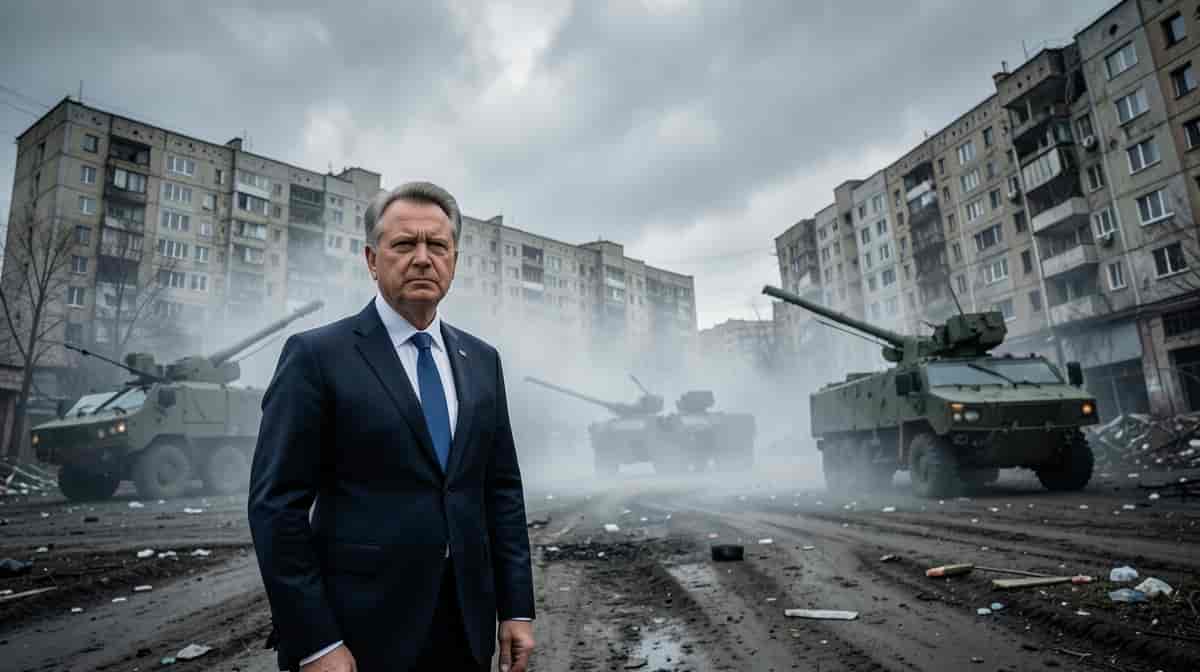
The air over Kharkiv remains a contested canvas of thermal signatures and ballistic trajectories, but the latest high-level arrival from London signals a calculated shift in tactical response. During a high-profile visit to the frontline, the UK defense secretary Kharkiv trip revealed a major new military package aimed at hardening the city’s skies against relentless aerial bombardment. This visit, the first of its kind to this specific frontline sector by the UK’s defense chief, marks a definitive moment in the bilateral security architecture between London and Kyiv, occurring against a backdrop of shifting European defense readiness.
The provision of additional RapidRanger launchers marks a significant acceleration in the UK’s tactical air-defense support, specifically targeting the protection of Kharkiv’s vulnerable frontline infrastructure.
Strategic significance of the UK defense secretary Kharkiv visit
The decision to travel directly to Kharkiv, a city that has remained under the shadow of Russian artillery and drone strikes since the earliest days of the conflict, carries immense weight. By standing on the frontline, the UK’s defense chief performed more than a diplomatic courtesy; the visit allowed for a direct, ground-level assessment of the security situation. This firsthand inspection is designed to coordinate immediate electronic warfare strategies and bolster critical infrastructure resilience, moving beyond the standard bureaucratic oversight of military aid.
During the visit, the defense secretary met with local officials and military personnel to gauge the efficacy of current defensive lines. The discussions were not limited to hardware but extended into the logistical realities of maintaining a high-tempo defense in an environment characterized by constant regional aerial threats. This engagement reinforces domestic political resolve in Britain, signaling a robust and unyielding commitment to Kyiv at a time when other European capitals are increasingly characterized by more cautious diplomatic stances.
Addressing the Russian threat
In a pointed interview during the tour, the defense secretary characterized the actions of Vladimir Putin as "nauseating," a choice of language that highlights the deepening ideological and military chasm between London and Moscow. This rhetoric serves to solidify the UK’s position as a primary leader in the European security framework, positioning the nation as a strategic counter-weight to persistent Russian aggression and potential diplomatic fatigue within the broader continent.
How RapidRanger launchers will bolster Ukraine defense capabilities
Central to the announcements made in Kharkiv was the pledge of additional RapidRanger mobile air defense launchers. These systems are specifically engineered for short-range engagements, providing a highly mobile platform capable of intercepting a variety of aerial targets, including drones, cruise missiles, and low-flying aircraft.
- High mobility: The RapidRanger system can be rapidly deployed to shifting frontline positions.
- Targeted defense: It is optimized for protecting critical infrastructure and civilian population centers.
- Interoperability: The launchers are designed to integrate into Ukraine's existing air defense network.
- Responsive strike capability: The system allows for quick acquisition and engagement of incoming threats.
The integration of these launchers into the Kharkiv sector is a direct response to the urgent need for bolstered air defense against intensifying aerial bombardment. By providing these assets, the UK aims to save lives and maintain the integrity of defensive lines that have been under sustained pressure.
Economic and manufacturing implications
The continuous delivery of such advanced military aid packages represents a substantial ongoing expenditure in defense procurement. For the UK, this commitment exerts significant pressure on manufacturing supply chains. As assets are transferred to the frontline in Ukraine, British defense contractors face the dual challenge of fulfilling these urgent requirements while simultaneously working to replace the transferred assets within the UK’s own national inventory.
A shifting landscape of British military readiness
Parallel to the events unfolding in Kharkiv, the Ministry of Defence (MoD) has taken unprecedented steps within the United Kingdom to prepare for a broader security contingency. For the first time since the Cold War, thousands of army reservists and veterans have been sent formal letters regarding the possibility of mobilization.
| Development | Strategic Impact |
|---|---|
| RapidRanger Deployment | Enhanced mobile air defense for frontline cities like Kharkiv |
| Veteran Readiness Letters | Domestic mobilization signaling for potential contingencies |
| SpaceX/Starshield Inquiry | Addressing technological dependencies and communication resilience |
| High-Level Frontline Visit | Diplomatic reinforcement and direct military assessment |
These letters signify a profound shift in the UK’s defensive posture. The MoD’s decision to contact veterans and reservists underscores a growing recognition of the volatile regional security environment. While not a direct call to active duty, the readiness notices serve as a strategic signal of British resolve and a necessary administrative step to ensure that the nation’s military apparatus is prepared for any escalation in the Eastern European theater.
Technological dependencies and the Starshield disruption
A more complex and "hidden" layer of the defense secretary’s mission involves the ongoing troubleshooting of critical communications technology. Britain has recently demanded answers from SpaceX following disruptions to the Starshield satellite system, which is a militarized version of the Starlink network. These disruptions have undermined trust across Europe, as the technology is vital for secure communications on the frontline.
The disruption of satellite-based communication systems like Starshield presents a critical vulnerability that undermines tactical coordination across the European security architecture.
The visit to Kharkiv likely served as a platform for behind-the-scenes discussions on electronic warfare and how to mitigate the impact of such technological failures. Ensuring the reliability of these systems is paramount, as the integration of new hardware like the RapidRanger launchers relies heavily on stable, secure data links for target acquisition and battlefield management.
The Analyst View: Root causes and geopolitical angles
Defense analysts suggest that the root cause of this intensified UK engagement is the urgent necessity to counter the shifting tactics of Russian aerial warfare. As the conflict persists, the reliance on high-volume drone and missile strikes has placed an immense burden on Ukraine’s air defense stocks.
- UK Defense Secretary conducts unprecedented high-level visit to frontline Kharkiv.
- MoD formally announces the provision of additional RapidRanger air defense launchers to Ukraine.
- Simultaneous strategic discussions address broader European technological and defense dependencies.
From a geopolitical perspective, the UK’s actions are viewed as a leadership play within the North Atlantic alliance. By providing advanced technology and maintaining a high-visibility presence on the frontline, London is asserting its role as a primary security guarantor in Europe. This direct military coordination with Ukraine acts as a deterrent and a signal to both allies and adversaries that the UK's commitment is not subject to the same "diplomatic fatigue" observed in other regions.
Historical Parallels
Historians and analysts have drawn comparisons between these frontline visits and the wartime actions of Winston Churchill. Much like Churchill’s visits to boost allied morale and inspect tactical deployments firsthand, the defense secretary’s presence in Kharkiv is intended to provide a psychological boost to Ukrainian defenders while demonstrating a "hands-on" approach to military assistance.
What Comes Next: Predictor and Future Outlook
The next 24 to 72 hours are expected to see a surge in diplomatic and military discussions regarding the logistical deployment of the RapidRanger launchers. Integrating these systems into the active Kharkiv defense network will require rapid training and coordination between UK military advisors and Ukrainian personnel.
Short-term expectations
In the immediate term, analysts expect a flurry of international media coverage focused on the UK's military support, which may prompt further responses from European allies regarding their own aid contributions. There will also be a heightened focus on the MoD’s mobilization letters, as the public and political sectors in the UK digest the implications of this Cold War-era readiness protocol.
Potential scenarios
In the best-case scenario, the delivery and integration of the RapidRanger launchers proceed without delay, significantly improving Ukraine’s tactical defense capabilities and neutralizing a higher percentage of incoming aerial threats. This would effectively stabilize the Kharkiv frontline and protect essential civilian services.
However, the worst-case scenario involves ongoing logistical challenges or continued technological disruptions. If satellite communication issues, such as those seen with Starshield, are not resolved, the effectiveness of the new air defense systems could be compromised. Integrating complex technology under the pressure of active combat remains a high-risk endeavor that requires flawless execution.
Frequently Asked Questions
What did the UK defence secretary announce during his visit to Kharkiv?
During his frontline visit to Kharkiv, the UK defence secretary announced the provision of additional RapidRanger launchers for Ukraine. This military aid package is designed to bolster Ukraine's air defense capabilities against ongoing threats.
Why is the UK's delivery of RapidRanger launchers important for Ukraine?
The RapidRanger launchers provide critical mobile air defense support, helping Ukrainian forces counter aerial threats more effectively on the frontline. Such military contributions from allies like the UK remain vital for sustaining Ukraine's defensive operations.
Who is affected by the UK defence secretary's announcements and recent MoD actions?
Ukrainian military personnel and civilians in frontline regions like Kharkiv directly benefit from the enhanced air defense equipment. Additionally, UK military veterans and reservists are impacted as the Ministry of Defence issues readiness letters for potential mobilization.
What happens next following the UK defence secretary's frontline visit?
The newly announced RapidRanger launchers are expected to be integrated into Ukraine's active air defense networks to protect key areas. Meanwhile, diplomatic and military coordination between the UK and Ukraine will likely continue as London monitors regional security developments.
What specific air defense equipment is being sent to Ukraine by the UK?
The UK is supplying additional RapidRanger mobile air defense launchers to help intercept incoming aerial targets. This specific platform enhances the mobility and responsiveness of Ukrainian short-range air defense units.
Conclusion
The visit of the UK defense secretary to the Kharkiv frontline represents a significant deepening of the military partnership between the two nations. By pledging additional RapidRanger launchers, London is providing a tangible solution to the urgent problem of aerial bombardment, while the broader context of veteran readiness letters indicates a shift in domestic security posture. As the newly announced equipment moves toward integration, the focus will remain on the logistical success of these deliveries and the resolution of technological disruptions that threaten frontline communications. These verified developments underscore a period of heightened military and diplomatic activity, defining the UK's role as a proactive leader in the evolving European security landscape.
Sources
- UK writes to veterans to ready them for possibility of mobilisation — Sky News
- Thousands of army reservists sent letters by MoD for first time since Cold War — The Independent
- UK Defense Chief Makes First Visit to Frontline Kharkiv, Pledges RapidRanger Launchers — UNITED24 Media
- Interview: UK Defense Secretary on 'nauseating' Putin — The Kyiv Independent
- Britain Demands Answers From SpaceX as Ukraine’s Starshield Disruptions Undermine Trust Across Europe — Kyiv Post
- UK defence secretary visits Kharkiv, announces additional RapidRanger launchers for Ukraine — Ukrinform


