
US Army Explosives Detonation In Iowa Sparks Sudden Local Alarm
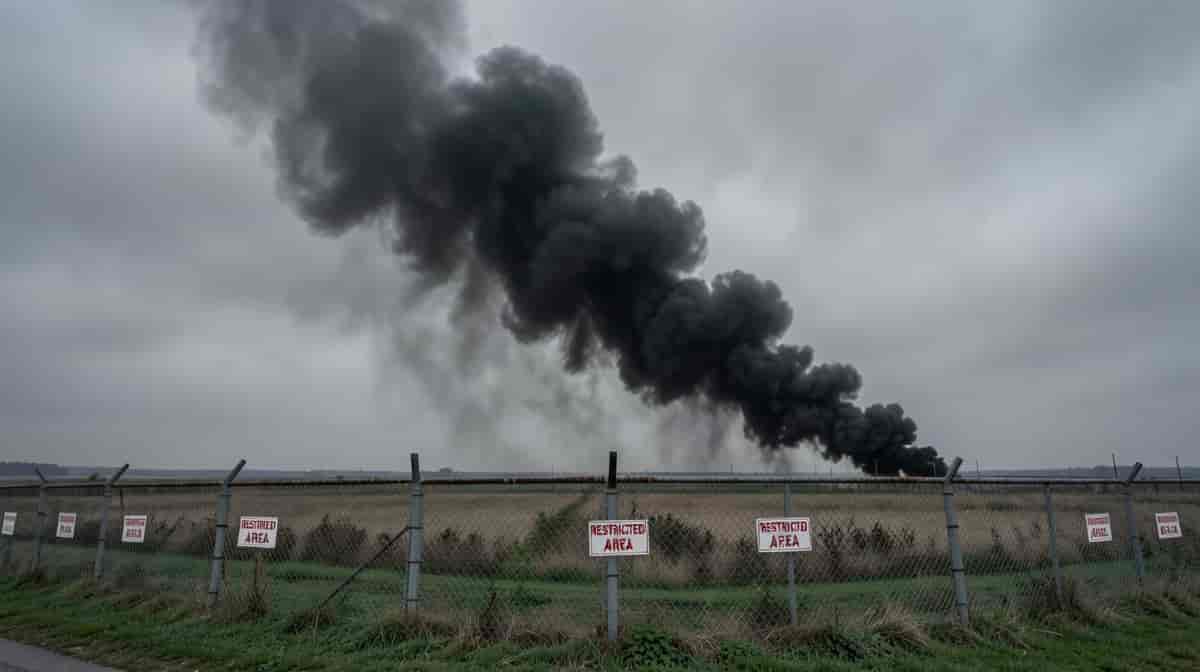
Nearly five tons of lead-based explosives were transformed into a controlled pressure wave across the Iowa landscape, marking a critical moment in the military's ongoing struggle with aging chemical stockpiles. The scale of the Army explosives detonation Iowa witnessed has forced a spotlight onto the delicate intersection of national defense logistics and regional environmental safety.
This operation, centered on the disposal of a massive lead azide stockpile, represents a high-stakes effort to neutralize volatile materials that have reached the end of their functional life cycles. While the blast itself was a logistical success, it has initiated a period of intense monitoring by federal and state agencies to ensure that the heavy-metal fallout does not compromise the local ecosystem.
The detonation of nearly five tons of lead azide in Iowa required immediate and rigorous environmental monitoring by the EPA, which currently reports no detectable rise in regional contamination.
The Mechanics of the Iowa Detonation
The U.S. Army’s decision to execute a controlled destruction of this magnitude was driven by the inherent instability of the specific material involved. Lead azide is a primary explosive, a chemical compound highly sensitive to friction, heat, and physical impact, making it a critical component in military primers and detonators. However, as these stockpiles age, they become increasingly hazardous to store at domestic military installations.
The operation involved nearly five tons of this material. Due to the volatile nature of lead-based explosives, the military opted for a large-scale detonation as the safest path to permanent disposal. This method, while effective at eliminating the explosive risk, necessitates a complex coordination between military logistics personnel and environmental oversight bodies to manage the resulting debris and chemical deposition.
Understanding Lead Azide Sensitivity
Lead azide serves as a foundational element in munitions, yet its sensitivity is its most dangerous characteristic. When stored in bulk over long periods, the risk of accidental initiation increases, potentially leading to catastrophic consequences for storage facilities and surrounding civilian populations. The Iowa operation was designed to preemptively address these risks by neutralizing the stockpile under strictly controlled conditions.
Environmental Benchmarks and EPA Oversight
Following the massive blast, the Environmental Protection Agency (EPA) and regional authorities immediately moved into an assessment phase. The primary concern with lead-based explosives is the potential for heavy metals to leach into the soil or enter the atmosphere, posing long-term risks to public health and local water supplies.
The EPA has since stated that there was no rise in environmental contamination following the detonation of the lead azide stockpile. This assessment was based on a variety of monitoring tools, including deposition maps that tracked the movement of particulates in the hours following the event. These maps allowed scientists to visualize where the chemical remnants of the blast were most likely to settle, providing a data-driven foundation for safety declarations.
The Environmental Protection Agency confirmed that there was no noticeable rise in dangerous environmental contamination as a result of the detonation.
The success of these safety protocols is a critical metric for the Army, as it demonstrates the ability to manage hazardous waste disposal without triggering widespread environmental fallout. Monitoring agencies continue to evaluate air quality data to reassure nearby residents that the operation did not breach safety thresholds.
Logistical and Fiscal Dimensions of Munitions Disposal
The management of aging ordnance is not merely a safety issue but a significant economic and logistical challenge for the US defense infrastructure. The Iowa detonation highlights the ongoing fiscal costs associated with the safe disposal, remediation, and management of hazardous military waste.
- Aged Ordnance Management: Military facilities must navigate the expiration of ordnance life cycles, which requires specialized facilities and expert personnel to manage.
- Regulatory Compliance: Operations must adhere to strict EPA guidelines to avoid localized contamination and legal repercussions.
- Logistical Bottlenecks: The sheer volume of unstable munitions waiting for decommissioning can create bottlenecks at domestic installations, necessitating large-scale events like the one in Iowa.
These disposal operations reflect a broader national defense challenge: maintaining a modern arsenal while simultaneously decommissioning the chemical legacy of previous decades. The costs of oversight and long-term soil and air monitoring add a significant layer to the defense budget, specifically within the realm of environmental remediation.
Strategic and Geopolitical Implications
On a broader scale, the management of hazardous military materials within sovereign borders is a matter of both public trust and domestic defense policy. The geopolitical angle of this event rests in how a nation manages its internal defense infrastructure and the transparency it provides to its citizens.
The Iowa operation mirrors historical parallels from the post-Cold War era, specifically the disposal of legacy chemical and explosive munitions during base realignments. In those instances, as now, the primary challenge was maintaining environmental compliance while ensuring the safety of civilian populations living in proximity to military sites.
Furthermore, the transparency of the Army and the EPA regarding deposition maps and contamination levels is essential for maintaining public trust. Any perceived failure in communication or safety protocols could lead to heightened regulatory investigations and community concern, potentially complicating future disposal efforts at other installations across the country.
The Analytical View on Future Operations
Industry analysts suggest that the Iowa detonation may serve as a benchmark for how future large-scale disposals are handled. The root cause of this event—the accumulation of unstable, lead-based explosives—is a persistent issue across various military branches.
Potential Constraints
The military faces ongoing safety constraints when attempting to decommission increasingly aging explosive inventories. If localized contamination were to occur, it could trigger widespread public concern, making it more difficult for the Army to secure the necessary permits for future controlled blasts. This creates a delicate balancing act between the urgent need to destroy unstable materials and the strict requirements of environmental protection.
Historical Parallels
The current situation is often compared to the disposal of legacy munitions in the 1990s. The lessons learned from those operations have informed the current use of deposition maps and real-time air quality monitoring. However, the scale of nearly five tons of lead-based material in a single event remains a significant undertaking that requires constant refinement of safety standards.
Monitoring the Horizon: The Next 72 Hours
As the immediate dust from the Iowa blast settles, the focus shifts to long-term monitoring and data verification. The next phase of this operation involves a deep dive into the soil and air quality metrics gathered during and after the detonation.
| Timeframe | Expected Action |
|---|---|
| Next 24 Hours | Reviewing deposition maps and contamination levels for localized changes. |
| Next 72 Hours | Release of further updates from the EPA and Iowa regional authorities regarding air and soil quality. |
| Long-Term | Ongoing oversight of the site to ensure no delayed environmental fallout or leaching. |
Experts predict that while initial reports are positive, the site will remain under scrutiny. The best-case scenario involves continued monitoring that confirms zero lasting environmental or health impacts, providing a clear path for future disposal operations. Conversely, the worst-case scenario would involve delayed fallout that leads to localized contamination, necessitating a re-evaluation of military disposal practices.
The US Army and the EPA are expected to maintain a presence in the region to ensure that the safety protocols executed during the detonation hold up under long-term scientific review. For now, the successful neutralization of five tons of lead azide stands as a significant logistical achievement in the management of America’s aging munitions.
Frequently Asked Questions
Why did the Army detonate explosives in Iowa?
The U.S. Army carried out a controlled detonation involving nearly five tons of lead-based explosives, specifically a stockpile of lead azide, in Iowa. Operations of this nature are typically conducted to safely dispose of unstable or aging military munitions.
What is lead azide and why was it detonated?
Lead azide is a primary explosive used in military applications, known for being extremely sensitive to friction and impact. Because maintaining or storing large quantities of degraded lead azide poses significant safety risks, controlled detonations are used for safe disposal.
Did the explosion cause environmental contamination in Iowa?
According to the EPA, there was no rise in environmental contamination following the detonation of the lead azide stockpile. Monitoring agencies evaluated deposition maps and air quality data to ensure the surrounding region remained safe.
Who was affected by the Army's detonation in Iowa?
Residents living near the detonation site in Iowa were the primary community impacted by the logistical and safety measures surrounding the event. However, official reports from environmental agencies confirmed that public health and local safety were not compromised.
What happens next following the EPA's review of the Iowa explosion?
With the EPA reporting no increase in contamination levels, no immediate emergency remediation is required for the area. Oversight agencies will likely continue standard environmental monitoring around the military site to ensure long-term safety.
How much explosive material was involved in the Iowa Army detonation?
The U.S. Army detonated nearly five tons of lead-based explosives during the operation in Iowa. This substantial quantity required careful coordination and post-blast environmental tracking by organizations like the EPA.
Conclusion
The controlled detonation of nearly five tons of lead azide in Iowa marks a significant step in the U.S. Army’s efforts to decommission aging and unstable munitions stockpiles. By leveraging advanced deposition maps and coordinating closely with the Environmental Protection Agency, the military appears to have successfully neutralized a major safety hazard without triggering environmental contamination. While initial reports indicate that the surrounding air and soil quality remain within safe parameters, federal agencies will continue to monitor the site for the next several days to ensure no delayed impacts emerge. This operation underscores the complex balance between national defense requirements and the imperative of public health and environmental safety.
Sources
- Army detonates nearly five tons of lead-based explosives in Iowa — NPR
- Deposition Maps as of 8:00 AM (CST) - Lead Azide (no change since 7:00 AM) — Army.mil
- EPA says no rise in contamination after Army detonates lead azide stockpile in Iowa — NBC News
- Army family advocate from Fort Hood wins Miss Universe crown — kcentv.com
- A funeral home asked for pallbearers for a Georgia Army veteran. Hundreds came to say goodbye. — CBS News
- Russian Army Intercepts Over 1.2K Ukrainian Drones in Latest Nighttime Air Barrage — The Moscow Times


