
Iranian Missiles Spark Urgent US Defense Shift Across the Middle East
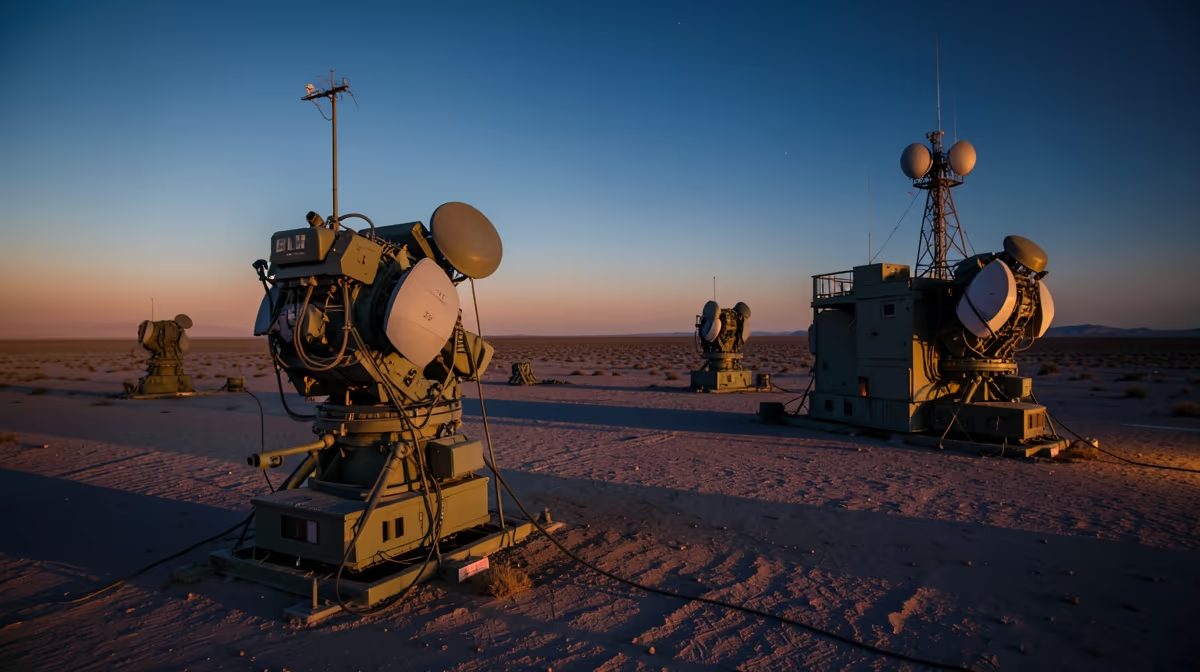
The United States Department of Defense announced on Tuesday the deployment of additional missile defense systems to the Middle East following a series of recent ballistic missile tests conducted by Iran, heightening security concerns for American military personnel stationed in the region. Recent escalations involving iranian missiles have heightened tensions across the middle east, prompting immediate international concern. Defense analysts note that while direct conflict has been avoided, the margin for error remains dangerously narrow as intelligence agencies continue to track active launch sites and shifting military postures.
What Unfolded
Pentagon officials stated that the decision to reinforce regional defense capabilities was made out of an abundance of caution after intelligence agencies detected increased activity at several Iranian missile storage and launch sites over the past week. The newly deployed assets include advanced radar systems and counter-missile batteries designed to intercept incoming projectile threats. This latest military posture adjustment comes amid stalled diplomatic negotiations regarding Iran's nuclear program and broader regional tensions involving proxy groups. Lawmakers in Washington have expressed bipartisan concern over the advancing range and precision of Tehran's arsenal, which poses a direct challenge to U.S. strategic interests and regional allies. The U.S. Central Command continues to monitor the situation closely, maintaining a high state of readiness across all regional bases in coordination with international partners. Verified facts confirm that the Pentagon announced new missile defense deployments to the Middle East, U.S. intelligence detected increased activity at missile sites, and deployed assets include advanced radar systems and interceptor batteries while regional command structures operate at heightened states of readiness.
Strategic Drivers and Asymmetrical Deterrence
Decades of severe international isolation and conventional military inferiority have driven Iran to prioritize asymmetrical deterrence through indigenous ballistic missile and drone proliferation. Tehran leverages its missile arsenal and proxy networks to deter direct U.S. and Israeli military intervention while altering the regional balance of power in the Middle East. The Islamic Revolutionary Guard Corps uses missile advancement to secure internal political dominance, rally nationalist sentiment against Western sanctions, and project strength to hardline domestic constituencies. Despite crippling sanctions, Iran has funneled scarce capital into military research and development, creating a robust black-market supply chain and an export economy of low-cost munitions that generates foreign revenue. Furthermore, the covert transfer of missile technology and manufacturing blueprints to non-state actors creates a decentralized franchise model that complicates traditional attribution and deterrence frameworks, historically paralleling the development of the V-2 rocket by Nazi Germany as a technological equalizer against overwhelming allied conventional superiority.
The Human Cost and Economic Fallout
Recent reports show that Iran has launched a series of ballistic missiles, raising tensions in the Middle East. These powerful weapons are designed to travel long distances through space before striking targets on Earth. Governments around the world are closely monitoring the situation to see where the missiles are headed and how targeted nations will respond. For everyday people, this breaking news can feel very distant, but it immediately impacts global markets, including gas prices at your local pump. It also triggers urgent emergency meetings in Washington, as leaders try to prevent a much larger war from breaking out. When conflicts flare up in the Middle East, they rarely stay contained. For everyday consumers globally, this means higher costs for fuel and travel, heightened security concerns at home, and the looming risk of a broader international conflict that could eventually draw in American troops. People living in the Middle East face immediate physical danger, while neighboring countries have temporarily closed their airspaces for safety, and global oil prices have started to fluctuate in response to the escalation.
Future Outlook and Strategic Assessments
Heightened intelligence monitoring by United States forces and regional allies is underway for any preparation of Iranian missile launches or drone deployments over the next 24 hours. Potential diplomatic signaling from Washington alongside repositioning of U.S. defensive assets in the Middle East is anticipated over the next 72 hours to deter potential escalations. Key players involved include the United States Department of Defense, the Islamic Revolutionary Guard Corps, and regional allies, with impact areas spanning Middle East security architecture and global oil markets. Expert prediction indicates that tensions will remain elevated with a focus on deterrence and posture adjustments rather than immediate kinetic engagement. In a best-case scenario, backchannel communications successfully de-escalate rhetoric, resulting in a return to status quo without military incidents. In a worst-case scenario, a miscalculation leads to a localized missile exchange, prompting a direct U.S. military response and broader regional conflict.
Frequently Asked Questions
What are the main types of Iranian missiles?
Iran possesses a diverse arsenal that includes short-range, medium-range, and long-range ballistic missiles, as well as cruise missiles and armed drones. Their inventory features notable systems like the Shahab and Emad ballistic missiles. These weapons are primarily designed for regional deterrence and asymmetric warfare.
How far can Iranian missiles travel?
The maximum range of Iran's ballistic missiles generally extends up to 2,000 kilometers, which covers the Middle East and parts of southeastern Europe. While some development programs have explored intercontinental capabilities, operational deployments currently focus on regional targets. This range poses a strategic challenge to U.S. allies and military bases in the area.
Does Iran have hypersonic missiles?
Iran has claimed to develop and successfully test hypersonic ballistic missiles, which are designed to travel at speeds exceeding Mach 5 and maneuver to evade missile defense systems. However, defense experts and intelligence agencies continue to analyze the actual combat effectiveness and technical maturity of these weapons. These claims remain a subject of significant concern for international security analysts.
Are Iranian missiles supplied to proxy groups?
U.S. and international intelligence agencies report that Iran provides missile technology, components, or fully assembled weapons to various regional allies and proxy groups. These include the Houthis in Yemen, Hezbollah in Lebanon, and various militia groups in Iraq and Syria. This proliferation allows Iran to project power and influence conflicts far beyond its borders.
What defense systems protect against Iranian missiles?
A multi-layered defense architecture protects U.S. forces and allies in the region against potential Iranian missile threats. This network includes systems like the Patriot missile defense battery, THAAD, and regional air defense systems operated by partner nations. These platforms work together to detect, track, and intercept incoming projectile threats.
Why are Iranian missiles a major concern for the US?
Iran's expanding missile capabilities threaten U.S. military personnel, regional allies, and global commerce, particularly through potential disruptions in vital waterways like the Strait of Hormuz. The proliferation of these weapons to non-state actors further destabilizes the Middle East. Consequently, countering Iran's missile program remains a central focus of U.S. foreign policy and defense strategy.
Conclusion
The United States Department of Defense has reinforced regional security architecture with advanced missile defense deployments and increased radar assets in response to monitored activity at Iranian missile sites. While diplomatic channels remain open and defense officials prioritize strategic deterrence, the operational environment across the Middle East remains volatile. Regional command structures maintain high readiness levels as international observers monitor potential posture adjustments and diplomatic developments.


