
Strait of Hormuz Tensions Escalate as US Navy Beefs Up Region Patrols
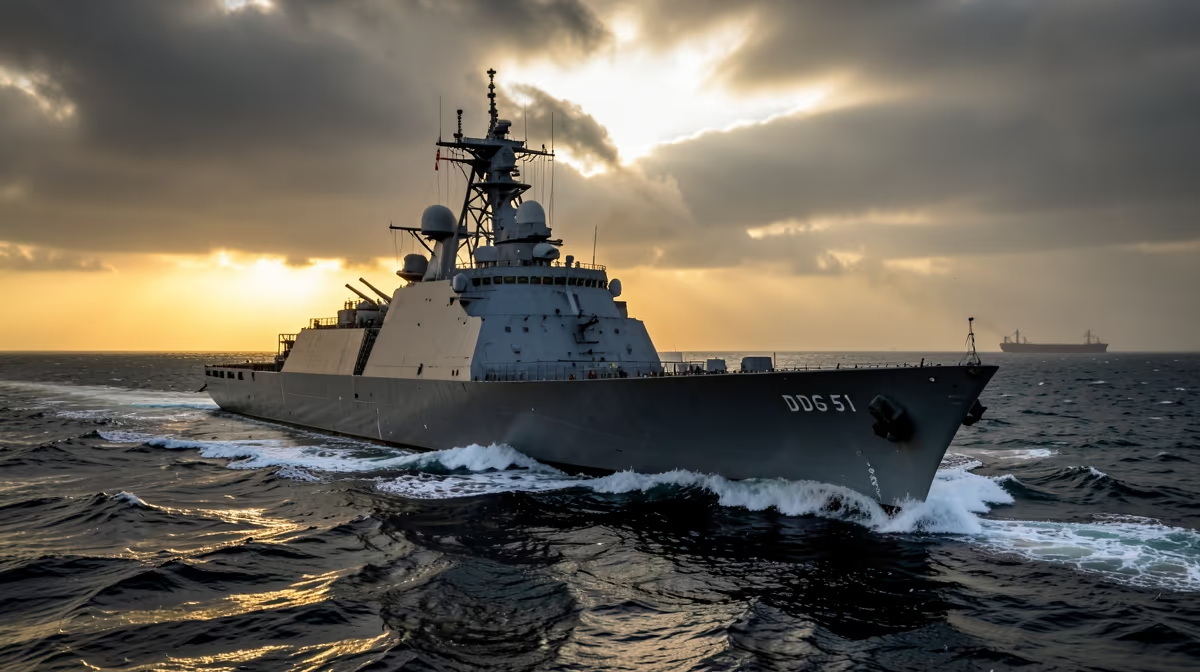
WASHINGTON — The U.S. Navy increased its presence in the strait of hormuz this week following a series of Iranian naval maneuvers that Washington characterized as aggressive and unsafe, raising tensions over vital global energy shipping lanes. Recent developments in the strait of hormuz have sparked urgent discussions following the latest us iran news regarding regional security and potential threats. The heightened military posture in the critical waterway comes amid stalled international negotiations regarding Iran's nuclear program and broader regional security concerns. U.S. Central Command reported that several Islamic Revolutionary Guard Corps Navy vessels approached international commercial traffic in an unprofessional manner, prompting intervention by American guided-missile destroyers operating in the Persian Gulf region. Defense officials emphasized that the deployment is defensive in nature, designed to reassure allies and maintain the free flow of commerce through the strait, through which approximately one-fifth of the world's petroleum passes daily. Commercial shipping lines have been advised to exercise increased vigilance when transiting the area, though no attacks or direct engagements have been reported thus far. International energy markets reacted moderately to the initial reports, but analysts warn that any sustained escalation could cause significant disruptions to global oil supplies. The Pentagon has reiterated its commitment to freedom of navigation under international law and maintains that U.S. forces will continue routine operations throughout the Middle East.
Understanding The Chokepoint
The Strait of Hormuz is a crucial narrow stretch of water located between Oman and Iran. It connects the Persian Gulf with the open ocean, serving as the main maritime highway for a huge portion of the world's oil supply. Recently, security issues in the region have raised concerns that this vital waterway could be blocked or disrupted. When security challenges arise here, countries and shipping companies watch very closely because any closure or threat to ships instantly rattles global energy markets. Even temporary disruptions can cause panic and send shockwaves through the international economy.
The geography of the region defines its strategic fragility. It is a narrow shipping chokepoint between the Persian Gulf and the Gulf of Oman. Roughly one-fifth of the world's petroleum passes through this strait daily. Iran borders the northern coast, while Oman and the United Arab Emirates border the southern coast. Military tensions and threats of closure frequently make international headlines. U.S. naval forces routinely patrol the area to keep the shipping lanes open and protect commercial traffic from interference.
Latest Updates On US Iran News In The Strait Of Hormuz
The current operational tempo reflects a rapid response by military planners. Over the next 24 hours, expectations point toward increased naval patrols and heightened readiness by the US Fifth Fleet following reported Iranian speedboat maneuvers near commercial tankers. Looking toward the next 72 hours, diplomatic messaging via backchannels is anticipated to de-escalate tensions, coupled with routine commercial shipping navigating under military escort.
Key players managing this delicate balance include the US Navy Fifth Fleet, the Islamic Revolutionary Guard Corps Navy, Oman Traffic Control, and Global Energy Traders. The primary impact areas involve Global Oil Prices, Middle East Shipping Lanes, US-Iran Diplomatic Relations, and Maritime Insurance Rates. Defense officials maintain that U.S. personnel, allies, and partners are fully protected against any destabilizing actions in these critical international waters, as stated by Pentagon Press Secretary Maj. Gen. Pat Ryder during a media briefing.
Analyzing The Threat Of An Iran Attack On Shipping Lanes
The structural root cause of these friction points lies in structural U.S. dependence on maintaining global maritime chokepoints to enforce hegemony and petrodollar dominance, colliding with regional powers seeking multipolar autonomy. From a political angle, domestic U.S. political vulnerability to fuel price inflation forces administrations to project overwhelming military deterrence, heavily influenced by defense lobbies and energy interests. Economically, any disruption threatens approximately one-fifth of global petroleum consumption, guaranteeing immediate oil shock, soaring inflation, and subsequent tightening by the Federal Reserve.
Geopolitically, the strait serves as the ultimate pressure point where asymmetric naval tactics by Iran and its allies can successfully check conventional U.S. carrier strike group dominance. A hidden angle in this dynamic is the quiet militarization of secondary overland pipelines bypassing the strait, altering long-term regional dependency and reducing vulnerability for select Gulf monarchies. This historical parallel echoes the 1980s Tanker War during the Iran-Iraq conflict, where escalating naval skirmishes drew direct U.S. military intervention to protect commercial shipping lanes. The timeline of this friction spans from the 1988 U.S. Navy sinking of an Iranian vessel during Operation Praying Mantis, through the 2019 mysterious tanker attacks and seizures, to the ongoing asymmetric deterrence, drone warfare, and heightened U.S. naval patrols safeguarding maritime traffic today.
Why This Matters To Global Markets
Because so much of the world's oil flows through this single water passage, any conflict or closure in the strait of hormuz directly threatens global energy supplies. For people in the U.S. and around the world, this translates quickly into higher prices at the gas station, increased costs for goods and travel, and broader economic instability. Everyday consumers in the U.S. and globally who buy gasoline, plastics, and goods dependent on petroleum are directly affected, alongside shipping companies, airlines, and the global economy at large.
The background context demonstrates that the strait has long been a flashpoint for geopolitical tension, particularly between the United States, its allies, and Iran, due to its unmatched strategic importance for global oil transport. Verified facts confirm that the U.S. Navy has reinforced its operational presence, Iranian Revolutionary Guard Corps vessels recently engaged in maneuvers near commercial shipping, approximately 20 percent of the world's petroleum passes through the passage, and no direct military engagements or seizures of commercial vessels have occurred during the current incident. U.S. naval assets remain repositioned in the region in response to heightened maritime interactions, and commercial shipping advisories have been updated while the full scope of Iranian intentions continues under evaluation.
Expert Outlook And Future Scenarios
Expert prediction suggests that posturing and minor harassment will continue without escalating to a direct military confrontation, as both sides wish to avoid a wider regional war. In the best-case scenario, all naval forces stand down, maritime communications are re-established, and crude oil prices stabilize. Conversely, the worst-case scenario warns that a miscalculation leads to a kinetic engagement, temporary closure of the strait, and a massive spike in global energy prices.
Frequently Asked Questions
What is the main function of the Strait of Hormuz?
It serves as the main maritime highway connecting the Persian Gulf with the open ocean, through which roughly one-fifth of the world's petroleum passes daily.
Which military forces are currently active in the area?
The US Navy Fifth Fleet and the Islamic Revolutionary Guard Corps Navy are the primary active forces operating in the strait.
How have energy markets reacted to recent tensions?
International energy markets have reacted moderately to initial reports, though analysts warn that sustained escalation could cause significant disruptions to global supplies.
Conclusion
Verified developments show that the U.S. Navy has reinforced its operational presence in the Strait of Hormuz following close maneuvers by Iranian Revolutionary Guard Corps vessels near commercial shipping lanes. While no direct military engagements or vessel seizures have occurred, naval assets remain repositioned and commercial shipping advisories have been updated. Realistic next steps involve continued high-readiness patrols by the U.S. Fifth Fleet, ongoing diplomatic backchannel communications to manage regional friction, and close monitoring of global energy markets by international traders as military escorts support transit through the chokepoint.


