
Ukraine Drone Strikes Wildberries Warehouses in Major Escalation
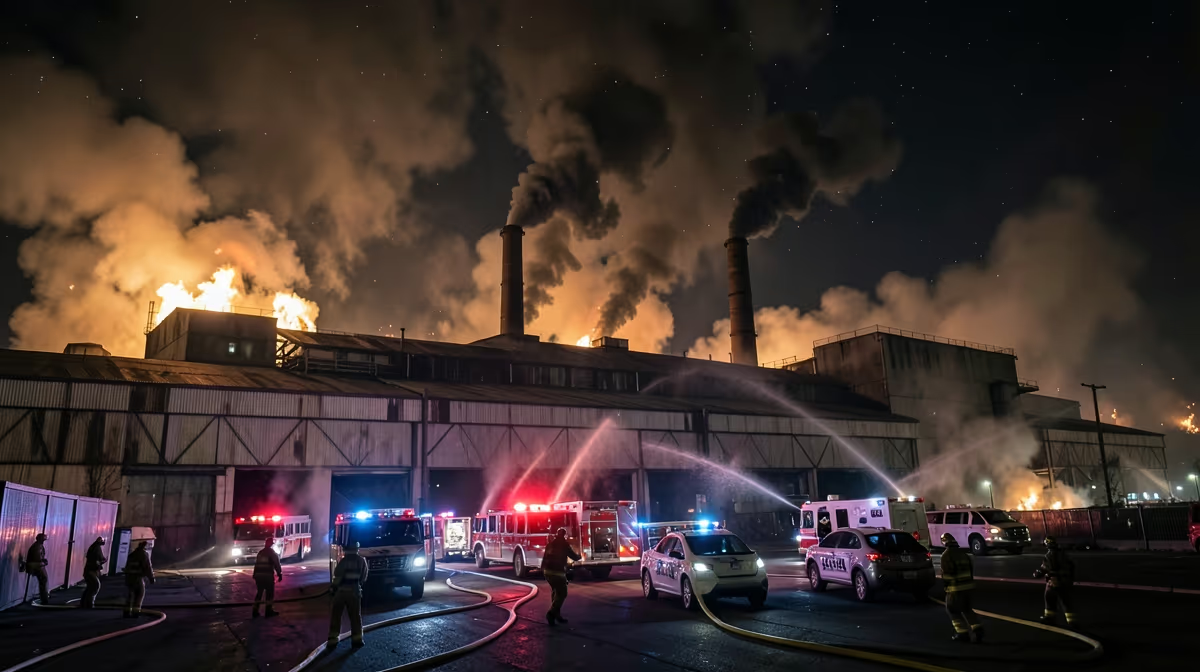
Flames tearing through massive retail distribution hubs reveal just how far deep-rear economic infrastructure has become integrated into the modern battlefield. Recent developments in the conflict show that ukraine drone strikes wildberries warehouses, marking a significant escalation in economic warfare and attacks on major Russian logistics hubs. Ukrainian long-range drone strikes targeted major distribution hubs belonging to Russian e-commerce giant Wildberries overnight, sparking massive fires and highlighting vulnerabilities in logistics infrastructure far from the frontline. The coordinated aerial attacks struck facilities located in multiple Russian regions, disrupting supply chains and causing significant structural damage to massive warehouse complexes. Emergency services rushed to the scenes as roaring blazes lit up the night skies, with firefighting units struggling to contain infernos fueled by vast quantities of consumer goods and packaging materials. Wildberries, Russia's largest online retailer, plays a critical role in the country's domestic retail economy, making its logistics network a high-profile target for asymmetric strikes aimed at impacting the Russian rear. While local authorities reported that air defense systems intercepted several incoming drones, multiple impacts successfully breached defenses, resulting in substantial economic losses and temporary delivery delays for millions of consumers across the affected districts.
The Strategic Impact of the Wildberries Logistics Attack
The targeting of major commercial logistics facilities like Wildberries marks an escalation in asymmetric warfare, testing Russia's ability to defend deep-rear economic assets alongside military targets. Ukraine has launched drone attacks targeting large warehouses belonging to Wildberries, which is Russia's biggest online retail company. These strikes are part of the ongoing conflict and are designed to disrupt the supply chains and logistical networks that support the Russian economy and war effort. Warehouses like these are crucial for storing and delivering goods across Russia. By hitting these facilities, the drone strikes aim to create shortages, cause financial damage, and bring the realities of the war closer to the Russian home front. Ukrainian defense intelligence sources indicated that logistics hubs supporting the Russian war effort remain legitimate military objectives, while Wildberries representatives assured customers that steps are being taken to reroute shipments and minimize prolonged service disruptions.
Economic Warfare Drone Strikes
The root cause of these operations stems from Ukraine's strategic shift to asymmetric economic warfare, targeting critical logistics and dual-use infrastructure deep within Russian territory to strain state finances and degrade domestic support. This strategic evolution disrupts Russia's largest e-commerce supply chain, causing massive inventory losses, localized retail paralysis, and soaring insurance and logistics costs for the domestic consumer market. Third-party vendors who rely on Wildberries for warehousing and fulfillment face severe financial losses when drone strikes destroy stored inventory. Many sellers struggle with unrecovered costs for goods that were burned or damaged before reaching customers, leading to disputes over liability and insurance payouts. Furthermore, the resulting delivery freezes temporarily halt revenue streams for thousands of small and medium-sized businesses operating on the platform.
Russian Retail Supply Chains Under Fire
The physical and operational fallout from the wildberries logistics attack has rippled through regional supply networks. Wildberries assesses structural damage and asset losses from the drone strikes, while local emergency services secure the affected logistics hubs. Russian military bloggers intensify commentary on supply chain vulnerabilities. Within seventy-two hours, Wildberries reroutes regional shipments to bypass damaged hubs, causing minor delivery delays for online orders. Ukrainian military intelligence evaluates the tactical success of targeting critical logistical infrastructure inside Russia. Russian consumers who rely on Wildberries for daily shopping, third-party merchants who sell products on the platform, and the company's management and logistics workers bear the brunt of these disruptions. In the wake of the drone strikes, Wildberries has increased security protocols across its vast network of distribution centers and invested heavily in upgraded fire suppression systems. The company is also actively decentralizing its inventory storage to minimize the financial and operational impact of potential future attacks. Additionally, management works closely with insurers and local authorities to expedite recovery and compensate affected merchants.
Geopolitical and Political Dimensions
The strikes expose the vulnerability of Kremlin-aligned oligarchs, specifically Tatiana Bakalchuk, amid corporate restructuring involving the Russ-Wildberries merger, testing state protection capabilities and elite loyalty. By escalating the cost of the war for the Russian populace, the strategy shifts the psychological burden of the conflict from the frontlines to major urban economic hubs. This approach mirrors historical parallels seen in strategic bombing campaigns aimed at breaking civilian morale and industrial capacity, adapted for the modern era of automated logistics and long-range drones. Furthermore, the weaponization of commercial fulfillment centers as potential military-industrial nodes due to their potential utilization for military logistics, parts warehousing, and drone component assembly places these corporate facilities under direct scrutiny.
Outlook and Future Scenarios
Assessing the trajectory of these operations involves balancing best and worst-case possibilities for regional stability and retail continuity. The best-case scenario involves minimal casualties with rapid logistics rerouting, preventing significant disruption to consumer retail markets and limiting retaliatory escalation. Conversely, the worst-case scenario envisions sustained drone campaigns targeting civilian commercial infrastructure leading to widespread supply chain collapse, panic buying, and increased pressure on air defense deployments. Expert consensus suggests that targeting major commercial logistics facilities like Wildberries marks an escalation in asymmetric warfare, testing Russia's ability to defend deep-rear economic assets alongside military targets.
Frequently Asked Questions
Why were Wildberries warehouses targeted by drone strikes?
Wildberries warehouses have been targeted due to suspicions or allegations that parts of their massive logistics network are utilized to support military supply chains or store dual-use goods. Ukrainian drone operations frequently target logistics hubs inside Russia that are perceived to contribute to the ongoing conflict effort. However, Wildberries operates primarily as a commercial e-commerce giant, making these strikes a subject of significant international scrutiny regarding the targeting of civilian infrastructure.
Did drone attacks cause major damage to Wildberries distribution centers?
Yes, several drone attacks have resulted in substantial structural damage and massive fires at major Wildberries storage facilities. For instance, high-profile incidents in regions like St. Petersburg destroyed hundreds of thousands of items and millions of dollars in inventory. These events severely disrupted local deliveries and highlighted the vulnerability of large-scale commercial supply chains to aerial attacks.
How do Ukrainian drone strikes on logistics hubs affect Russian consumers?
Drone strikes on major logistics operators like Wildberries directly impact millions of Russian consumers by causing widespread delivery delays, lost orders, and sudden stock shortages. Because Wildberries controls a massive share of the Russian e-commerce market, any disruption to its fulfillment centers creates immediate bottlenecks in retail supply. Consequently, everyday shoppers experience significant inconvenience as the company scrambles to reroute packages and rebuild burned facilities.
Are Wildberries warehouses considered legitimate military targets?
Ukraine and its supporters often argue that logistics networks supporting the broader Russian economy and state apparatus are fair game during wartime. Conversely, Wildberries and Russian officials maintain that these are strictly civilian commercial facilities fulfilling everyday consumer orders. This creates a contentious debate over international humanitarian law and the definition of dual-use infrastructure in modern drone warfare.
How is Wildberries responding to the drone attacks on its facilities?
In the wake of the drone strikes, Wildberries has increased security protocols across its vast network of distribution centers and invested heavily in upgraded fire suppression systems. The company is also actively decentralizing its inventory storage to minimize the financial and operational impact of potential future attacks. Additionally, management works closely with insurers and local authorities to expedite recovery and compensate affected merchants.
What impact do these warehouse strikes have on third-party sellers using Wildberries?
Third-party vendors who rely on Wildberries for warehousing and fulfillment face severe financial losses when drone strikes destroy stored inventory. Many sellers struggle with unrecovered costs for goods that were burned or damaged before reaching customers, leading to disputes over liability and insurance payouts. Furthermore, the resulting delivery freezes temporarily halt revenue streams for thousands of small and medium-sized businesses operating on the platform.
Conclusion
The verified overnight drone strikes on Wildberries logistics hubs have caused severe structural damage, inventory loss, and logistical friction within Russia's primary e-commerce network. While corporate management works to reroute regional shipments, secure damaged facilities, and compensate third-party sellers, emergency services continue to monitor structural integrity and residual risks. The ongoing assessment by intelligence analysts and supply chain operators highlights the growing intersection between commercial fulfillment infrastructure and long-range asymmetric warfare.


