
Canada Retaliatory Tariffs on US Goods Trigger Massive Trade Clash
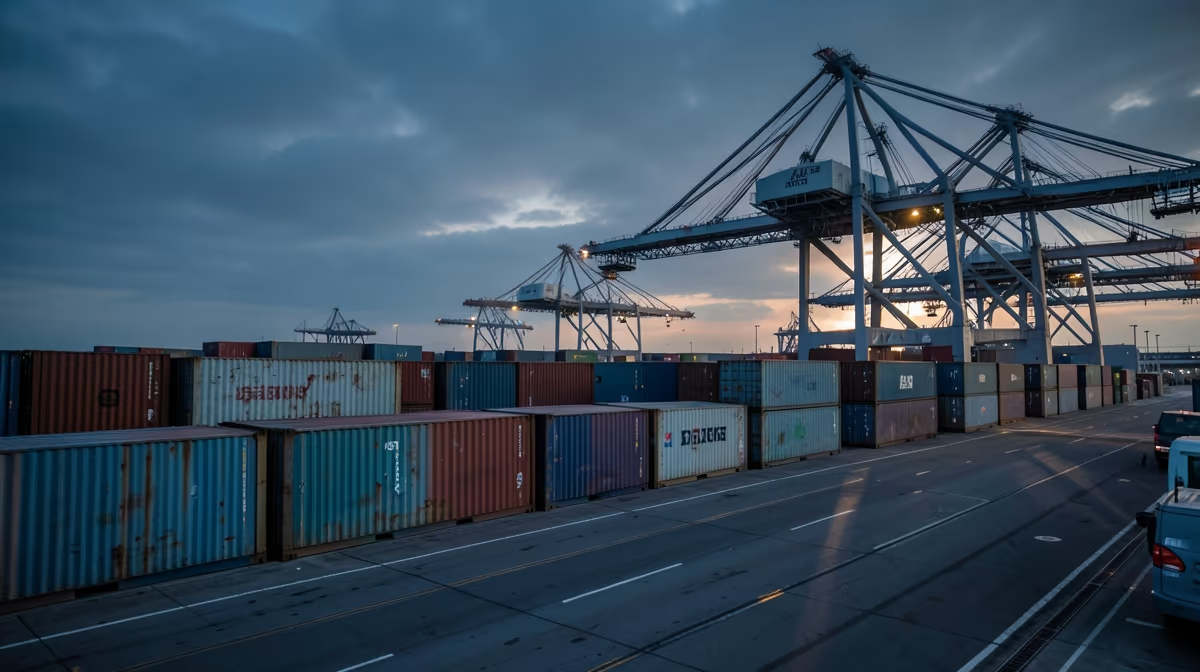
Canada retaliatory tariffs on US goods have officially taken effect, marking a significant escalation in the ongoing cross-border trade dispute. As trade relations between Ottawa and Washington face intense strain, the implementation of these measures introduces a complex new phase for North American commerce.
Canada has implemented retaliatory tariffs on United States goods valued at $20 billion as an ongoing trade dispute intensifies, according to Reuters reports from August 2026. The implementation of these substantial tariffs marks a significant escalation in trade tensions between the two neighboring nations. The measures target a broad spectrum of American goods, carrying a combined economic impact estimated at $20 billion.
Trade analysts view this move as a direct response to preceding economic policies or tariffs enacted by the United States. Such retaliatory measures typically aim to exert economic pressure to encourage a resolution or renegotiation of disputed trade terms. Businesses and supply chains on both sides of the border are currently assessing the potential disruptions and cost increases resulting from the newly imposed tariffs. Economists are closely monitoring how this escalation might influence broader North American trade relations and market pricing.
Background and Root Causes
Escalating trade tensions and protectionist measures between the United States and Canada have forced Ottawa to implement substantial countermeasures to protect domestic industries. Trade wars typically begin when nations impose tariffs to protect domestic industries from foreign competition. When one country raises barriers, affected trading partners frequently respond with their own tariffs on popular or strategic imports to level the playing field or force negotiations.
This current friction shares historical parallels with the 2018 US-Canada steel and aluminum tariff disputes and subsequent Canadian retaliatory measures under Section 232. The timeline leading up to the current situation involves the United States implementing protectionist trade measures impacting Canadian exports, followed by bilateral negotiations stalling as economic pressure mounted on Ottawa, ultimately culminating in Canada officially slapping retaliatory tariffs on US goods worth $20 billion.
Economic Fallout and Market Reactions
The imposition of $20 billion in retaliatory tariffs on US goods introduces inflationary pressures, supply chain disruptions, and increased operational costs for businesses on both sides of the border. Tariffs are essentially taxes applied to imported goods, making them more expensive for consumers and businesses in the country imposing them. By targeting American products, Canada aims to pressure the United States regarding trade policies, signaling that protectionist measures will be met with a direct response.
- Consumers, manufacturers, exporters, and importers in both Canada and the United States
- Cross-border supply chains dependent on integrated manufacturing
- Industries affected by the $20 billion tariff package assessing supply chain adjustments
Political and Geopolitical Dimensions
Canadian leadership faces intense domestic pressure to project strength against US trade policies, balancing public nationalist sentiment with the necessity of keeping North American supply chains intact. Beyond the headline-grabbing numbers, these targeted tariffs may be meticulously designed to exploit specific US congressional districts' vulnerabilities ahead of upcoming legislative cycles, weaponizing trade policy for maximum political leverage.
Geopolitically, this trade friction weakens the unified economic front of North America, potentially distracting from broader multilateral cooperation and encouraging a shift toward inward-looking economic policies globally.
Immediate Outlook and Industry Assessment
Markets and policymakers will continue to process the immediate implementation of Canada's retaliatory tariffs on US goods, with trade representatives monitoring economic fallout and potential diplomatic friction. Industries affected by the $20 billion tariff package will begin assessing supply chain adjustments, while diplomatic channels may see increased pressure to de-escalate the intensifying trade war. Analysts would likely expect further retaliatory measures or heightened trade tensions unless immediate bilateral negotiations are initiated to address the underlying disputes.
Canada retaliatory tariffs on US goods spark fresh concerns amid the ongoing US Canada trade war.
Future Scenarios
The trajectory of this cross-border trade dispute remains dependent on diplomatic engagement and potential counter-responses. The best-case scenario involves both nations swiftly agreeing to return to the negotiating table, pausing the implementation of further tariffs and establishing a framework to resolve trade grievances. Conversely, the worst-case scenario involves the trade war escalating further as the United States responds with counter-tariffs, leading to prolonged supply chain disruptions and increased costs for businesses and consumers in both countries.
Frequently Asked Questions
What happened with Canada and US tariffs recently?
Canada has imposed retaliatory tariffs on US goods valued at $20 billion as the ongoing trade war between the two nations intensifies. This move follows escalating trade tensions and previous tariff implementations by the United States.
Why are Canadian retaliatory tariffs important?
These tariffs matter because they significantly escalate trade friction between two of the world's closest economic allies and trading partners. Such measures can disrupt integrated supply chains and increase costs for businesses and consumers in both countries.
Who is affected by the Canada US trade war?
Industries, manufacturers, and consumers on both sides of the border are impacted by these escalating trade measures. Businesses that rely on cross-border supply chains may face higher operating costs and shifting market dynamics.
What happens next in the trade dispute?
Both nations may engage in further diplomatic negotiations to de-escalate the situation, or they could potentially introduce additional rounds of tariffs. Observers will be closely monitoring upcoming trade talks for any signs of a resolution.
What is the background of the Canada retaliatory tariffs?
The tariffs are part of a retaliatory cycle stemming from trade disagreements and previous US tariff policies affecting Canadian imports. Trade disputes of this scale typically develop over disagreements concerning fair trade practices and specific industrial protections.
How much are the US goods worth that face Canadian tariffs?
The US goods targeted by these recent Canadian retaliatory measures are worth approximately $20 billion. This substantial monetary figure underscores the scale of the economic response from Ottawa.
Conclusion
Canada has officially implemented retaliatory tariffs on United States goods valued at $20 billion, marking a confirmed and substantial escalation in bilateral trade friction. Government officials, trade representatives, and affected industries across both nations are now navigating the immediate economic impacts, supply chain adjustments, and potential diplomatic pathways as the situation continues to develop.


.webp)
