
Trump Iran Economic Sanctions Target China Ties in High-Stakes Move
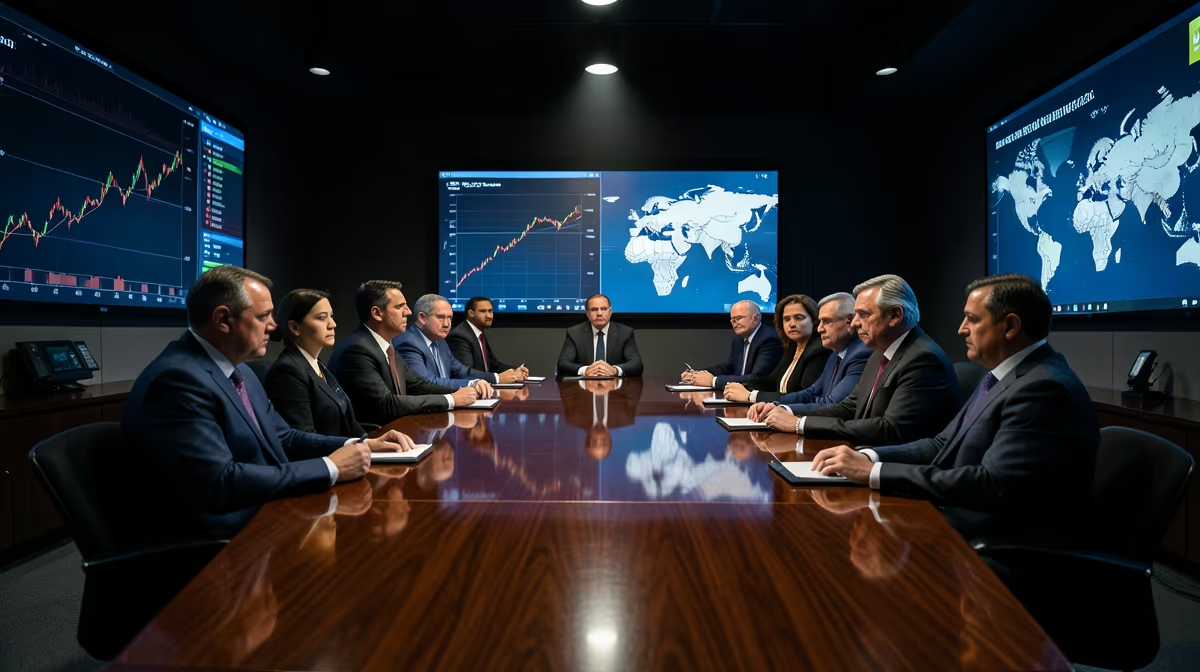
The administration is ramping up pressure with aggressive Trump Iran economic sanctions aimed at curbing Tehran's financial lifelines, while the success of these measures hinges heavily on whether Beijing chooses to cooperate. Treasury officials and administration leaders have rolled out fresh financial restrictions designed to dismantle Iran's economy and force international partners to sever commercial connections.
Operation Economic Outcast and Financial Pressures
Treasury Secretary Scott Bessent unveiled a sweeping new set of economic sanctions targeting Iran's financial networks and petroleum exports. The latest wave of warnings has served as a clear demand for international partners and financial institutions to cut their commercial ties with Tehran, creating a high-stakes environment for global trade.
- Scott Bessent unveiled a sweeping new set of economic sanctions targeting Iran
- The administration's strategy aims to severely restrict Iran's economy and financial ties globally
- The success of these strict economic measures heavily depends on China's cooperation
- China remains a crucial economic partner and major buyer for Iran
- While new sanctions were announced, officials delayed implementing the absolute toughest blows
Economic sanctions are a primary tool used by superpowers to alter the behavior of adversary nations without direct military conflict. If major global powers like China refuse to enforce or respect these financial boundaries, the impact of the sanctions is significantly watered down, testing international alliances and global trade rules.
The Geopolitical Pivot on China Cooperation
Implementing a total economic blockade faces a major geopolitical hurdle centered on Beijing. Tehran's ability to withstand these financial shocks depends on whether China continues its trade and economic cooperation with the Iranian government, complicating Washington's broader strategic goals.
The structural reliance of Iran's economy on petroleum exports and foreign buyers, particularly China, creates a critical chokepoint that US administrations seek to exploit through maximum pressure campaigns. The effectiveness of Washington's economic D-Day strategy hinges fundamentally on Beijing's willingness to comply with secondary tariffs and financial restrictions, turning bilateral US-China trade dynamics into a proxy struggle over Middle Eastern energy flows.
Even as the sweeping package was unveiled, officials opted to delay some of the most aggressive economic blows available to them. This measured approach suggests a desire to keep diplomatic pathways open or to gauge the immediate market and international reactions before escalating further, serving as a potential diplomatic bargaining chip behind closed doors.
Strategic Delays and Calibrated Enforcement
Financial markets and global policymakers continue evaluating the sweeping new Iran sanctions while assessing the immediate implications of delayed harsher punitive measures. The administration faces domestic pressure to project strength against Iran while balancing the risk of inflationary shocks or escalation that could fracture international coalitions.
- US officials issue sweeping economic D-Day warnings demanding nations sever financial ties with Iran
- Treasury Secretary Scott Bessent unveils new broad Iran sanctions while strategically delaying the most punitive measures
- Global markets monitor Beijing's response to determine whether enforcement mechanisms will successfully choke off Iranian oil exports
Analysts expect heightened diplomatic tensions as the US pressures international trade partners to choose between financial cooperation with Washington or maintaining economic ties with Tehran. International businesses trading in the region, US policymakers, and Chinese commercial and governmental entities remain directly affected by these developments.
The administration's attempt to strangle Iran's economy through sweeping new financial restrictions and secondary pressures fundamentally depends on whether Beijing complies with US demands to sever commercial ties.
Frequently Asked Questions
What are Trump's new economic sanctions on Iran?
Treasury Secretary Scott Bessent unveiled sweeping new economic sanctions targeting Iran's financial networks. However, the administration has initially delayed the toughest blows of these measures to allow room for diplomatic pressure.
Why does Trump's economic strategy against Iran depend on China?
Trump's attempt to strangle Iran's economy heavily relies on whether Beijing cooperates by cutting off financial and trade ties. Without China complying with these financial warnings, circumventing the restrictions becomes much easier for Tehran.
What is meant by Trump's economic D-Day threats?
The administration's threats have evolved into strict warnings urging global nations to completely sever financial ties with Iran. Countries that continue doing business risk facing severe secondary penalties from Washington.
Who is most affected by these newly unveiled sanctions?
Iran's broader economy and financial sectors bear the immediate brunt of these sweeping measures. Additionally, international entities and nations trading with Iran face growing pressure to comply or risk punitive US actions.
What happens next regarding the delayed toughest sanctions?
While initial penalties have been introduced, the administration has held back on implementing the most aggressive economic blows. Future escalation likely depends on Iran's behavior and the extent of cooperation from international partners like China.
What role does Scott Bessent play in these Iran sanctions?
Scott Bessent is the official who formally unveiled the sweeping new set of financial restrictions against Iran. His approach balances aggressive economic messaging with strategic delays on the heaviest sanctions.
Conclusion
The Trump administration has officially introduced sweeping new economic sanctions targeting Iran, led by Treasury warnings and strategic delays on the harshest punitive measures. The overall success of this maximum pressure campaign remains tied to international cooperation, particularly whether China chooses to comply with financial restrictions or maintain its trade ties with Tehran. Financial markets, global policymakers, and trade analysts will continue monitoring international reactions and enforcement mechanisms as the situation develops.


.webp)
