
Global Diesel Shortage Extends Into 2027 Threatening Supply Chains
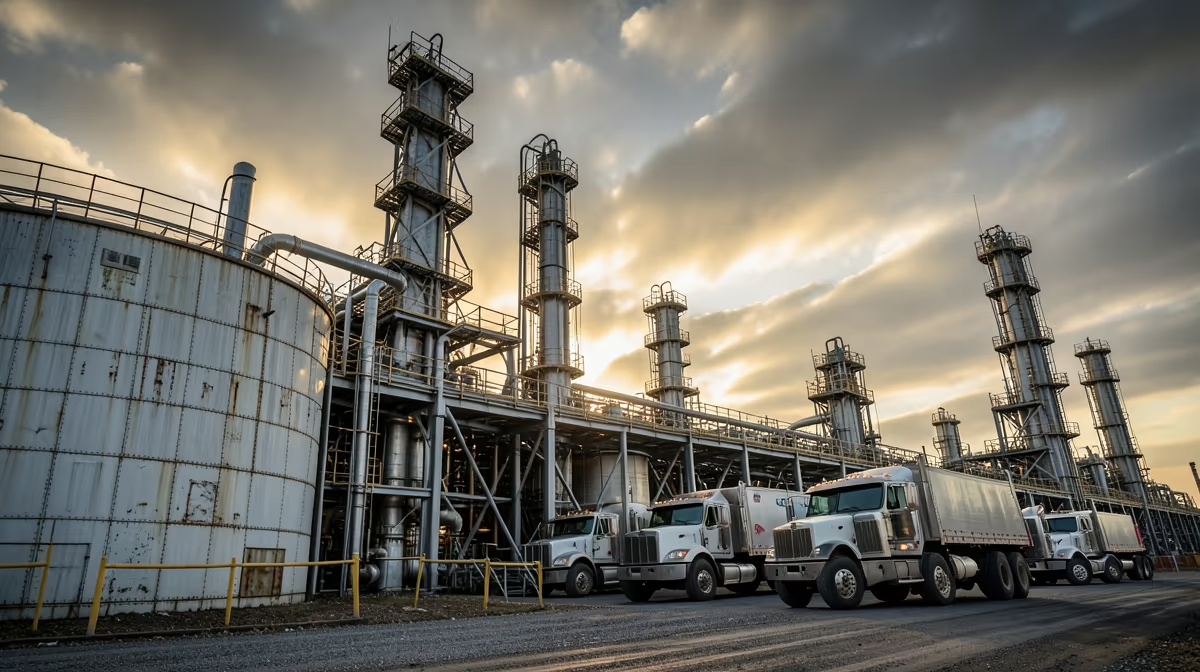
The engine of the global economy is running on fumes, and the reservoir levels show no signs of a quick recovery. Analysts warn that the global diesel shortage 2027 timeline is becoming increasingly likely as structural supply issues persist across international markets. This crisis represents a compounding convergence of geopolitical conflicts degrading refining capacity and a surging industrial demand that has rapidly depleted global storage tanks. As these tanks drain, the financial strain is rippling across sectors that keep the modern world functioning, from the tractors in the American Midwest to the cargo ships crossing the Atlantic.
The focus on consumer gasoline prices often masks a far more fragile distillate inventory crisis, where prolonged diesel deficits risk cascading into broader global food supply chain failures through 2027.
The Distillate Inventory Crisis and Structural Strains
The current supply crunch is not a temporary fluke of the market but rather a structural deficit that experts believe will define energy markets for the next several years. Global diesel supplies have tightened significantly, leading to rapidly draining storage tanks and soaring refinery profits. This is a distillate inventory crisis where the demand for diesel, which powers heavy machinery and freight, is outstripping the world’s ability to refine and store it.
Unlike gasoline, which primarily fuels personal transportation, diesel is the lifeblood of the global economy. It is essential for heavy-duty commercial transport, public transit, and the agricultural equipment required to grow food and build infrastructure. When supplies dwindle, the cost of moving goods rises sharply, ultimately driving up inflation and everyday expenses for consumers worldwide. The current market imbalance shows little sign of easing, as the amount of fuel being produced cannot keep pace with the needs of the agricultural and logistics industries.
Economic Friction: Big Ag vs. Big Oil
One of the most intense battles currently unfolding is the policy friction between the agricultural sector and the energy industry. Record diesel prices are impacting agricultural leaders and creating political friction in the United States, particularly in the heartland. This has led to a direct "head-to-head" confrontation between Big Ag and Big Oil over potential diesel export bans.
National farm leaders are grappling with the soaring costs of powering their operations, and they are increasingly vocal about the need for domestic protection. The debate centers on whether the U.S. should restrict diesel exports to ensure domestic supply and lower prices for American farmers. However, oil refineries argue that such bans could disrupt global markets even further and impact their current booming profit margins. This struggle pits two of the most powerful lobbies in Washington against each other as they vie for influence over energy policy.
The Impact on the American Heartland
- National farm leaders are reporting record-high fuel expenses required to run heavy machinery.
- High diesel prices are threatening the daily operations of family farms and large-scale agricultural enterprises.
- Political figures in farming regions, such as Iowa, are feeling mounting pressure as constituents struggle with the economic fallout.
- Discussions regarding export restrictions are intensifying as a potential emergency measure to stabilize the volatile fuel market.
The Political Dimension and the Iowa Panic
The diesel crisis has moved beyond the commodity pits and into the realm of electoral optics. Soaring diesel and fuel prices are triggering intense domestic panic and pressure for incumbent politicians. This has created severe vulnerabilities for the GOP in agricultural strongholds like Iowa, where farmers are facing punishing operating costs that threaten their livelihoods.
The situation in Iowa is being described as a "diesel-powered panic," as Republican leaders realize that the price at the pump for farm equipment could influence the political landscape. National farm leaders are vocalizing their frustration, forcing political stakeholders to consider emergency policy responses or export restrictions that were once considered extreme. The ability of politicians to address this fuel squeeze may become a defining issue in upcoming political cycles, as the agricultural sector demands relief from the worldwide energy crisis update.
Geopolitical Conflicts and Refining Capacity
The global diesel shortage is being exacerbated by targeted strikes on energy infrastructure in key exporting nations. Geopolitical conflicts, including attacks on Russian oil refineries, have severely impacted refinery outputs and disrupted the international flow of finished products. These disruptions have directly contributed to U.S. diesel pricing hitting record levels.
The situation has become so dire that major political figures, including Donald Trump, have urged a halt to certain refinery strikes. The argument is that "knocking out" Russian refineries, while a strategic military move, has the unintended consequence of driving global diesel prices to record highs and destabilizing Western economies. This creates a complex geopolitical paradox where military objectives clash directly with economic stability and energy security.
A Chronology of Market Destabilization
| Timeframe | Key Development |
|---|---|
| September 2026 | U.S. diesel prices hit record highs amid refinery attacks and depleting global storage tanks. |
| Late 2026 | Intensifying political friction between agricultural lobbies and oil exporters over potential export restrictions. |
| Into 2027 | Projected continuation of the global diesel shortage as depleted storage tanks struggle to recover. |
Refinery Profits Amidst Global Scarcity
While farmers and truck drivers struggle, the refining sector is seeing a different side of the crisis. Global disruptions have resulted in booming refinery profits, as the remaining operational facilities capitalize on the oil refineries capacity crunch. Because the supply of refined distillates is so low, the margins for processing crude oil into diesel have skyrocketed.
This disparity—record profits for oil companies while agricultural and logistics sectors face financial ruin—is driving much of the current political anger. Refiners argue that high profits are necessary to incentivize the continued operation of aging infrastructure and to manage the risks associated with volatile global markets. However, for those paying the record-high prices, these profits are seen as a symptom of a broken energy system that prioritizes exports over domestic stability.
The Global Outlook: Looking Toward 2027
As we look toward the future, the outlook remains tight. Analysts expect elevated diesel prices and tight global supplies to persist well into 2027 unless significant disruptions to refining capacity abate and storage inventory levels begin to recover. The refining margins impact will continue to be a primary driver of market volatility.
The 1973 oil crisis serves as a historical parallel, where geopolitical conflicts severely constricted fuel supply chains, triggered widespread panic, and forced governments into emergency market interventions.
In the next 24 to 72 hours, markets and agricultural sectors will continue to grapple with record prices and draining storage tanks. Policymakers and energy analysts are expected to face mounting pressure to intervene, potentially pushing political stakeholders toward emergency policy responses or export restrictions as the shortage severely impacts farming operations.
Expert Future Scenarios
- Best-Case Scenario: Refinery output stabilizes and international disruptions ease, allowing storage tanks to gradually replenish and bringing relief to prices before peak agricultural demand cycles.
- Worst-Case Scenario: Continued attacks on energy infrastructure exacerbate the shortage, driving export bans and severe fuel scarcity that cripples agricultural operations and sparks broader economic inflation.
- Realistic Expectation: A prolonged market imbalance characterized by volatile prices and low inventories that persist until at least 2027, forcing industries to adapt to higher baseline energy costs.
Frequently Asked Questions
What is causing the ongoing global diesel shortage?
The prolonged diesel shortage is primarily driven by dwindling storage tanks and significant global disruptions, including attacks on major energy infrastructure. These factors have severely constrained fuel supplies worldwide.
Why is the global diesel shortage expected to last into 2027?
Storage tanks continue to drain at an alarming rate while refinery capacity struggles to keep pace with demand. Because structural supply chain and geopolitical disruptions show no immediate signs of resolving, market analysts predict tight conditions will persist into 2027.
Who is most affected by high diesel prices and shortages?
Agricultural sectors and logistics industries are bearing the brunt of the crisis, facing record-high fuel costs that threaten daily operations. Political figures in farming regions, such as Iowa, are also feeling mounting pressure as constituents struggle with the economic fallout.
How are record diesel prices impacting the agricultural industry?
Farmers and national agricultural leaders are facing severe financial strain due to soaring fuel expenses required to run heavy machinery and transport goods. This has triggered intense policy debates, including political clashes over potential diesel export bans.
What happens next as refinery profits boom amid shortages?
Global disruptions have led to booming profits for refineries even as consumers and industries grapple with steep prices. Moving forward, policymakers and industry leaders will continue debating export restrictions and measures to stabilize the volatile fuel market.
How have geopolitical conflicts impacted U.S. and global diesel levels?
Ongoing military conflicts, such as attacks on Russian oil refineries, have disrupted international fuel production and driven U.S. diesel prices to record levels. Political figures have even urged halts to certain refinery strikes in an effort to mitigate the escalating global energy crunch.
Conclusion
The projected global diesel shortage through 2027 highlights a critical vulnerability in the international energy infrastructure. With storage tanks continuing to drain and geopolitical tensions disrupting refinery outputs, the pressure on agricultural and logistics sectors is unlikely to subside in the near term. Record refinery profits coexist with economic panic in the American heartland, creating a volatile political environment where export bans and emergency interventions are no longer off the table. As the global economy navigates this period of distillate scarcity, the focus will remain on whether refining capacity can recover fast enough to prevent a broader collapse of food supply chains and industrial stability. Realistic next steps involve intense policy debates over fuel exports and a continued focus on protecting energy infrastructure from further disruptions.
Sources
- Big Ag and Big Oil go head-to-head over diesel export ban — Politico
- How a national farm leader is dealing with record diesel prices — npr.org
- Global disruptions mean booming refinery profits — Axios
- A diesel-powered panic for GOP in Iowa — The Hill
- Global diesel shortage likely to last into 2027 as storage tanks drain — Reuters
- Trump urges Ukraine to stop ‘knocking out’ Russian oil refineries as U.S. diesel hits record — CNBC


.webp)


